
Food's Impact on Blood Sugar
For individuals managing diabetes, understanding how food affects blood sugar is paramount. Certain foods can trigger rapid increases in blood glucose,
while others have a more gradual impact. Foods rich in carbohydrates, particularly refined ones, tend to cause the most significant spikes. When these are consumed, the body quickly breaks them down into glucose, leading to elevated blood sugar levels. Protein and fats, on the other hand, have a slower impact, and sometimes, can even help to moderate blood sugar rises. It is crucial to be aware of the glycemic index (GI) and glycemic load (GL) of various foods, as these help measure how quickly and how much a food raises blood sugar levels. A strategic approach to eating involves carefully selecting foods with a low GI and GL to help regulate blood glucose. This involves making informed decisions about each meal to support overall health and well-being in managing the disease.
Foods To Limit
Certain foods should be consumed sparingly or avoided altogether to maintain stable blood sugar levels. Refined carbohydrates, such as white bread, pastries, and sugary cereals, are quickly converted into glucose. Consuming these foods can lead to significant blood sugar spikes. Beverages such as sugary soft drinks, fruit juices, and sweetened teas are also problematic due to their high sugar content. Processed foods, often packed with added sugars, trans fats, and sodium, can contribute to insulin resistance and weight gain, both of which worsen diabetes management. Finally, highly processed snacks like chips, cookies, and candies offer little nutritional value and can lead to increased blood sugar. Carefully reading food labels, identifying hidden sugars, and preparing meals at home can help minimize the consumption of these detrimental foods, thus supporting the body's optimal function.
Foods to Embrace
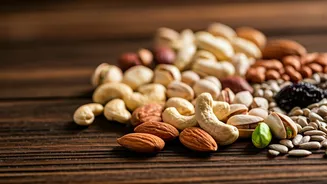
Incorporating certain foods into the diet can help regulate blood sugar levels. Non-starchy vegetables, such as leafy greens, broccoli, and cauliflower, are low in carbohydrates and rich in fiber, which aids in slowing down glucose absorption. Lean proteins, including fish, poultry, beans, and tofu, have minimal impact on blood sugar and can contribute to satiety. Whole grains like brown rice, quinoa, and oats, which have a lower GI, offer sustained energy release and provide essential nutrients. Healthy fats, such as those found in avocados, nuts, and olive oil, are beneficial for heart health and can promote insulin sensitivity. Incorporating these foods into daily meals can support better blood sugar management, improve overall health, and promote sustained energy. Making informed choices about the food consumed daily is a proactive step in diabetes care and promoting a better quality of life.
Balanced Diet for Diabetics
A balanced diet is key for people with diabetes. Meals should be a combination of carbohydrates, proteins, and healthy fats, with an emphasis on nutrient-dense foods. Portion control is essential to manage blood sugar levels and prevent overeating. A plate might include a portion of lean protein, non-starchy vegetables, and a serving of whole grains. Regular mealtimes and consistent carbohydrate intake help prevent drastic blood sugar fluctuations. It’s also important to stay hydrated by drinking plenty of water throughout the day. The diet should be tailored to individual needs, considering factors like activity levels, medications, and any other health conditions. Consulting a registered dietitian or certified diabetes educator can provide personalized dietary advice, helping individuals to create a sustainable and effective eating plan that complements their diabetes management strategy.