






A Difficult Diagnosis
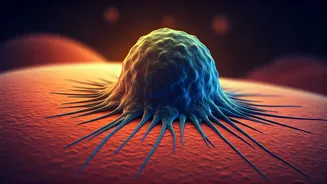
In 2018, actor Sonali Bendre received a life-altering diagnosis of stage four metastatic cancer, initiating an arduous journey through intensive treatment
in New York, which included chemotherapy and surgery. Emerging from this period with renewed strength, Bendre has since dedicated herself to raising awareness about the illness. She often attributes her resilience during this difficult time to a robust support system, noting that her public profile allowed her to foster more open dialogue about a topic that was, at the time, largely considered a taboo. Many people were hesitant to even name the disease, referring to it euphemistically as 'the C disease,' a silence that Bendre found lacking when she most needed information and support. Her experience underscored a significant gap in public understanding and open discussion surrounding cancer.
The Power of Timely Detection
Reflecting on her personal experience, Sonali Bendre candidly shared that her cancer did not necessarily need to reach stage four. She strongly believes that had the disease been identified and detected at an earlier stage, the extensive and grueling hardship she endured could have been significantly mitigated. This realization has become a cornerstone of her advocacy, as she emphasizes that cancer, when caught in its nascent stages, is a treatable condition and certainly not an automatic death sentence. Her narrative serves as a powerful testament to the profound impact of proactive health monitoring and the critical importance of seeking medical attention promptly for any health concerns, as timely intervention can dramatically alter treatment outcomes and personal experiences.
Championing Awareness
Sonali Bendre recognized the unique advantage of her public platform, leveraging it to initiate and propel a much-needed conversation about cancer. She observed a palpable shift in public discourse and awareness surrounding the disease over the past seven years. Bendre expresses deep satisfaction with the current climate, noting that people are now far more open in discussing cancer and are more inclined to undergo regular screenings. She views this evolution as a significant positive contribution, stating it feels like the most impactful thing she has accomplished. Her personal journey, she feels, has played a role in encouraging more individuals to prioritize early detection and to approach their health with greater vigilance and openness.