





The Wedding Rush
The fervor for Indian weddings, a time for meticulous presentation, is driving a trend where individuals, both men and women, are seeking rapid aesthetic
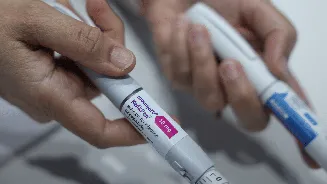
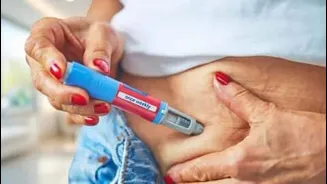
enhancements. Leading up to wedding ceremonies and while searching for suitable life partners, a growing number of young people are opting for powerful weight-reduction therapies. These treatments, frequently involving injections like tirzepatide or semaglutide, are becoming the go-to choice for those aiming to shed pounds quickly. In some instances, these pharmacological interventions are even combined with targeted liposuction procedures to sculpt specific body areas, reflecting a comprehensive approach to achieving a desired physique before significant life events.
Facial Rejuvenation Needs
The impact of these potent weight-loss drugs on facial appearance is a significant concern for medical practitioners. One concerning case involved a young woman in healthcare who, after several months of treatment with these medications, experienced a substantial body weight reduction of approximately 20 percent. While her goal was to look her best for her wedding day, the unintended consequence was a dramatic loss of facial fat and muscle. This led to her face appearing gaunt and significantly older than her actual age of thirty. Consequently, she required further aesthetic interventions, including skin tightening treatments augmented with fat and stem cell injections, to restore a more youthful and natural facial volume and structure.
Understanding the Risks
While the efficacy of these medications in promoting weight loss is undeniable, medical experts emphasize the critical need for patients to be fully aware of potential adverse effects. Beyond the intended fat reduction, these treatments can also lead to a discernible loss of muscle mass, not just in the body but also in the face. This phenomenon, often referred to as 'Ozempic Face,' is characterized by an excessive depletion of facial fat and musculature, resulting in an aged and hollowed appearance. Doctors are urging caution, highlighting that numerous patients have required treatment for this specific issue, and reiterating that a thorough understanding of all potential side effects is paramount before embarking on such therapeutic regimens.
Medical Supervision is Key
The popularity of these GLP-1 receptor agonist drugs has surged in recent months, particularly among individuals gearing up for marriage. Many patients are actively seeking these medications for noticeable weight reduction, with requests often coming from those preparing for their weddings within a three to four-month window. Dermatologists stress that these powerful drugs should only be administered and managed under strict medical supervision. The widespread visibility and perceived benefits of these medicines are often amplified through advertisements and promotional campaigns, leading to increased public awareness. This accessibility, however, also fuels concerns about potential misuse and self-medication, which can be detrimental.
Combating Misuse
The growing awareness and demand for weight-loss medications are significantly influenced by pervasive advertising and promotional efforts. This has led to a surge in inquiries, not only from patients directly but also from their family members and friends, seeking more information. While these medications can be transformative, the potential for misuse and self-medication poses a considerable risk. Recognizing this challenge, the government in India has implemented new regulations aimed at preventing the improper use of these drugs and discouraging self-prescription, underscoring the importance of controlled access and professional guidance for patient safety.