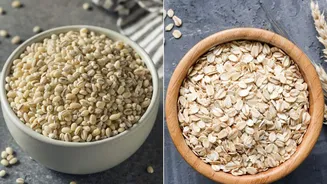







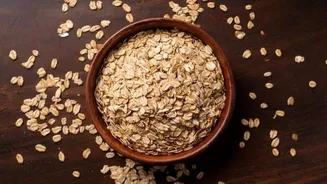
The Mighty Oat's Appeal
Oats have rightfully earned their reputation as a health staple, primarily due to their abundant soluble fiber, specifically beta-glucan. This remarkable
compound plays a significant role in slowing down the digestive process, which in turn contributes to a reduction in overall cholesterol levels over time, making them a frequent recommendation for promoting cardiovascular well-being. Experts note that the extent of this cholesterol-lowering effect can indeed be influenced by how oats are prepared and consumed, as well as an individual's unique physiological response. Beyond heart health, the high fiber content in oats contributes to a prolonged feeling of fullness, which can be instrumental in managing appetite and supporting weight management goals. This makes them a compelling choice for those looking to enhance their diet with a nutrient-dense and satiating food, provided they are consumed thoughtfully and as part of a broader dietary pattern.
The Sugar Spike Concern
A critical aspect often overlooked is the differential impact of various oat preparations on blood glucose levels. Instant oats, due to their more refined processing, are digested rapidly, leading to a swift elevation in blood sugar. This can be particularly problematic for individuals managing conditions like diabetes or insulin resistance, where maintaining stable glucose levels is paramount. Flavored or instant varieties often come laden with added sugars and undergo extensive processing, exacerbating the potential for sharp blood sugar spikes. In contrast, less processed forms such as steel-cut or rolled oats offer a slower digestive pathway, resulting in a more gradual and manageable rise in blood sugar, making them a preferable choice for most consumers seeking sustained energy release and better glycemic control.
Digestive and Nutrient Traps
While fiber is a cornerstone of oat's health benefits, a sudden or excessive increase in fiber intake can lead to unwelcome digestive disturbances for some. Symptoms such as bloating, gas, and stomach discomfort can manifest, especially when oats are introduced rapidly into the diet without gradual acclimatization. Furthermore, oats contain naturally occurring compounds known as phytates. These substances have the potential to bind with essential minerals like iron and zinc, thereby hindering their absorption by the body. While this doesn't render oats unhealthy, consuming them in very large quantities daily without dietary diversification could potentially impact the body's ability to absorb these vital micronutrients. Therefore, a varied and balanced dietary approach remains the most prudent strategy for overall health.
Who Should Be Wary?
Despite being naturally gluten-free, oats are not universally safe for everyone. A significant concern arises from the common practice of processing oats in facilities that also handle wheat, leading to potential cross-contamination with gluten. This poses a considerable risk for individuals with celiac disease or gluten sensitivities, as even minute traces of gluten can trigger adverse reactions. Beyond those with gluten-related issues, caution is advised for individuals experiencing sensitive digestion, those whose blood sugar levels are not well-controlled, and anyone who has become overly reliant on oats as their primary food source. Ultimately, recognizing individual health needs and achieving a balance in dietary choices, rather than adhering strictly to popular food trends, is key to maximizing health benefits.