






Basil's Clove-Like Scent
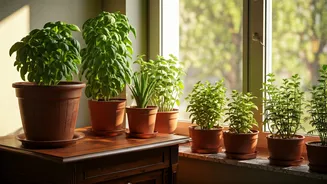
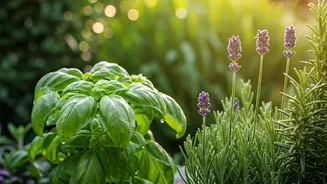
Basil, a staple in Indian kitchens, possesses a distinct fragrance reminiscent of cloves, which acts as a powerful deterrent for lizards. This aromatic
herb, thriving in sunny conditions and frequently used in curries, is surprisingly effective at repelling these unwelcome visitors. Its strong scent is enough to make lizards retreat, offering a chemical-free way to keep them out. Incorporating basil into your home, perhaps on windowsills or near doorways, not only adds to your culinary repertoire but also provides a natural barrier against lizards, aligning perfectly with a green approach to home pest management, especially in humid Indian environments where lizards are common.
Garlic's Sulfur Power
Garlic is renowned for its potent sulfurous aroma, a smell that lizards find highly unpleasant, making it a time-tested natural repellent. Some experts advocate for its use in discouraging lizards from your living spaces. To implement this strategy, you can plant garlic cloves around plant pots or create decorative garlic braids to hang near entryways and windows. This method is not only effective but also incredibly easy to maintain, as garlic can be grown year-round. By cultivating your own garlic, you ensure a continuous supply for both your cooking needs and your pest control efforts, offering a cost-effective and organic solution that integrates seamlessly into household practices.
Lemongrass Citrus Shield
Lemongrass emits a robust citrus scent that lizards actively avoid, creating an invisible barrier around your home. While the fragrance is pleasing to humans, it's overwhelmingly strong for lizards, effectively keeping them at bay. The best placement for lemongrass is near doors and other entry points, acting as a primary defense. Alternatively, its essential oil can be diluted and sprayed in areas where lizards are frequently seen. Lemongrass flourishes in moist, warm conditions, common in India, and its edible nature makes it a dual-purpose plant. It's a great addition to any garden seeking to naturally ward off lizards.
Marigold's Pyrethrin Punch
Marigolds, with their vibrant hues, are more than just ornamental; they contain pyrethrin, a natural compound that is a potent insect and lizard repellent. The bright colors of these flowers can liven up your space, while their natural properties provide protection. Planting marigolds along garden borders or on window sills offers a beautiful yet functional defense against pests. They are particularly well-suited for Indian celebrations, adding festive color while simultaneously acting as a protective shield. These cheerful blooms serve as excellent deterrents, making them a practical choice for keeping unwanted creatures away from your home.
Lavender's Soothing Repellent
The distinct and potent fragrance of lavender is quite effective at driving lizards away. This aromatic bloom, originally from the Mediterranean, is not favored by lizards or many common insects due to its strong scent. You can utilize lavender by spraying a diluted form of its essential oil around your home or by planting it in a sunny spot. Its ability to thrive indoors with minimal fuss makes it an excellent choice for Indian homes, even those with limited outdoor space. Planting lavender can contribute to peaceful nights, free from the annoyance of scurrying lizards.
Eucalyptus's Aromatic Oils
Eucalyptus leaves are rich in aromatic oils that secrete a potent smell, which lizards find extremely disagreeable. This strong scent is as off-putting to lizards as it is to many insects. For optimal results, position potted eucalyptus plants, known locally as Nilgiri, near doorways and other entry points. This plant, which originated in Australia, prefers light and thrives well on balconies, making it suitable for many Indian homes. Incorporating eucalyptus into your home's layout can help create a lizard-free sanctuary, enhancing your living environment.
Rosemary's Pungent Defense
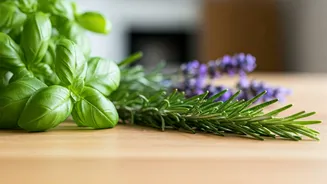
Rosemary's sharp and pungent aroma acts as a natural repellent, effectively guiding house lizards away from your plants and home. This European herb has a fragrance that deters lizards, keeping them from entering your living spaces. Rosemary prefers temperatures above 10°C, making it ideal for cultivation during cooler periods or in sheltered spots. Beyond its repellent qualities, rosemary can be used in cooking or blended into sprays for wider application. It not only keeps lizards at bay but also adds a pleasant fragrance to your garden, offering a chemical-free solution for pest management.
Peppermint's Minty Blast
The sharp, invigorating scent of peppermint is known to overwhelm the sensitive olfactory senses of lizards, causing them to quickly retreat. Scientific studies suggest that this strong aroma disrupts their comfort and sense of security. To use peppermint effectively, plant it in pots placed on windowsills or mix crushed leaves into water to create a spray for entry points. This European native plant adapts well to indoor environments with partial sunlight and even doubles as a repellent for spiders. Peppermint offers a refreshing way to maintain a clean home while effectively deterring unwanted lizard visitors.