







A Dietary Revelation
Actor Karan Wahi, known for his roles in popular shows, recently shared a personal health revelation on a YouTube channel. For the past 2.5 to 3 months,
he has entirely given up non-vegetarian food, a decision that stemmed not from a planned lifestyle change, but from a personal struggle with skin issues. Wahi, who is 39 years old, had been battling persistent skin allergies for approximately 4 to 5 years. He described his condition as a peculiar dryness that affected him from the waist down, including his hands and legs. Even minor scratching would lead to skin peeling, a concerning issue given his naturally thin skin. The actor recounted a distressing experience where red spots would appear, sometimes leaving his bedsheets stained with blood upon waking, highlighting the severity of his ailment and the fear it instilled.
The Vegetarian Cure
The turning point for Karan Wahi's skin condition was his decision to eliminate non-vegetarian food from his diet. He stated that this dietary shift has been instrumental in resolving his skin issues, which had plagued him for nearly half a decade. Since making this change about 2.5 to 3 months ago, Wahi has observed a significant improvement, noting that his skin has finally returned to normal. This outcome has been a major relief for him, and he expressed a genuine lack of desire to return to his previous eating habits. He humorously remarked on his new culinary preferences, mentioning, 'Now, I don’t eat biryani…I eat pulao,' indicating a subtle but meaningful alteration in his meal choices. This personal success story underscores the profound impact that dietary adjustments can have on overall health, particularly concerning persistent and hard-to-treat skin conditions.
Expert Dietary Insights
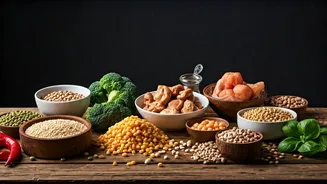
To understand the potential connection between non-vegetarian food consumption and skin problems, Dr. Ajay Dodeja, a junior consultant in dermatology at KIMS Hospitals in Thane, offered his expert opinion. He suggests that for some individuals, reducing or eliminating non-vegetarian food, especially processed meats, fried items, or high-saturated fat meals, can indeed lead to improvements. These dietary patterns can promote inflammation within the body, which may manifest on the skin as acne, a dull complexion, or breakouts. Conversely, when individuals adopt a more plant-based diet, they tend to increase their intake of fruits, vegetables, whole grains, nuts, and seeds. These nutrient-rich foods are packed with antioxidants and vitamins that are highly beneficial for maintaining healthy skin. Dr. Dodeja's perspective highlights that the quality of food, preparation methods, portion control, and overall dietary balance are more crucial than simply labeling a diet as vegetarian or non-vegetarian.
Beyond Elimination
Dr. Dodeja clarified that the positive effects observed might not solely be due to the elimination of non-vegetarian food but rather the adoption of healthier habits that often accompany such dietary changes. He explained that individuals transitioning to vegetarianism might naturally reduce their consumption of processed, greasy, fast, or sugary foods while increasing their intake of fresh produce and fiber. This shift can positively impact metabolism and reduce potential dietary triggers that exacerbate acne in susceptible individuals. Furthermore, maintaining adequate hydration and establishing regular meal patterns can also contribute significantly to achieving healthier-looking skin. The emphasis is on a holistic approach to diet and lifestyle, where the overall quality and balance of food intake play a pivotal role in skin health, irrespective of the dietary label.
Nutritional Considerations
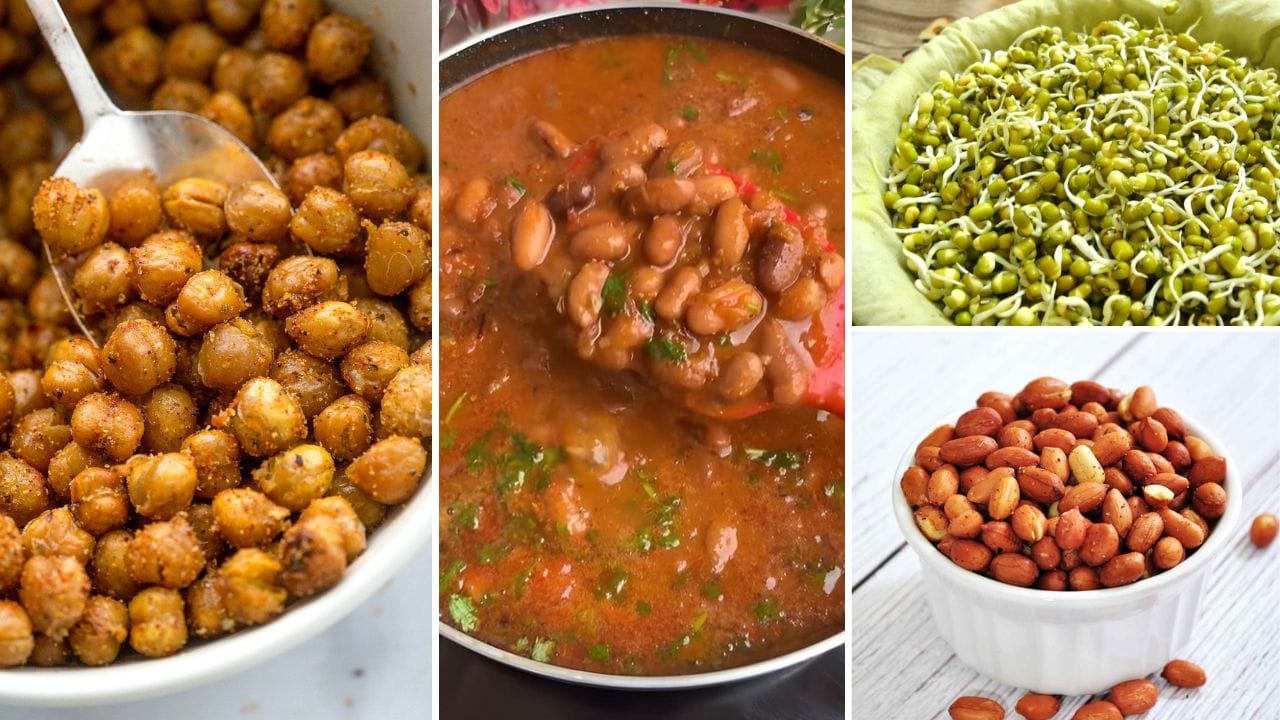
For individuals like Karan Wahi who choose to transition away from non-vegetarian food, it is crucial to ensure adequate intake of essential nutrients that are often readily available in animal products. Dr. Dodeja advises that vegetarians must actively seek sufficient protein, iron, vitamin B12, omega-3 fatty acids, and zinc from plant-based sources or consider supplements if necessary. These nutrients are vital for various bodily functions, including skin repair, maintaining the skin's barrier function, supporting collagen production, and preserving skin elasticity. Prioritizing fresh, home-cooked meals, minimizing ultra-processed foods, staying well-hydrated, effectively managing stress, and ensuring sufficient sleep are all fundamental pillars for promoting robust skin health. By addressing these nutritional and lifestyle factors, individuals can support their skin's well-being effectively on a vegetarian diet.