





Foundational Steps
Embarking on the deadlift journey begins with meticulous attention to fundamental positioning. Stand with your feet spaced roughly shoulder-width apart,
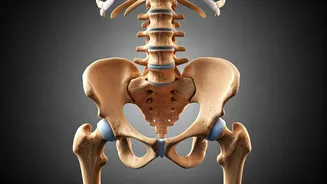
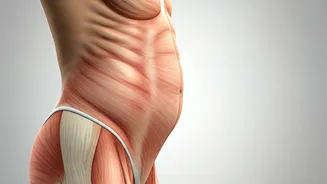
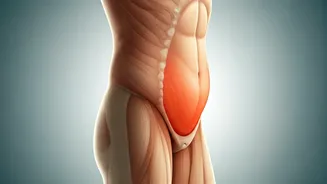
ensuring the barbell is positioned very close to your shins. The crucial next step involves hinging at your hips, maintaining a neutral spine throughout this motion. Simultaneously, subtly bend your knees just enough to comfortably grip the bar, positioning your hands slightly wider than your legs. Before initiating the lift, it's imperative to actively engage your core muscles and keep your chest lifted, signifying readiness. This preparation phase is vital for establishing a stable base and preventing undue strain on your lower back and joints right from the outset.
The Ascent
With your foundational stance established, the ascent phase of the deadlift requires a powerful, coordinated effort. Initiate the lift by driving through your heels, simultaneously extending your hips and knees. This synchronized movement allows you to stand up tall, bringing the barbell with you. As you rise, keep the bar in close proximity to your body, ideally resting against your thighs as you reach the upright position. The emphasis here is on a controlled, fluid motion, originating from the ground up. This technique ensures that you're utilizing the strength of your legs and posterior chain effectively, rather than relying on your arms to pull the weight, which is a common mistake that can lead to injury.
Controlled Descent
Reversing the powerful ascent requires just as much precision and control to maintain safety and reap the full benefits of the deadlift. On your way down, the movement should be a mirror image of the way you lifted the bar. Begin by hinging at your hips, pushing your glutes backward as if you were initiating a hip hinge. Only after the bar has passed your knees should you then initiate a slight bend in your knees to lower the bar the rest of the way to the floor. This controlled descent prevents momentum from taking over and ensures that your back remains neutral and protected throughout the entire range of motion. Mastering this controlled lowering is as important as the lift itself for building confidence and preventing injury.
Building Confidence
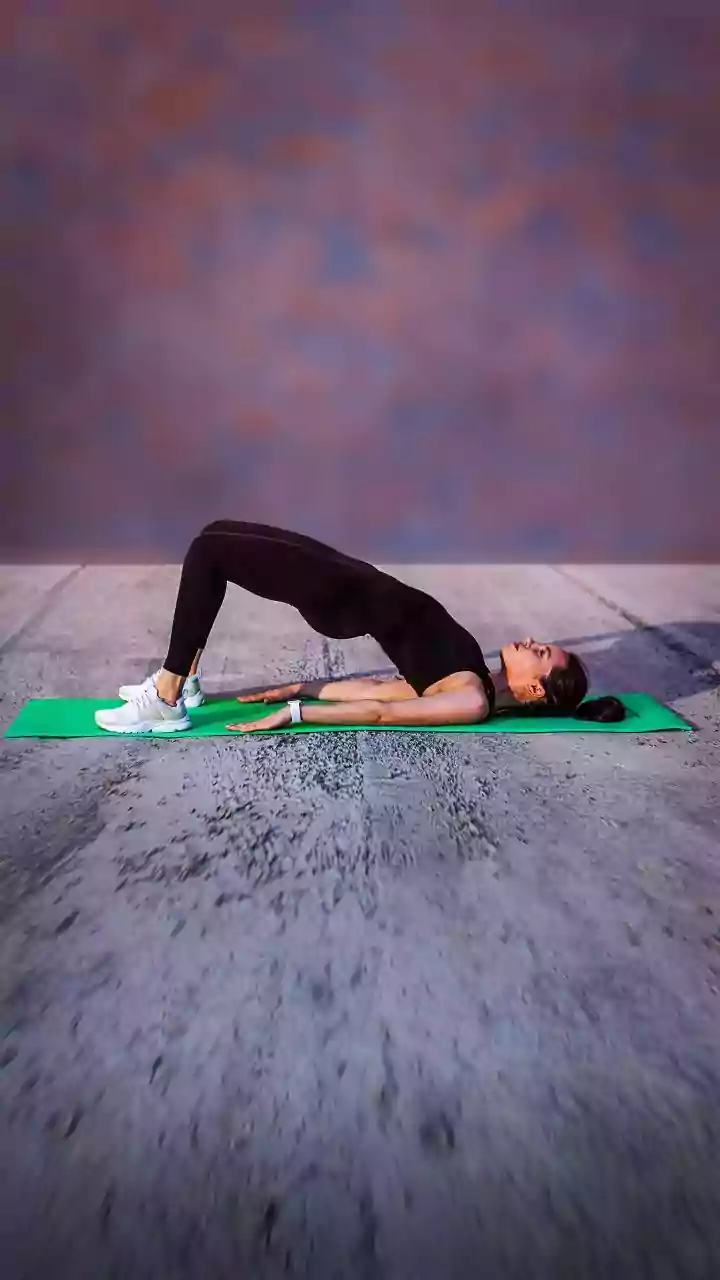
Fear of back injury is a common concern for beginners, but often stems from incorrect form rather than the exercise itself. To build unwavering confidence, focus on strengthening the core and the posterior chain through complementary exercises. Incorporating movements like glute bridges, planks, and hip hinges will train your body to maintain a stable spine during lifting. These preparatory exercises teach your muscles to work in harmony, providing the support necessary for heavier loads. It's about progressive overload, starting with very light weights or even an empty bar to perfect the motion. This gradual approach allows your body to adapt and builds mental assurance, making the deadlift a powerful tool rather than a source of anxiety.
Common Pitfalls
Several common mistakes can compromise deadlift safety and effectiveness. One primary error is rounding the lower back, which places excessive stress on the spine. This can be rectified by practicing hip hinge drills and consciously keeping the chest elevated throughout the entire lift. Another frequent misstep is allowing the barbell to drift away from the body. Keeping the bar extremely close to your shins and thighs throughout the movement minimizes strain and enhances efficiency. Many beginners also mistakenly try to pull the bar primarily with their arms, neglecting the power of the legs and hips. Visualizing the deadlift as a push through the floor can help redirect the focus to the correct muscle groups, ensuring a safer and more potent lift.