




Tiny Seeds, Big Fibre
When aiming to increase your dietary fibre, several small powerhouses can make a significant impact, even without incorporating more vegetables into your meals.
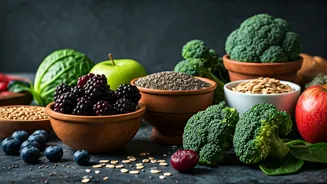
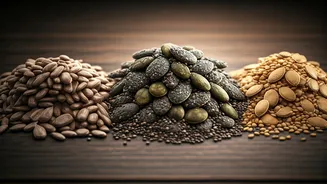
Chia seeds, for instance, are exceptionally dense in fibre; just two tablespoons can deliver approximately 10 grams. It's recommended to soak these seeds overnight before consuming them to enhance digestibility and prevent them from being eaten dry. Similarly, flaxseeds are another valuable addition. While whole flaxseeds offer benefits, grinding them before consumption can unlock their full nutritional potential and fibre content. Two tablespoons of ground flaxseeds typically provide around five to six grams of fibre. These seeds are versatile and can be easily stirred into porridges, yogurts, or blended into smoothies.
Legumes: Fibre and Protein
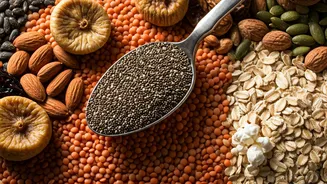
Legumes are nutritional champions, offering a double benefit of high fibre and substantial protein. Lentils are a prime example; a mere half-cup of cooked lentils can contribute about eight grams of fibre to your daily intake. They are a staple in many cuisines and can be incorporated into a wide array of dishes, from hearty soups and stews to refreshing salads. Chickpeas, also known as chana, follow suit, providing a considerable amount of fibre along with plant-based protein. Half a cup of chickpeas offers around six grams of fibre, making them a filling and nutritious choice. Another member of the legume family, black beans, are equally impressive, with half a cup of cooked beans delivering approximately seven and a half grams of fibre. These versatile beans can be added to tacos, chilis, or served as a side dish.
Fruity Fibre Boost
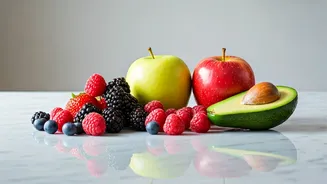
Fruits are often overlooked as significant fibre sources, but they can be just as effective as vegetables in helping you meet your daily requirements. Among berries, raspberries stand out with an impressive fibre content; one cup can provide eight grams of fibre, and frozen varieties are just as beneficial. Blackberries are also a rich source, offering roughly seven and a half grams of fibre per cup, making them a close competitor to raspberries. Pears, when consumed with their skin, offer a good fibre count as well. A medium-sized pear, eaten with the skin on, can provide between five and six grams of fibre. These fruits can be enjoyed on their own, added to breakfast bowls, or incorporated into desserts.
Grains and Cereals
Certain grains and cereals offer a substantial fibre boost, serving as excellent alternatives to vegetables. Oats, particularly steel-cut or rolled varieties, are a fantastic choice. Half a cup of dry oats can contribute about five grams of fibre, and they are especially rich in beta-glucan, a type of soluble fibre known for its cholesterol-lowering and heart-health benefits. Quinoa, an ancient grain, is another excellent option. One cup of cooked quinoa provides approximately five grams of fibre and is also a complete protein source. Incorporating these grains into your breakfast or as side dishes can significantly increase your daily fibre intake and contribute to overall well-being.