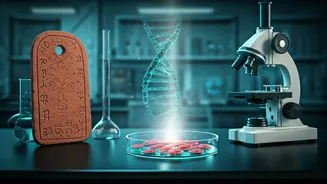








Genetic Blueprint for Life
Historically, environmental factors like diet, exercise, and lifestyle have been considered the primary determinants of lifespan. However, emerging scientific
research is fundamentally challenging this viewpoint. The current consensus acknowledges that genetics are considerably more influential than previously acknowledged. Scientists are increasingly investigating specific genes and genetic pathways that significantly affect the aging process. These studies are uncovering the intricate ways our genetic makeup can either predispose us to a longer life or accelerate the process of aging. This research suggests that while lifestyle choices undoubtedly matter, the genetic cards we are dealt at birth may, in fact, hold a more significant hand in determining our lifespan. For example, some people might have genetic predispositions that make them more resilient to age-related diseases. Conversely, others might possess genes that accelerate the accumulation of cellular damage, reducing their lifespan. The interplay between genes and environmental factors is undeniably complex, but the mounting evidence firmly places genetics at the forefront of the longevity debate.
Genes and Aging Process
The examination of the genetic impact on aging has led to the identification of several key genes linked to longevity. Researchers have pinpointed specific genes involved in DNA repair, cellular maintenance, and the regulation of metabolism. These genes can have a significant impact on lifespan. For instance, genes that boost DNA repair efficiency can lower the accumulation of genetic mutations, a key factor in aging. Conversely, genes that compromise the efficiency of cellular processes can speed up the aging process. The complexity of these genetic influences is astounding, as many genes interact with each other in intricate networks. This means that a single gene's impact can be amplified or suppressed by the actions of other genes. This intricate interplay necessitates a comprehensive approach to understanding longevity, looking beyond single genes and focusing on entire genetic pathways. Moreover, studies in model organisms, such as worms and flies, have yielded valuable insights. These studies have frequently revealed that modifying the activity of certain genes can lead to remarkable lifespan extensions. These findings offer the prospect of future interventions.
Environmental Interactions
While genetics exert a dominant influence, it's crucial not to disregard the environment. Lifestyle choices, including diet, physical activity, and exposure to environmental toxins, continue to affect how genes express themselves. This interaction between genes and environment is a fundamental concept in the study of longevity. For example, certain genes may make individuals more susceptible to the effects of poor diets or environmental hazards. On the other hand, a healthy lifestyle might buffer some of the negative effects of less favorable genes. Personalized medicine is becoming a reality, where genetic information is used to tailor healthcare recommendations. Genetic testing can give individuals insights into their predispositions and vulnerabilities. Armed with this knowledge, individuals can make informed decisions to optimize their health and longevity. It is a holistic approach, where individuals can benefit from their genetic predispositions. Therefore, the pathway to a longer, healthier life is a combination of genetic inheritance and conscious lifestyle choices.