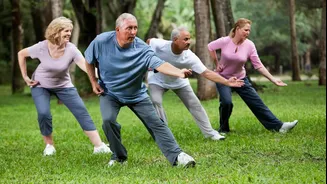







Posture-Perfect Strides
At the heart of Japanese walking lies an unwavering commitment to impeccable posture. This method advocates for a lengthened spine and an actively engaged
core, ensuring your head stays precisely aligned above your shoulders. By consciously tucking your pelvis, you effectively reduce undue stress on your joints and significantly amplify the engagement of your muscles. This deliberate alignment transforms every single step into an exercise in functional stability, leading to a noticeable improvement in your overall bodily alignment and balance. It's about making your daily movement a conscious act of strengthening and conditioning your entire physique from the ground up.
The Namba Rhythm
Embracing traditional movement principles, the Namba rhythmic technique injects efficiency and synchronicity into your walking cadence. This approach advocates for minimizing unnecessary torso rotation, instead directing your energy into a fluid, mid-foot strike. This precise movement conserves valuable energy reserves, allowing you to maintain a higher intensity for longer durations without succumbing to premature fatigue. The result is a more sustainable, high-performance walk that feels less strenuous, enabling you to push your limits gracefully and effectively.
Mindful Connection
Drawing inspiration from the deeply restorative practice of Shinrin-yoku, or forest bathing, Japanese walking places a profound emphasis on cultivating mental clarity. The technique encourages a harmonious synchronization between your deep, steady breathing and the rhythm of your steps. This mindful coupling is scientifically shown to lower cortisol levels, the body's primary stress hormone. This meditative quality makes the practice exceptionally appealing to individuals seeking a fitness regimen that not only strengthens the body but also nurtures and heals the mind, fostering a profound sense of well-being.
Metabolic Boost
This innovative walking style is meticulously designed to elevate your metabolic rate through strategic power walking intervals. By intelligently alternating between periods of brisk, vigorous walking and more moderate paces, you can achieve substantial cardiovascular benefits comparable to jogging. Crucially, this method significantly reduces the impact on your knees and joints, offering a gentler yet equally effective path to fitness. This makes it an ideal and sustainable long-term habit for anyone looking to maintain peak physical condition without the wear and tear associated with high-impact exercises.
Accessible Fitness
A significant driver behind the burgeoning popularity of Japanese walking is its remarkable accessibility. This fitness regimen requires absolutely no investment in expensive gym memberships or specialized equipment. All that is needed is a reliable pair of supportive shoes, making it a truly democratic form of exercise. This zero-cost barrier allows individuals from all walks of life to seamlessly integrate a potent workout into their daily routines, whether it's during their commute, a lunch break, or a leisurely neighborhood exploration.
Embracing Longevity
Japan is globally recognized for its exceptionally long-living population, and this walking style mirrors the lifestyle choices that contribute to such longevity. The methodology champions functional fitness over extreme intensity, focusing on maintaining joint fluidity and muscle tone well into advanced age. This contrasts sharply with more aggressive forms of exercise that can often lead to injuries, underscoring the practice's commitment to a sustainable, injury-free path to lifelong health and vitality.
Arm Engagement
Proper arm mechanics are a cornerstone of this efficient walking technique, moving far beyond casual swinging. Japanese walking advocates for maintaining a precise 90-degree bend at the elbow, with arms moving purposefully in a coordinated back-and-forth motion. This deliberate arm action serves to generate momentum, actively engage the muscles of the upper back, and increase the overall calorie expenditure. By involving the entire upper body in the process, the walk becomes a more comprehensive and effective full-body workout.
Social Strides
In Japan, walking is frequently viewed as a communal pursuit, and this trend is now fostering global connections. It's spreading through organized walking clubs and engaging social media challenges, creating a supportive community. This collective environment provides invaluable motivation and accountability, making it substantially easier for newcomers to commit to and maintain their new fitness regimen, fostering a sense of belonging and shared progress.
Digestive Aid
The gentle, consistent rhythm characteristic of Japanese walking offers tangible benefits for digestive health, particularly when performed after meals. This rhythmic movement is known to effectively aid in the digestive process and contributes to the regulation of blood sugar levels. These practical, health-enhancing outcomes make it an exceptionally attractive lifestyle 'hack' for busy individuals aiming to optimize their overall wellness and daily functioning without adding significant time commitments.
Eco-Conscious Movement
As global consciousness shifts towards more sustainable living, the Japanese walking trend aligns perfectly with eco-friendly values. It actively encourages individuals to explore their local environments on foot, fostering a deeper appreciation for both natural landscapes and urban settings. This practice not only enhances physical well-being but also promotes environmental awareness and contributes to reducing one's personal carbon footprint, merging personal health goals with planetary care.