







Mindful Grocery Shopping
The initial step towards lessening the intake of ultra-processed foods involves conscious choices while shopping. Start by planning your meals in advance,
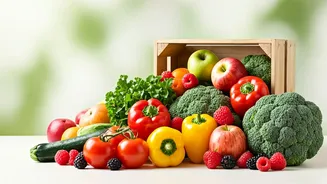
which steers you away from impulsive buys. Construct a shopping list focusing on fresh, whole foods such as fruits, vegetables, lean proteins, and whole grains. When you reach the store, meticulously read food labels to become aware of the ingredients, particularly those that are additives, artificial flavors, and excessive sugars. Avoid the interior aisles, which often house highly processed items, and spend most of your time in the perimeter of the store where the healthier choices, like the produce section, are. Also, be wary of marketing tactics, and do not fall for appealing packaging that might suggest that a product is healthy when in reality, it is heavily processed. Embracing a more mindful approach to grocery shopping significantly aids in lowering the intake of ultra-processed foods, fostering a healthier dietary lifestyle.
Read Food Labels
Become a label detective to uncover the hidden truths behind the foods you consume. Pay close attention to the ingredient lists; the shorter, the better. Familiarize yourself with common additives, preservatives, and artificial ingredients often found in ultra-processed foods. These include high-fructose corn syrup, artificial sweeteners, trans fats, and various artificial colors and flavors. Examine the nutrition facts panel, considering the amount of added sugars, sodium, and unhealthy fats. These are usually present in elevated levels in processed foods. Compare the ingredients and nutritional content of similar products, choosing those with fewer artificial ingredients and a lower amount of added sugars, sodium, and unhealthy fats. Reading food labels can be a game-changer, empowering you to make informed decisions and steer clear of ultra-processed foods, thereby promoting your health and well-being. It is about knowledge and taking control of what you consume.
Cook More Meals
One of the most effective ways to avoid ultra-processed foods is to take control of your kitchen and prepare more meals at home. Cooking from scratch lets you select the ingredients and control the amount of salt, sugar, and unhealthy fats used. Start with simple recipes that use whole, unprocessed ingredients. Gradually, as you become more comfortable, you can explore more complex dishes. Meal planning is also important; this will help reduce the reliance on convenience foods and takeaway. Prepare large batches of food on the weekends, allowing you to have ready-to-eat meals throughout the week. When you cook, try different methods like grilling, baking, or steaming, rather than deep-frying. Moreover, involve your family in the cooking process, making it a fun and educational experience. By cooking more at home, you’re not only reducing your intake of ultra-processed foods but also improving your culinary skills and enjoying delicious, nutritious meals that contribute to your overall health and well-being.
Choose Whole Foods
Embrace the goodness of nature by building your diet around whole, unprocessed foods. This means focusing on fruits, vegetables, lean proteins, whole grains, and healthy fats. These foods are naturally rich in essential nutrients, fiber, and antioxidants, supporting your overall health. Make fruits and vegetables the cornerstone of your meals and snacks. Choose lean proteins like fish, poultry, beans, and lentils. Opt for whole grains such as brown rice, quinoa, and oats, and limit refined grains. Include healthy fats from sources like avocados, nuts, and olive oil. By focusing on whole foods, you naturally reduce your reliance on ultra-processed options that often lack nutritional value and contain excessive amounts of unhealthy additives. This approach promotes a balanced diet and provides the essential nutrients your body needs to thrive. Incorporating whole foods into your diet is a straightforward way to eat better and feel better every day.
Prepare Snacks Wisely
The art of avoiding ultra-processed foods extends to how you handle snacks. Rather than reaching for packaged chips, cookies, or candy bars, focus on preparing healthy, homemade snacks. Fruits like apples, bananas, and berries make excellent snack options, offering a natural source of vitamins and fiber. Consider pairing fruit with a handful of nuts or a small serving of plain yogurt for a balanced snack with protein and healthy fats. Vegetables like carrots, celery, and bell peppers can be served with hummus or a light dip. If you enjoy popcorn, pop it at home using whole kernels and light seasonings instead of buying pre-packaged microwave bags. Preparing your own snacks lets you control the ingredients, avoid unwanted additives, and choose healthier options that will keep you feeling full and energized. This is a simple strategy that can significantly reduce the intake of ultra-processed foods throughout the day, supporting a better eating lifestyle.
Limit Added Sugars
One of the key strategies for reducing ultra-processed foods is to be mindful of added sugars. These are often hidden in many processed foods, contributing to excess calories without providing any nutritional value. Carefully read food labels, and look for added sugars like high-fructose corn syrup, cane sugar, dextrose, and maltose. Be particularly cautious of sweetened beverages, such as sodas, juices, and flavored coffees, which are significant contributors to added sugar intake. When preparing meals and snacks, limit the use of added sugars and consider natural alternatives like fruits or a touch of honey or maple syrup. Get used to enjoying the natural flavors of food. By proactively reducing added sugars, you can improve your overall health, manage your weight more effectively, and reduce the risk of chronic diseases. This simple adjustment to your diet can have a large impact on your long-term health and well-being, helping you feel much better overall.
Be Wary of Marketing
Ultra-processed foods often rely on sophisticated marketing techniques to entice you into buying them. Learn to be wary of enticing packaging, catchy slogans, and health claims that can be misleading. Many processed foods use clever marketing to make them seem healthier than they actually are. Look beyond the claims on the front of the packaging and always read the ingredients list. Be skeptical of products that promise convenience or instant gratification, as they often contain a multitude of additives and preservatives. Educate yourself about common marketing tactics and how they influence consumer choices. This heightened awareness empowers you to make informed decisions and choose foods based on their true nutritional value rather than on deceptive marketing. By becoming a more discerning consumer, you can effectively avoid the lure of ultra-processed foods and make choices that are in alignment with your health and wellness goals.
Embrace Food Prep
Integrating food preparation into your routine is an excellent method for lowering your dependence on ultra-processed foods. Allocate some time each week to prepare meals and snacks for the days ahead. This can involve tasks like chopping vegetables, portioning out proteins, cooking grains, and assembling ready-to-go meals. Invest in food storage containers to keep prepped ingredients and meals fresh and readily accessible. Food preparation reduces the temptation to grab convenient, processed options when you're busy or tired. When you have healthy choices available, you're more likely to stick to your dietary goals. It also saves time during the week and cuts down on the stress of deciding what to eat at the last minute. By incorporating food preparation into your weekly schedule, you create a sustainable and enjoyable approach to eating, making it easier to steer clear of ultra-processed foods and prioritize your health.