


The Frozen River's Call
The Chadar Trek, a unique winter expedition in Ladakh, unfolds across the Zanskar River, which transforms into a solid sheet of ice for a few months each
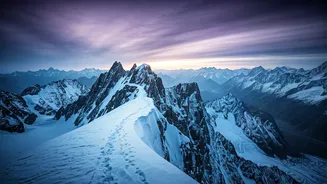
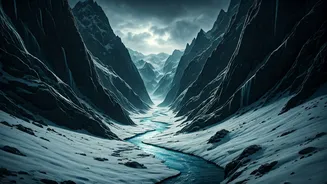
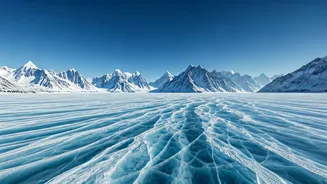
year. This ancient trade route, inaccessible by road during winter, is only traversable on foot over the frozen river. Trekkers follow the path carved by locals for centuries, experiencing a landscape unlike any other in India. The extreme cold, with temperatures plummeting to -25°C and below, coupled with the ever-changing ice conditions, presents a formidable challenge. Navigating this icy terrain requires not just physical stamina but also mental fortitude. The raw beauty of the frozen river, flanked by towering, snow-capped peaks and frozen waterfalls, offers a surreal and unforgettable panorama. This trek is not merely a physical journey; it's an immersion into a harsh yet magnificent environment, demanding respect and careful planning from every participant.
Facing the Elements
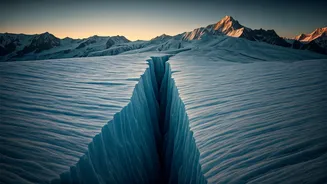
The primary challenge of the Chadar Trek lies in its extreme climatic conditions. Temperatures regularly drop well below freezing, creating an environment where hypothermia and frostbite are constant threats. The ice itself is a dynamic element; its thickness can vary drastically, and sections may crack or melt unexpectedly, necessitating careful navigation and constant vigilance. Walking on slippery ice requires specialized gear and a steady gait. Moreover, the altitude of Ladakh adds another layer of difficulty, with the highest point of the trek reaching over 11,000 feet. Acclimatization is crucial to prevent altitude sickness, which can manifest as severe headaches, nausea, and dizziness. The remoteness of the region means that medical assistance is far away, emphasizing the need for trekkers to be self-sufficient and prepared for emergencies. This trek is a true test of resilience against nature's formidable forces.
Essential Preparation
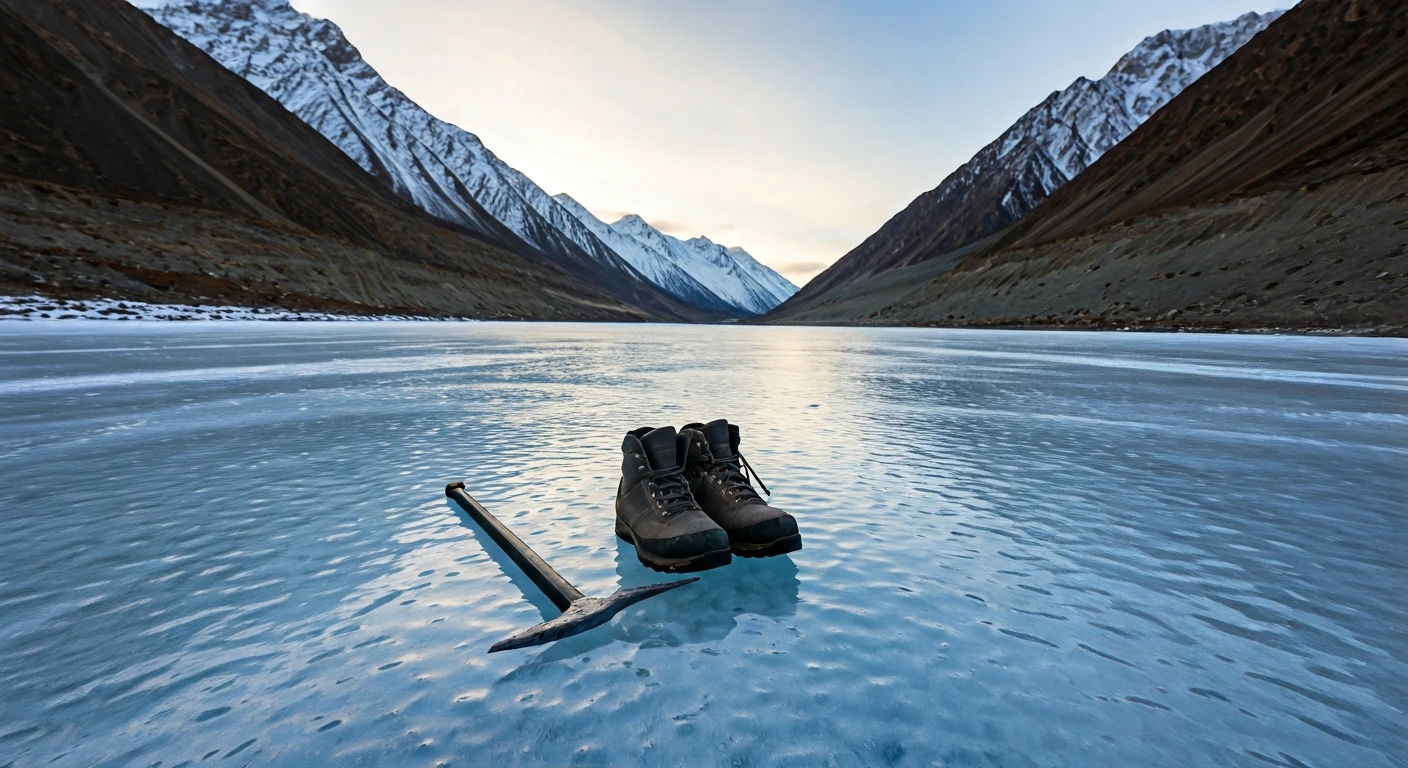
Successfully undertaking the Chadar Trek demands meticulous preparation. Proper acclimatization is paramount; spending at least two to three days in Leh before commencing the trek allows the body to adjust to the high altitude. This period is also vital for purchasing any last-minute supplies and ensuring all equipment is in working order. Clothing is critical: layers are key, including thermal base layers, insulating mid-layers like fleece or down jackets, and a windproof and waterproof outer shell. Specialized high-grip trekking boots designed for icy conditions are essential, as are warm gloves, hats, and sunglasses to protect against the sun's glare on the snow. Headlamps are necessary for navigating in low light, and waterproof bags are indispensable for protecting gear from moisture. A comprehensive first-aid kit, including medications for common ailments and altitude sickness, is also a must. Familiarizing oneself with basic survival techniques and understanding the risks involved will significantly enhance safety and enjoyment.
A Glimpse of Ladakh
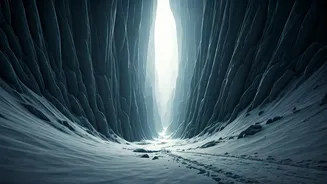
Beyond the physical exertion, the Chadar Trek offers a profound cultural and visual experience. The journey passes through remote Ladakhi villages, providing a unique opportunity to interact with the local communities and witness their resilient way of life in one of the world's harshest inhabited regions. Staying in caves or simple camps, trekkers get a glimpse into the daily routines of the Zanskar people, who have adapted to this extreme environment over generations. The frozen landscape itself is a spectacle of natural artistry. Towering ice formations, frozen waterfalls that glisten under the sun, and the stark, majestic beauty of the surrounding Himalayas create a constantly shifting panorama. The silence of the frozen river, broken only by the crunch of boots on ice and the whisper of the wind, adds to the mystical allure of this extraordinary trek. It's an immersion into a world where nature reigns supreme and human presence is a testament to endurance.