




Winter's Skin Challenge
Winter's harsh conditions, marked by cold temperatures and low humidity, significantly impact the skin. The environment strips away the natural moisture
barrier, leading to dryness, flakiness, and increased sensitivity. Central heating further exacerbates this issue by reducing the humidity levels inside, making the skin even drier. This drying effect disrupts the skin's ability to retain water, causing it to become dehydrated, and the surface texture alters. When makeup is applied on this uneven surface, it struggles to adhere properly, resulting in a patchy and uneven finish. The challenge lies in combating these environmental factors to maintain skin health and a flawless makeup application.
Hydration is Key
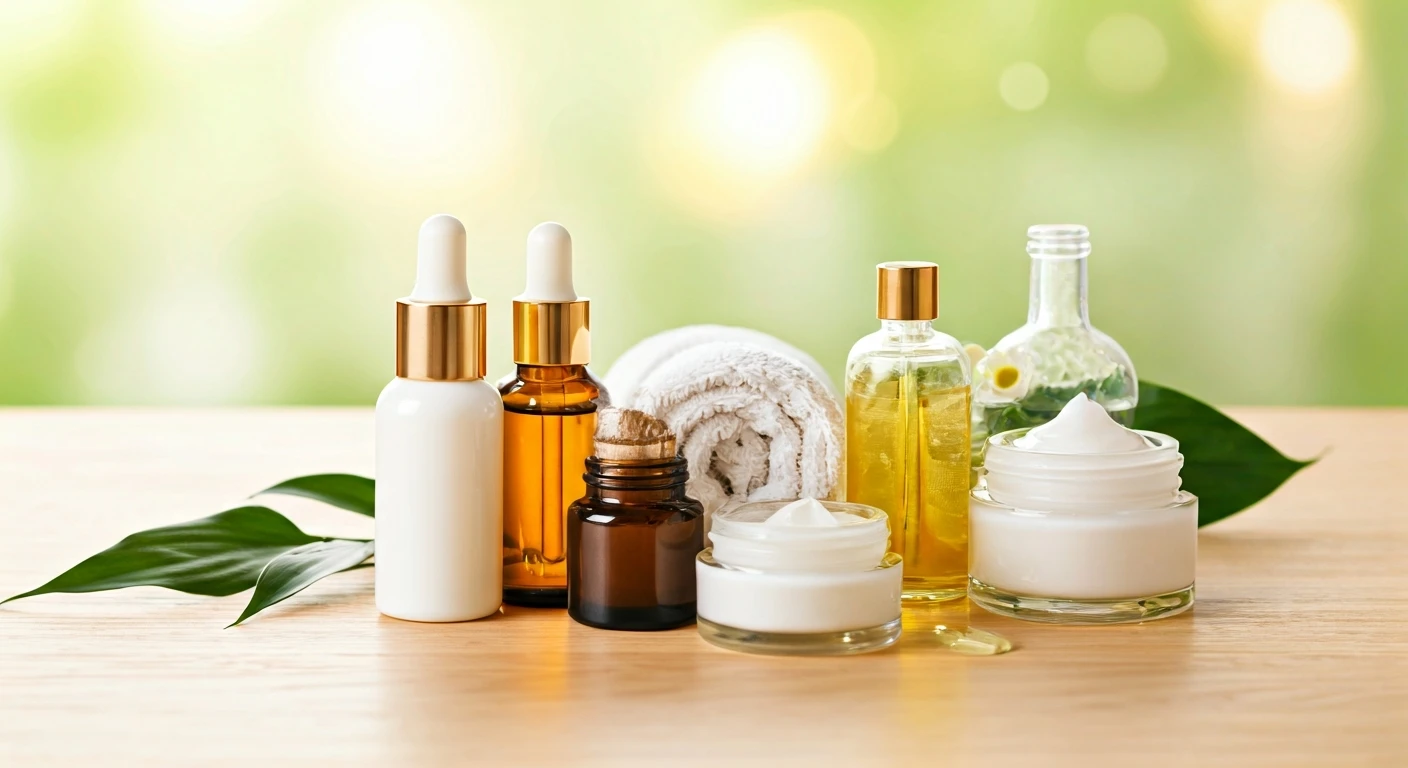
The foundation of a flawless winter makeup routine is robust hydration. This means going beyond your regular moisturizer and implementing a multi-layered approach. Start by incorporating hydrating serums, rich in ingredients like hyaluronic acid, which attract and retain moisture. Follow with a deeply moisturizing cream or balm to lock in the hydration. Consider using a hydrating face mist throughout the day to replenish moisture levels. It is also important to drink plenty of water to hydrate the skin from within. Choose makeup products that contain moisturizing ingredients, and avoid those that are drying. Proper hydration ensures the skin remains plump, and makeup applies smoothly, preventing patchiness.
Choosing the Right Products
Selecting the appropriate skincare and makeup products is vital in addressing winter-related patchiness. Switch to gentle, hydrating cleansers that do not strip the skin of its natural oils. Opt for creamy, hydrating foundations and concealers instead of matte or powder-based formulas, which can accentuate dryness. Ingredients like glycerin, ceramides, and natural oils are your allies. Avoid products with alcohol or harsh chemicals. Primers specifically designed to hydrate and create a smooth base for makeup application are also beneficial. Experiment with different formulas to discover what works best for your skin type. Look for products that work synergistically to provide long-lasting hydration and a flawless finish.
Exfoliation: The Secret
Regular, gentle exfoliation is essential to remove dead skin cells that cause patchiness and uneven texture. However, be cautious; over-exfoliating can damage the skin barrier, leading to further dryness. Opt for chemical exfoliants, like AHAs or BHAs, which are milder and more effective than physical scrubs. Apply exfoliation products 1-2 times per week. After exfoliating, immediately follow with a hydrating mask or serum to replenish moisture. Pay attention to your skin's response; if you notice redness or irritation, reduce the frequency of exfoliation. The goal is to create a smooth canvas for makeup by sloughing off dead cells without compromising the skin's integrity. Exfoliation removes the build-up of dead skin cells and ensures the even application of makeup.
Makeup Application Tips
The method of applying makeup matters during winter. Use a damp makeup sponge or brush to blend foundation and concealer, as this aids in a more seamless application. Avoid applying heavy layers of makeup, as this tends to emphasize dryness and imperfections. Set your makeup with a hydrating setting spray, which helps to lock in moisture and prevent caking. Use cream or liquid blush and highlighter to prevent the dryness associated with powder products. Throughout the day, rehydrate the skin with a face mist, and blot any excess oil that can build up. If your makeup starts to look patchy, gently blot with a tissue and reapply in thin layers. Apply makeup evenly, working in thin layers to avoid a cakey look.