


Hidden Dangers in Turmeric
Turmeric, a staple spice in many kitchens, isn't always as pure as it appears. Food safety professionals are raising concerns that some turmeric powders
are mixed with artificial colourants, fillers, or even dangerous substances. These adulterations are often done to enhance the spice's bright yellow hue or to increase its weight, making it seem more valuable than it is. Such practices pose significant health risks to consumers who unknowingly ingest these harmful chemicals. Understanding these potential contaminations is the first step towards ensuring the turmeric you use is safe for consumption and retains its natural health benefits without posing a hidden threat.
Detecting Toxic Dyes
Certain toxic chemicals are sometimes added to turmeric to artificially boost its colour. One such culprit is lead chromate, a dangerous yellow pigment. You can test for this by dissolving a small amount of turmeric powder in water. If you observe distinct coloured streaks or cloudy particles separating, it could signal lead chromate contamination. Another harmful dye, metanil yellow, can also be identified through a simple chemical reaction. When hydrochloric acid is introduced to turmeric containing this dye, the mixture will turn pink, acting as a clear indicator of adulteration. These tests provide a basic but effective way to identify some of the most concerning chemical additives.
Identifying Chalk Powder
Beyond artificial dyes, chalk powder, also known as calcium carbonate, is frequently used as a filler in adulterated turmeric. This substance is added primarily to increase the weight of the powder, thereby boosting profits for unscrupulous sellers. To detect its presence, a simple test involves mixing a small portion of turmeric with diluted hydrochloric acid. If you notice any bubbling or fizzing during this reaction, it strongly suggests that chalk powder has been added. This effervescence is the chemical response of calcium carbonate when exposed to acid, making it a straightforward indicator of this common adulterant.
Visual and Tactile Clues
The physical characteristics of turmeric powder can also offer hints about its purity. High-quality, pure turmeric typically boasts a rich, deep golden-yellow colour and possesses a fine, smooth texture. In contrast, adulterated versions might appear dull, faded, or have an uneven colouration. A tactile test can further aid in detection: rub a tiny pinch of the powder between your fingers. Authentic turmeric tends to cling to the skin, leaving a distinct and strong yellow stain. Adulterated powder, however, may feel gritty and less likely to transfer a significant amount of colour, often falling away easily without leaving a pronounced mark.
The Simple Water Test
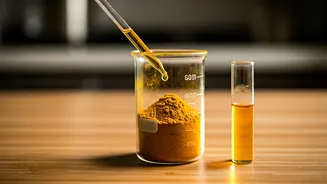
One of the most accessible methods for checking turmeric at home requires nothing more than a glass of clean water. This quick test, recommended by food safety officials, can help identify the presence of artificial colour additives. Take a clear glass and fill it with water, then add a spoonful of turmeric powder. After allowing it to settle for a few minutes, observe the results carefully. Pure turmeric powder should sediment at the bottom, leaving the water relatively clear or only lightly tinged. If you notice the yellow colour spreading through the water or see particles floating on the surface, it's a strong sign that artificial colour or other foreign substances have been incorporated into the powder.
Lukewarm Water Solubility
Another straightforward home test utilises lukewarm water to assess turmeric's purity. Add a teaspoon of turmeric powder to a glass of warm water and let it stand undisturbed for approximately 10 to 15 minutes. Under normal conditions, pure turmeric powder should gradually settle at the bottom of the glass, and the water should remain mostly clear. However, if the powder consistently stays suspended in the water, or if it rapidly turns the water a deep yellow without settling, this could indicate the presence of synthetic dyes or fillers. This test leverages the difference in solubility and density between pure turmeric and common adulterants.
Limitations of Home Testing
While these at-home tests are valuable for identifying obvious cases of adulteration, it's crucial to understand their limitations. Experts caution that some highly processed turmeric products might still manage to pass these basic visual and chemical checks, even if they contain additives. For absolute certainty regarding purity, laboratory analysis remains the most reliable method. To mitigate the risk of purchasing adulterated turmeric, especially if you consume it for its health benefits, it's advisable to opt for reputable brands or certified organic sources. These measures can significantly reduce the chances of encountering contaminants in your turmeric supply.