






The Unexpected Incident
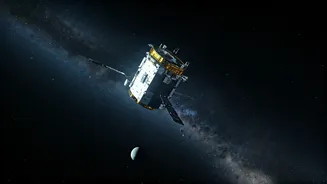
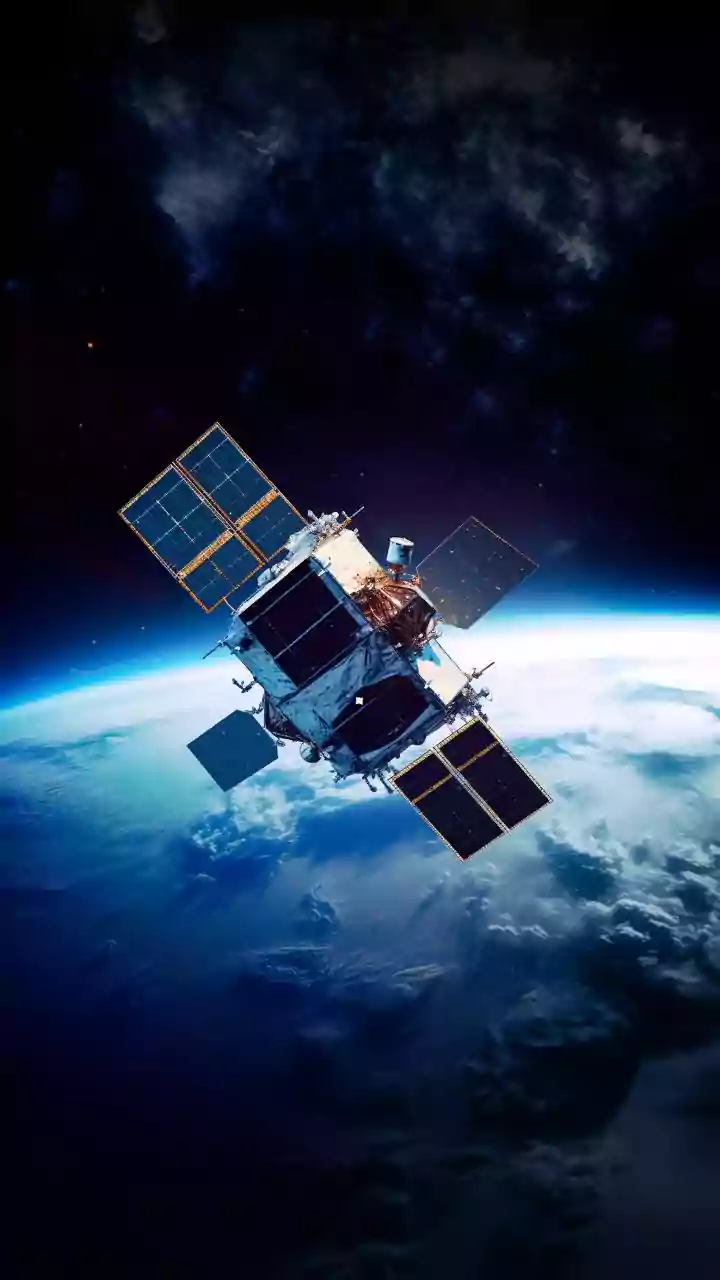
Satellite 35956, part of the Starlink network, experienced a critical malfunction, resulting in a tumbling motion. Although the specifics of the damage
have not been made public, the nature of the issue itself, as reported by authorities, is significant. The event underscores the unpredictable nature of operating in the harsh environment of space. The tumbling signifies a loss of control, potentially caused by internal system failures or external factors. Such incidents are rare but serve as important reminders of the complex challenges faced by space-based technologies. The occurrence has captured the attention of both space enthusiasts and industry experts, sparking discussions about the robustness of satellite designs and operational protocols.
Potential Causes Explored
Multiple factors could potentially have triggered the anomaly. Firstly, internal system failures, such as those within the satellite’s control systems, could lead to loss of orientation. These systems are crucial for maintaining the satellite's position and orientation in space. Secondly, external impacts from space debris or micrometeoroids remain a possibility. Even small particles can cause substantial damage at orbital speeds, especially when hitting at an angle. Thirdly, issues related to software glitches or command errors could contribute to the satellite's tumbling. A misconfiguration can lead to problems. Finally, though unlikely, solar radiation or geomagnetic storms could also impact sensitive electronic components. Determining the exact cause will necessitate comprehensive analysis of telemetry data and any available imaging.
Implications and Consequences
The tumbling satellite has broader implications beyond just the failure of a single spacecraft. It affects the performance of the overall Starlink constellation and potentially impacts the services provided to users on Earth. Beyond immediate service disruptions, such incidents raise the importance of space traffic management and debris mitigation. If the satellite cannot be stabilized, it may become space debris, increasing the risk of collisions with other satellites and endangering space assets. In addition, the event could require adjustments in the operational procedures for other Starlink satellites, affecting the overall functionality and future launches. The anomaly serves as a reminder of the need for ongoing innovation in satellite design, space operations, and debris removal technologies.