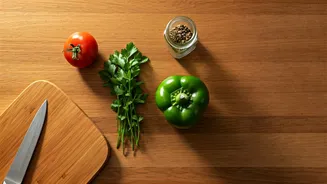









Plan Your Meals
Embrace the power of advance meal planning to revolutionize your kitchen routine and significantly cut down on waste. By creating a weekly or even daily
meal schedule, you gain a clear understanding of the ingredients required for each dish. This foresight allows you to purchase precisely what you need, thereby avoiding overstocking your pantry and refrigerator. When you know what you're cooking, you're less likely to buy duplicates or items that might expire before use. Furthermore, planned meals often mean less impulsive cooking and over-preparation, ensuring that the food you prepare is consumed and enjoyed, rather than ending up in the bin. This organized approach not only saves food but also streamlines your grocery shopping, saving you time and money.
Measure Wisely
In many Indian households, cooking often involves a degree of approximation, which can inadvertently lead to substantial food wastage. To combat this, adopting the practice of using measuring cups, spoons, and standardized portion sizes is highly effective. This precise approach applies to staple ingredients like rice, flour, lentils, and pasta, ensuring you cook only the amount needed for your family's consumption. Beyond preventing excess food, meticulous measurement also contributes to saving valuable resources such as time, energy, and cooking fuel. It promotes a more controlled and efficient cooking process, where every ingredient is utilized to its full potential, aligning with the principles of mindful consumption and resource conservation.
Store Food Smartly
Once your delicious meals are prepared, proper storage is paramount to preventing spoilage and minimizing waste. Organizing your cooked food, especially in the refrigerator, plays a crucial role. A best practice is to place older items at the front and newer dishes towards the back, encouraging their timely consumption. Utilizing airtight containers is essential for preserving freshness and extending the shelf life of food. Maintaining the correct cooling temperature within your fridge and labeling your food items also aids in effective preservation. For optimal hygiene and to prevent cross-contamination, it's vital to store raw meat and poultry products separately from fruits and vegetables.
Creative Leftover Use
Leftover food need not be destined for the trash can; instead, view it as an opportunity for culinary creativity. Many dishes that remain can be ingeniously transformed into entirely new and exciting meals. For example, leftover rice can be the base for a flavorful fried rice, or transformed into savory pancakes. Similarly, leftover rajma can be mashed and spiced to create delectable tikkis, while leftover rotis can be repurposed into quick pizzas or even a base for noodle dishes. This practice of reusing leftovers not only helps maintain a balance in food quantity but also significantly reduces the amount of food discarded daily, contributing to a more sustainable kitchen.
Shop Mindfully
A fundamental step towards reducing food waste begins before you even step into the kitchen—it starts at the grocery store. The principle is simple: buy only what you truly need. Before heading out to shop for new groceries, make it a habit to thoroughly check your pantry and refrigerator. This cross-check ensures you are aware of existing stock and prevents the impulsive purchase of items you already have. Such a practice is vital in avoiding the accumulation of excess food items that often sit unused, eventually crossing their expiry dates and turning into waste. By being conscious of your purchasing habits and buying only necessary quantities, you can significantly minimize spoilage and ensure that the food you acquire is put to good use.