


Journey Time Revolution
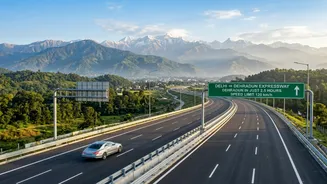
The Delhi-Dehradun Economic Corridor represents a significant leap forward in intercity travel, dramatically reducing the commute between these two vital
locations. Previously, a journey that could take up to six hours will now be completed in a mere 2.5 hours, thanks to the expressway's efficient design and accessibility. This transformative infrastructure project is poised to revolutionize how people travel for both leisure and business, fostering greater connectivity and accessibility across the region. The aim is to create a seamless and rapid transit experience, opening up new possibilities for economic and social interactions between Delhi and Dehradun.
Ecological Marvel Corridor
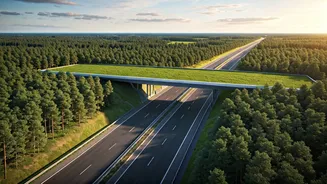
Recognizing the ecologically sensitive nature of the region, the Delhi-Dehradun Economic Corridor incorporates advanced design elements to ensure minimal disruption to wildlife and its habitat. A standout feature is the construction of an extraordinary 12-kilometer-long elevated wildlife corridor, anticipated to be one of the longest in Asia. This critical segment traverses the sensitive Rajaji National Park, situated within the Shiwalik Hills, an area renowned for its rich biodiversity. To further facilitate unhindered movement for animals, the expressway includes eight designated crossing points, two substantial elephant underpasses, each spanning 200 meters, and a 370-meter tunnel strategically placed near the Daat Kali temple, demonstrating a deep commitment to coexisting with nature.
Expressway Dimensions & Toll
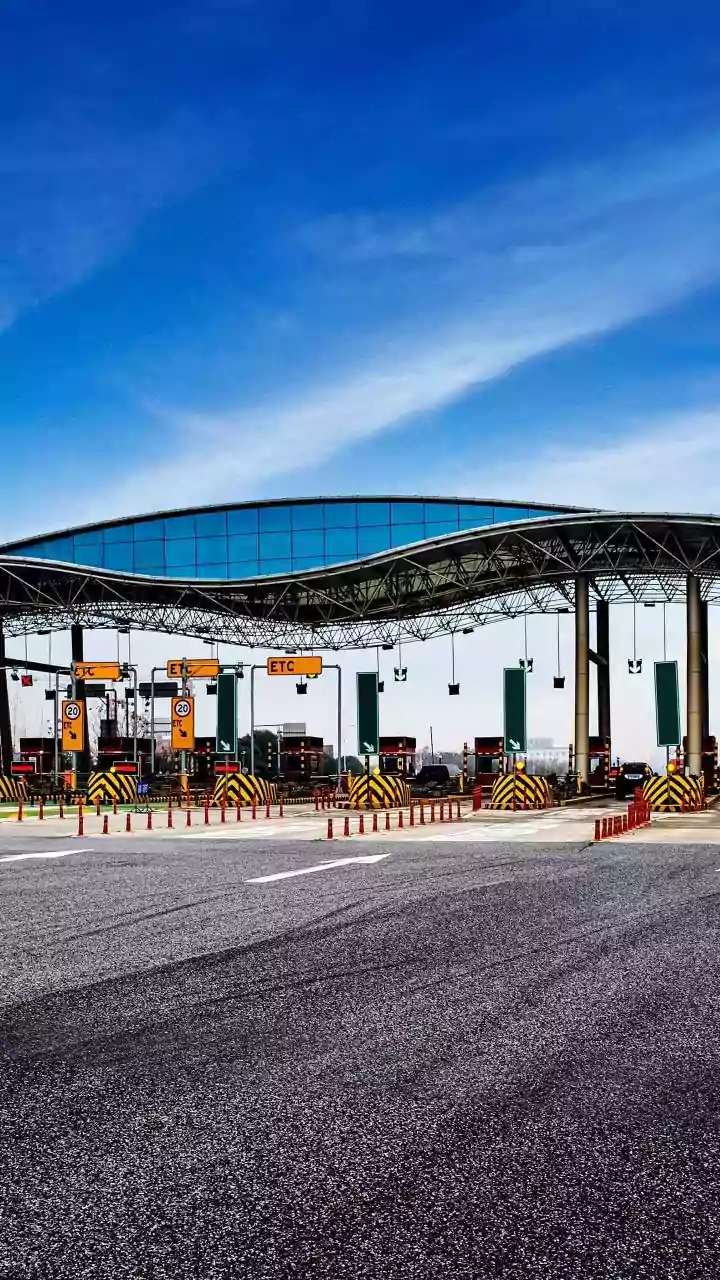
The Delhi-Dehradun Economic Corridor boasts an impressive total length of 213 kilometers, meticulously engineered to provide a high-speed link between the national capital and the Uttarakhand capital. For users equipped with a FASTag and an annual pass, the toll for a one-way journey across its four toll plazas is remarkably economical, amounting to just over Rs 60. This cost-effective pricing aims to encourage greater usage and make the expressway an accessible option for a wide range of travelers, further enhancing its role as a catalyst for regional development and connectivity.
Investment & Reach
Constructed at a substantial investment exceeding Rs 12,000 crore, the Delhi-Dehradun Economic Corridor is a six-lane, access-controlled marvel of modern engineering. This extensive roadway network spans across three key states: Delhi, Uttar Pradesh, and Uttarakhand, integrating them more closely. The project's scale reflects a significant commitment to improving national infrastructure and fostering economic growth by enhancing connectivity between important urban centers and tourist destinations. The investment underscores the strategic importance of this corridor in facilitating smoother transportation and trade.
Project Scope & Features
The overall development plan for the Delhi-Dehradun Economic Corridor is comprehensive, encompassing the creation of 10 crucial interchanges to ensure seamless traffic flow and accessibility. Additionally, the project includes three significant railway over bridges and four major bridges designed to facilitate smooth passage over natural barriers. To enhance traveler convenience, 12 wayside facilities are planned, offering essential services along the route. Furthermore, the expressway is equipped with an advanced Traffic Management System, incorporating state-of-the-art technology to bolster safety measures and optimize the overall travel experience for all users.
Phased Development Plan
The strategic planning and execution of the Delhi-Dehradun Economic Corridor have been meticulously organized into four distinct phases to ensure efficient construction and phased opening. The initial 31.6 km segment, stretching from Akshardham to Khekra near the Eastern Peripheral Expressway, primarily involved upgrading existing routes into a six-lane elevated road, complete with a parallel service lane. The second phase, a substantial 120 km stretch from the EPE interchange at Baghpat to the Saharanpur bypass, was developed entirely as a new greenfield project. Progress continued with the third phase, approximately 42 km from Saharanpur bypass to Ganeshpur in Uttarakhand, which has already reached completion. The final segment, covering about 20 km from Ganeshpur to Dehradun, comprises a 4.6 km upgraded portion, with the remaining section newly constructed.
Speed Regulations
To ensure both efficient travel and road safety, specific speed limits have been established for the Delhi-Dehradun Economic Corridor. For heavy vehicles such as trucks, the authorized speed limit is set at 80 kilometers per hour. Passenger cars and lighter vehicles are permitted to travel at a higher speed of 100 kilometers per hour. These regulations are crucial for managing traffic flow and minimizing the risk of accidents, ensuring a secure journey for all commuters utilizing this advanced transportation network.
Economic Impact Forecast
The Delhi-Dehradun Economic Corridor is anticipated to serve as a powerful engine for regional economic growth and development. By significantly improving connectivity between key tourist destinations and vital commercial centers, it is expected to stimulate increased visitor traffic and business activity. This enhanced accessibility will not only bolster existing industries but also pave the way for new trade opportunities and developmental projects, ultimately contributing to the overall prosperity and upliftment of the region it connects.