





LPG Price Shock
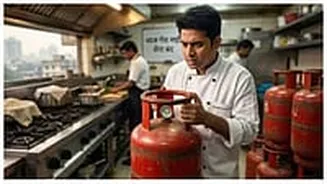
A substantial increase in the price of commercial cooking gas cylinders has created a crisis for hotels and restaurants in Andhra Pradesh. The Union Government's
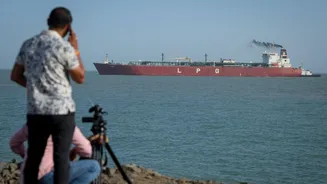
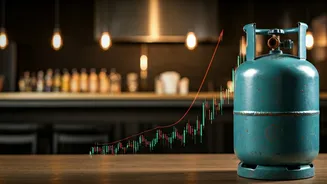
decision to raise the cost of a 19-kg LPG cylinder by a staggering ₹993, pushing the price close to ₹3,315 in major cities, has been attributed to escalating global energy prices, particularly influenced by ongoing conflicts in West Asia. This sudden and severe financial burden has left the hospitality sector with little recourse but to pass on a portion of these increased operational expenses to consumers. The association president highlighted that this recent hike, effective from May 1st, is part of a cumulative increase of approximately ₹1,303 in just the last three months, making it increasingly difficult for businesses to maintain their current pricing structures.
Rising Operational Costs
The impact of soaring energy prices extends beyond just LPG users; individuals and businesses utilizing Piped Natural Gas (PNG) are also feeling the financial strain due to fluctuations in the global energy market. For the hospitality industry, where gas serves as a fundamental fuel source for daily operations, these escalating costs are making day-to-day functioning unsustainable. This isn't the only challenge; hotels and restaurants are simultaneously confronting the rising prices of essential commodities. The cost of edible oils, particularly sunflower oil, has reached unprecedented levels. Furthermore, the prices of pulses and a variety of vegetables have also surged, compounding the financial pressure. Adding to this complexity is the increased cost of packaging materials, which are crucial for takeaway and delivery services, further inflating the overall operational expenses for these establishments.
Industry Plea & Consumer Understanding
In light of these severe financial pressures, the Andhra Pradesh Star Hotels Association is appealing to the government for urgent intervention. They are advocating for tax concessions or subsidies to help alleviate the burden on the hospitality sector and prevent potential business closures. The association also seeks understanding from their customers, recognizing that the decision to increase menu prices by up to 10% is a last resort. This measure is deemed necessary to ensure that hotels and restaurants can continue to operate and maintain the quality of service and food that patrons expect, despite the significant financial strain they are currently enduring. The hope is that a collaborative approach between the industry, government, and consumers can help navigate this challenging economic period.