








Fragrance and Skin
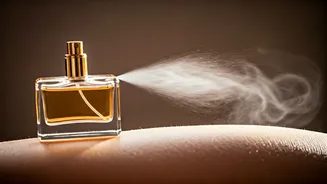
Perfumes, beloved for their captivating scents, typically consist of a blend of fragrant oils, alcohol, and various chemical compounds. The concentration
of these elements determines the intensity and longevity of the fragrance. When applied to the skin, these components can react differently depending on the individual and the skin type. Some people might experience irritation or allergic reactions due to specific ingredients in the perfume. The neck, being a sensitive area, is particularly vulnerable to adverse effects. The skin on the neck is often thinner and more prone to dryness compared to other body parts, making it more susceptible to external irritants. This heightened sensitivity raises concerns about repeated perfume application in this area.
Ingredients and Reactions
The ingredients within perfumes, especially the fragrance oils and alcohol, often trigger varied skin responses. Alcohol, a common carrier in perfumes, can cause dryness and irritation by stripping the skin of its natural oils. Fragrance oils, derived from natural or synthetic sources, contain hundreds of chemicals. Some of these can cause allergic contact dermatitis, leading to redness, itching, and rashes. Moreover, certain compounds, such as citrus extracts, increase photosensitivity, making the skin more vulnerable to sun damage when exposed to sunlight after perfume application. The neck is often exposed to the sun, making this a significant concern. People with sensitive skin or existing skin conditions, such as eczema, are at higher risk of experiencing adverse reactions. Patch testing, applying a small amount of perfume to a less sensitive area to assess its effects, can help determine if a fragrance suits the skin.
Neck Sensitivity Factors
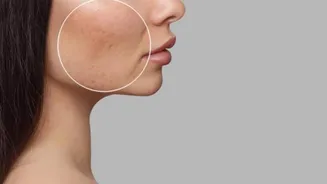
The delicate nature of the neck makes it a prime area for skincare concerns. The skin on the neck is generally thinner than the skin elsewhere, particularly on the arms or legs. This thinness means that the skin on the neck has less of a protective barrier and is more likely to absorb substances, including the chemicals present in perfumes. Additionally, the neck region is often subject to constant movement, which can lead to friction and further irritation. This, combined with the neck's frequent exposure to environmental factors like sun, wind, and pollution, heightens its susceptibility to dryness and damage. These factors contribute to the neck being more reactive, making it crucial to approach perfume application cautiously in this area. It's important to be mindful of how the skin feels and to stop using the product if any irritation is noticed.
Alternatives and Considerations
If you're concerned about applying perfume to your neck, several alternatives can minimize potential risks. One option is to spray perfume onto clothes, which can offer a fragrance without direct skin contact. Pulse points such as the wrists, behind the ears, or inside the elbows are other suitable locations. These areas emit more heat, helping to diffuse the scent. Ensure the perfume does not come into direct contact with the sun. Consider using fragrance-free moisturizers or unscented body lotions to hydrate and protect the skin before applying perfume. This can add a barrier between your skin and the fragrance. If you experience irritation, discontinue use and consult a dermatologist. Patch testing a new perfume before extensive application is also useful. Paying close attention to the ingredients and choosing perfumes that are hypoallergenic or formulated for sensitive skin could also provide some relief.
Making Informed Choices
The key to enjoying perfume safely is awareness. Understand your skin type and sensitivity levels. Be informed about the ingredients in your fragrances, and opt for products that have been tested and are known to be gentle. Consider the environment, such as the amount of sun exposure, when applying perfume. For instance, avoiding perfume application before going outside can reduce sun-related risks. Always listen to your skin. If irritation occurs, stop using the perfume immediately. Consulting a dermatologist can provide personalized advice and help in understanding skin reactions. Overall, a cautious approach, considering the type of perfume, application methods, and skin sensitivity, will allow you to continue enjoying fragrance while safeguarding your skin's health.