







FSSAI's New Directive
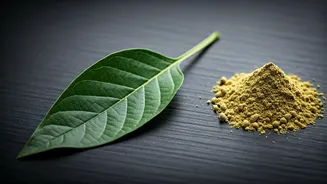
India's primary food regulator, the Food Safety and Standards Authority of India (FSSAI), has officially prohibited the inclusion of ashwagandha leaves
and any products derived from them in health supplements and nutraceuticals. This advisory stems from urgent safety considerations brought forth by the Union Ministry of Ayush. According to the FSSAI's Schedule IV, which governs food safety standards, only the roots of the ashwagandha plant and their corresponding extracts are sanctioned for use in food for special dietary purposes, health supplements, and nutraceutical formulations. The regulator has explicitly stated that the use of ashwagandha leaves, whether in their raw form, as an extract, or any other processed state, is not compliant with existing regulations. This clarification follows observations that some manufacturers have been incorporating ashwagandha leaves into their products, a practice now deemed impermissible under the established food safety framework. The FSSAI's move aims to ensure that products available to consumers adhere to strict safety and quality guidelines, focusing on well-researched and approved plant parts.
Understanding Ashwagandha's Popularity
Ashwagandha has surged in global recognition, largely propelled by its reputation as an adaptogen – a natural substance believed to help the body better manage stress and return to a state of equilibrium. It is frequently marketed as a supplement to enhance physical stamina and sexual well-being, with a particular focus on male consumers. This versatile herb is accessible in a myriad of forms, ranging from powders and capsules to liquid extracts. Historically, ashwagandha's therapeutic benefits have been harnessed primarily through its root. This part of the plant is traditionally employed to promote restful sleep, alleviate feelings of anxiety, boost energy reserves, and generally support an individual's vitality. Contemporary supplement manufacturers also tend to favor root extracts, as these have undergone more extensive study and are generally considered a safer option when consumed in appropriate dosages. The widespread appeal of ashwagandha underscores its perceived efficacy in various aspects of health and wellness, making this regulatory update particularly noteworthy for its users.
Risks Linked to Ashwagandha Leaves
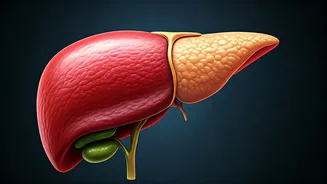
The FSSAI's advisory highlights that ashwagandha leaves contain significantly higher concentrations of certain reactive compounds, notably withaferin-A. These specific constituents are associated with potential health hazards, including adverse effects on the liver, known as liver toxicity. Consumers might also experience gastrointestinal discomfort or disturbances. Furthermore, there is a concern regarding potential neurotoxic effects, meaning harmful impacts on the nervous system. These risks are a primary driver for the regulatory body's decision to restrict the use of leaves. In contrast, the root, while still requiring careful dosage, is generally considered safer and better understood from a scientific perspective. The FSSAI's stance is predicated on scientific evidence and risk assessment, aiming to preemptively address safety issues before they impact a larger consumer base. The ban on leaves is a direct response to these identified risks, prioritizing consumer safety above all.
Regulatory Action and Consumer Guidance
Following the issued advisory, the FSSAI has mandated state food safety authorities to exercise stringent oversight and take decisive legal action against any food businesses found to be utilizing unapproved plant parts of ashwagandha. Moreover, companies are now required to provide explicit details on their product labels, clearly indicating which specific part of the ashwagandha plant has been used. This measure is intended to foster greater transparency and empower consumers to make informed choices about the products they purchase. For individuals currently using ashwagandha supplements, the immediate course of action is to carefully examine the product packaging. If the label specifies 'root extract' or a similar indication referring to the root, the supplement is likely compliant with the FSSAI's regulations. However, if the product lists 'leaf extract' or offers no clarity regarding the plant part used, consumers are advised to seek clarification from the brand directly or consider switching to a product that clearly communicates its sourcing.
Expert Perspectives on the Ban
Dietitians and health experts have weighed in on the FSSAI's ban, emphasizing that it is a targeted regulation, not a wholesale prohibition on ashwagandha. Consultant dietitian Garima Goyal clarified that the ban pertains to a specific part of the plant that was not officially endorsed for food applications. She reiterated that the root, the component traditionally used in Ayurvedic practices and the subject of most scientific research, remains entirely permissible for use. Goyal views the directive for manufacturers to clearly label the plant parts used as a positive development for consumers, ensuring they know precisely what they are ingesting. She also noted that while robust research supports the use of the root, potential risks like thyroid issues, low blood sugar effects, and liver toxicity have been associated with unregulated or high-dose ashwagandha consumption. The leaf extract, with its distinct and less-studied phytochemical composition compared to the root, presents a gap in safety data that regulators are responding to. This distinction is crucial for understanding the specific nature of the FSSAI's ruling.
Clarifying Ashwagandha's Status
Leading health professionals are keen to clarify that the recent FSSAI advisory does not imply that ashwagandha, as a whole, is unsafe for consumption. Instead, it is a plant-part-specific regulation designed to address identified safety concerns. Consultant dietitian Kanikka Malhotra emphasized that the root of the ashwagandha plant continues to be an acceptable ingredient, aligning perfectly with its historical and traditional uses in various wellness practices. The restriction placed on the leaves is a direct measure to mitigate potential health risks associated with their use. This distinction is vital for consumers to grasp; they can continue to benefit from ashwagandha products derived from the root, provided these products meet regulatory standards and clearly state their ingredients. The FSSAI's action is a refinement of existing guidelines to ensure that the popular adaptogen is used in ways that are both effective and, most importantly, safe for the public.