






Staying Cool Indoors
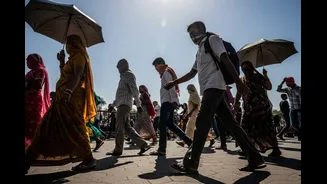
During periods of extreme heat, it is paramount to minimize exposure to direct sunlight. The safest strategy is to remain indoors or in shaded areas, especially
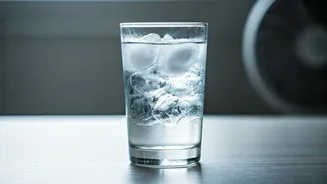
between the hottest hours of the day. If venturing outside is unavoidable, equip yourself with protective measures such as umbrellas, hats, or lightweight, light-coloured clothing that reflects sunlight. Opting for loose-fitting garments made from breathable fabrics like cotton will allow your skin to breathe and prevent heat from accumulating. Conversely, avoid dark, synthetic, or tight clothing, as these materials tend to trap heat and exacerbate discomfort. Maintaining a cool indoor environment is also key; use curtains to block out the sun's rays, utilize fans, air conditioners, or coolers, and ensure adequate ventilation. Keeping indoor plants can also contribute to a cooler atmosphere. Regular cool baths or sponging can offer immediate relief and help regulate body temperature.
Hydration and Nutrition
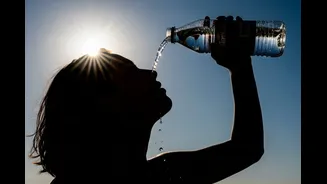
Staying adequately hydrated is a cornerstone of heatwave safety for everyone, particularly for vulnerable groups like children and pregnant women. It's crucial to drink water consistently, even before you feel thirsty, as thirst is often an indicator that dehydration has already begun. Beyond plain water, incorporating fluids like fresh fruit juices, lemon water (nimbu pani), or oral rehydration solutions (ORS) can be beneficial, especially if there's excessive fluid loss. The diet should emphasize water-rich foods. Consuming fruits such as watermelon and cucumber, along with citrus fruits like oranges and lemons, can significantly contribute to your fluid intake while also providing essential nutrients. These foods help replenish electrolytes and keep the body cool from the inside out, making them ideal choices during hot weather.
Recognizing and Responding
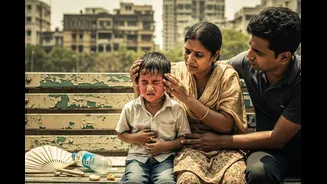
It's vital to be aware of the signs of heat stress and know how to respond effectively. Symptoms can range from dizziness and fatigue to more severe conditions like heat exhaustion and heatstroke. If you notice someone exhibiting these signs, the immediate action is to move them to a cooler environment, away from the heat. Loosen any restrictive clothing and gently sponge their body with cool water or apply ice packs if available to help lower their temperature. Should symptoms be severe or persist, prompt transportation to the nearest healthcare facility is essential. Special vigilance is required for children, the elderly, and pregnant women, as they are at a higher risk of developing serious complications from heat-related illnesses.
Critical Don'ts to Heed
Certain actions must be strictly avoided during heatwaves to maintain safety. Limit any outdoor excursions between 12 noon and 3 pm, as this is typically the period of highest solar intensity. Engaging in strenuous physical activities or heavy labour during extreme heat significantly increases the risk of dehydration and heat-related ailments; outdoor workers must take frequent breaks and prioritize hydration. Avoid beverages that can contribute to dehydration, such as alcohol, strong tea, coffee, and sugary carbonated drinks. A critical rule, particularly for safeguarding children, is to never leave them unattended in parked vehicles, as interior temperatures can rise to dangerous levels very rapidly. Similarly, avoid wearing non-breathable clothing like dark or synthetic materials that can trap heat and impede air circulation.
Pregnancy and Extreme Heat
Pregnant women represent a particularly vulnerable demographic during intense heatwaves, facing heightened risks for both maternal and fetal well-being. Elevated temperatures coupled with inadequate hydration can unfortunately lead to complications such as low birth weight, premature birth, and in the most severe scenarios, stillbirth. For the mother, extreme heat can exacerbate existing conditions or trigger new ones, including gestational diabetes and hypertension, and may even increase the likelihood of early labour. Therefore, expectant mothers must adopt extra precautionary measures. This includes scheduling medical appointments and daily chores during cooler parts of the day, seeking out cooler sleeping environments, and ensuring consistent hydration and regular rest breaks throughout hot days.