





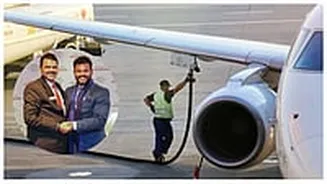

Fuel Tax Cut
In a move designed to offer considerable relief to the Indian aviation industry, the government of Maharashtra has enacted a significant reduction in the Value
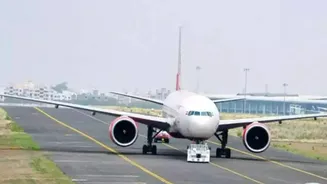
Added Tax (VAT) levied on aviation turbine fuel (ATF). Previously set at 18%, the VAT has been brought down to a much more manageable 7%. This pivotal change, announced via a notification from the state's finance department, officially took effect on May 15, 2024. The intention behind this substantial tax cut is to ease the financial pressures currently being experienced by airlines. These carriers are navigating a complex economic landscape characterized by escalating operational expenses, global economic uncertainties, and consistently high aviation fuel prices. The reduced tax burden is expected to translate into lower fuel expenditures for airlines that operate within Maharashtra's airspace and airports. This initiative underscores the state's commitment to supporting a vital sector of the economy.
Impact on Airlines
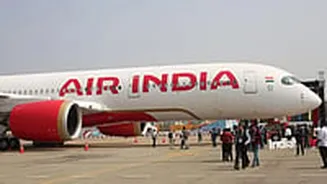
The significant 11-percentage-point decrease in VAT on jet fuel by the Maharashtra government is poised to make a tangible difference in the financial health of airlines. Fuel costs represent one of the largest expenditures for Indian carriers, often accounting for a substantial portion, between 35% and 40%, of their total outlays. This tax reduction arrives at a critical juncture, as airlines are already grappling with the twin challenges of elevated aviation fuel prices and the complexities introduced by longer flight routes and airspace restrictions. These latter issues are often exacerbated by geopolitical tensions, particularly those emanating from the Middle East, which can disrupt supply chains and increase operational risks. By lowering the VAT on ATF, the Maharashtra government is directly addressing a major cost component, providing a much-needed buffer that could potentially lead to improved operational efficiency and greater financial stability for the airlines.
Governmental Initiatives
This recent tax adjustment by Maharashtra is part of a broader, coordinated effort involving the Ministry of Civil Aviation and various state governments to address the financial strain on the aviation sector. Reports indicate that the Ministry had engaged in separate discussions with several states, including Delhi, Tamil Nadu, West Bengal, and Maharashtra, to advocate for reduced taxes on aviation fuel. These discussions were particularly timely given the supply-chain disruptions and price volatilities stemming from the conflict in West Asia. In comparison, states like Tamil Nadu currently impose some of the highest VAT rates on ATF at 29%, while Delhi levies 25%. Maharashtra's decision to lower its rate from 18% to 7% represents a considerable step towards a more uniform and supportive tax regime across the country. The Union Minister for Civil Aviation, Ram Mohan Naidu Kinjarapu, has been vocal about the challenges faced by the sector, including airspace closures and fluctuating fuel prices, and has been actively encouraging states to reconsider their VAT structures on ATF.
Future Implications
The period of validity for this reduced VAT rate, extending from May 15, 2024, to November 14, 2026, signifies a strategic commitment by the Maharashtra government to provide sustained support to the aviation industry. This nearly two-and-a-half-year window offers airlines a predictable environment to plan their finances and operations, potentially encouraging new investments and route expansions. The long-term implications of such tax reforms could extend beyond individual airline profitability, influencing the overall growth trajectory of air travel within India. By alleviating a significant cost burden, the government's action may also foster greater competition among carriers, potentially leading to more competitive airfares for consumers. Furthermore, a healthier aviation sector contributes significantly to economic development, facilitating trade, tourism, and connectivity across the nation. The proactive stance taken by Maharashtra serves as a potential model for other states looking to bolster their regional economies through support for key industries.