




Initial Dust Removal
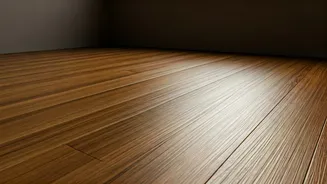
Before diving into a deep clean, it's crucial to thoroughly remove loose debris from your hardwood floors. This initial step prevents dirt from being ground
into the wood during subsequent cleaning. Experts advise using a dust mop, a soft-bristled broom, or a vacuum cleaner equipped with a hard floor attachment. For best results, clear the room of furniture if possible, allowing you to reach every inch of the floor surface. This comprehensive dust removal ensures that your deeper cleaning efforts focus on embedded grime rather than superficial dirt.
The Damp Mop Technique
The key to deep cleaning hardwood without causing damage lies in the moisture level of your mop. Flooring experts strongly recommend using a microfiber mop that is only slightly damp. This prevents excess water from saturating the wood, which can lead to warping or damage to the finish. Prepare a cleaning solution by mixing warm water with a product specifically designed for hardwood floors, or a few tablespoons of dish soap. Dip your mop into the solution and wring it out thoroughly until it feels barely moist. Work in small sections, gently mopping the floor.
Drying for a Streak-Free Finish
Crucially, after mopping each small section, immediately follow up with a dry mop or a clean microfiber cloth. This step is vital for absorbing any residual moisture and preventing the formation of unsightly water spots or streaks. By drying as you go, you ensure that the wood does not sit in water for any extended period, safeguarding its integrity and finish. Completing this drying process after each section will leave your hardwood floors looking exceptionally clean and brilliantly polished.
Preventative Upkeep Strategies
To minimize the frequency of deep cleaning, consistent upkeep is essential. Experts emphasize adopting a shoe-free policy indoors, as shoes track in a significant amount of dirt and can even cause dents. Regular sweeping or vacuuming is also a must to prevent dust and grime build-up. Strategically placed doormats at all entry points will trap dirt before it enters the main living areas. Furthermore, storing wet shoes on a rubber mat or in a different room, like the garage, prevents water damage to hardwood floors.
Rugs and Pet Protection
Incorporating rugs, especially in high-traffic zones, acts as a protective layer, shielding your hardwood floors from scratches and wear and tear. For pet owners, trimming nails regularly is paramount to prevent scratching. Additionally, using pet beds or blankets can help keep pets off the hardwood surfaces. Promptly addressing any pet messes is critical; immediate cleanup prevents liquids from seeping into the wood and causing stains or damage.
Tackling Stubborn Stains
When faced with stains, acting quickly is the most effective approach. For water spots, a paste made from baking soda and a small amount of water, gently applied with a soft cloth, can often lift the mark. Oil-based stains, such as cooking grease, typically respond well to a dab of dish soap mixed with water on a damp cloth. Always avoid aggressive scrubbing, as this can damage the floor's finish. If a stain persists, consider using a hardwood-specific cleaner, but always test it in an inconspicuous area first to ensure compatibility with your floor's finish.