
Understanding Banana Ripening
Bananas undergo a fascinating transformation as they ripen, a process driven primarily by the release of ethylene gas. Ethylene is a natural plant hormone
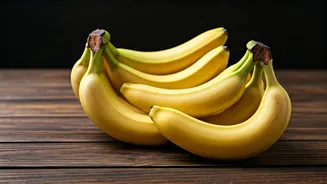
that triggers the breakdown of starches into sugars, leading to the sweet flavor we associate with ripe bananas. The peel color also changes, from green to yellow, and eventually to brown as the fruit ripens further. Temperature plays a crucial role; warmer environments accelerate the process, while cooler temperatures slow it down. The stage of ripeness affects both taste and texture; unripe bananas are starchy, while overripe bananas become soft and mushy. Understanding these basic principles allows for better control of the ripening process, ensuring the bananas are at their prime when you desire them.
Accelerating Ripening Quickly
When you need bananas to ripen quickly, several methods can speed up the process. The most effective involves placing bananas in a paper bag. Paper bags trap ethylene gas, increasing its concentration around the fruit and accelerating ripening. Adding a ripe banana to the bag further boosts the ethylene levels. Another effective method is to place the bananas near a source of warmth. This can be anything from a sunny window to a spot near a heater; the increased temperature quickens the ripening process. For an even quicker approach, you can bake the bananas in the oven. The oven is set to a low temperature and monitored carefully to prevent overcooking. These methods help convert starches to sugars rapidly, making the bananas sweeter and softer, perfect for immediate consumption or cooking.
Slowing Down the Ripening
To prolong the shelf life of your bananas, certain steps can slow down the ripening. The refrigerator is the go-to method for extending the banana's freshness. The cool temperature slows down ethylene production, delaying the starch-to-sugar conversion. However, refrigerating whole bananas can change their texture and color, making the peel turn brown. Wrapping the banana stems in plastic wrap is another technique. This prevents ethylene from escaping from the stem area, slowing down the ripening process. Separating bananas from each other is another essential step. This prevents the faster ripening of one banana from affecting the others. Proper storage and understanding how each of these methods works will significantly extend the time you can enjoy your bananas.
Optimal Storage Techniques
Proper storage is crucial for maintaining banana quality. For ripe bananas that you want to keep fresh for a few days, the best approach is to store them at room temperature, away from direct sunlight. The key is to keep them separate from other fruits that emit ethylene. To store cut bananas or peeled bananas, placing them in an airtight container in the refrigerator is recommended. This minimizes oxidation, which causes browning. You can also freeze bananas for longer storage. They can be frozen whole (with the peel) or sliced, in an airtight container or freezer bag. Frozen bananas are perfect for smoothies or baking. Understanding these storage techniques helps in keeping bananas from going bad too fast and ensures you have fresh bananas when you want them.