
Infrastructure: Building Blocks
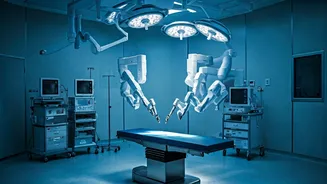
Medical colleges in India often thrive because of their robust infrastructure. These institutions usually boast well-equipped laboratories, modern classrooms,
and extensive libraries, which are critical for effective learning and research. Furthermore, hospitals associated with these colleges provide practical training grounds for students, offering exposure to a wide range of medical cases. The quality of infrastructure is a key factor influencing the overall learning environment and the quality of healthcare graduates produced by these colleges. This focus on strong infrastructure is central to the success of India's medical colleges.
Faculty: Mentoring Minds
The quality of the faculty is another pivotal element. Medical colleges usually attract experienced and knowledgeable professors and doctors who are experts in their fields. These educators are responsible for imparting theoretical knowledge and practical skills through lectures, clinical sessions, and research guidance. A strong faculty can significantly shape a student's learning experience and career trajectory. The best medical colleges often have professors who are not only educators but also active researchers and clinicians, ensuring that students get exposure to the latest advancements in medicine and healthcare practices. Mentorship from highly skilled faculty can significantly impact the quality of the education received.
Research: Innovation Hubs
Research activities are very important for the overall development of medical colleges in India. Many colleges actively engage in medical research, contributing to advancements in healthcare. These research endeavors often involve exploring new treatment methods, developing diagnostic tools, and studying various diseases prevalent in the Indian population. The involvement in research allows medical colleges to stay at the forefront of medical knowledge and provide their students with opportunities to engage in cutting-edge investigations. Furthermore, research output can improve a college's standing and reputation, attracting better students and collaborations.
Curriculum: Evolving Practices
The curriculum is constantly evolving to reflect the latest developments in medical science. Medical colleges in India continuously update their courses to meet global standards and address emerging health issues. This can include incorporating new technologies, updating teaching methodologies, and including interdisciplinary approaches to healthcare education. The ability to adapt to changes in the healthcare landscape is a key indicator of a medical college's quality and its commitment to preparing students for the challenges they will face in their medical careers. Updated and relevant curriculum ensures that medical professionals are well-equipped.
Admission: Competitive Landscape
Admission to medical colleges in India is often highly competitive. Prospective students must usually pass rigorous entrance exams, such as the NEET (National Eligibility cum Entrance Test), to secure a place. The selection process considers academic performance, entrance exam scores, and sometimes, the candidate's personal background. This competitive environment fosters a high-caliber student body, ensuring that the future doctors are those with the aptitude and drive to excel in their field. The demand for medical education often reflects the importance placed on healthcare in India, making the admissions process a critical first step.
Placement: Career Prospects
The placement records of medical colleges indicate the success of their students. Reputable colleges often have high placement rates, with graduates securing jobs in hospitals, clinics, and research institutions across India and internationally. Many colleges work to create relationships with various healthcare providers, offering students internship and job opportunities. Placement services often provide career counseling, helping students to navigate their future career paths. A strong placement record usually enhances a college's reputation and attracts prospective students. Successful placement outcomes suggest that these colleges are providing the right skills and knowledge.
Challenges: Overcoming Obstacles
Medical colleges in India face various challenges. These can involve funding constraints, infrastructure maintenance, and the need to retain qualified faculty. Other challenges include adapting to rapidly changing medical technologies and providing adequate clinical training opportunities. Addressing these issues can involve government support, private investment, and institutional reforms aimed at creating better learning environments. Overcoming these challenges is crucial for sustaining the quality of medical education and ensuring that India's healthcare system remains robust and prepared for the future. Constant evaluation and improvements are essential for a good medical college.
Trends: Shaping the Future
Several trends are currently shaping the landscape of medical colleges. These include the growing emphasis on digital learning technologies, the rise of specialized medical courses, and increasing collaborations between colleges and industry partners. The integration of telemedicine, AI, and other innovative technologies into medical education is becoming increasingly prevalent. Furthermore, there is a growing focus on interdisciplinary approaches that blend medical science with fields such as engineering, data science, and public health. Adapting to these trends will be important for medical colleges to remain competitive and relevant in the evolving healthcare sector.