




Flyover's Significance Explained
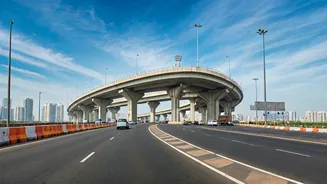
The Mira-Bhayandar flyover serves as a critical infrastructural component, vital to the connectivity of the region. This particular flyover is part of a larger
network designed to streamline traffic flow and ease congestion within the Mumbai Metropolitan Region. Its existence underscores the ongoing efforts to modernize and improve transportation networks, facilitating the movement of people and goods, and fostering economic activity in the area. The flyover's role, therefore, transcends mere convenience; it's a piece of the infrastructure's backbone, ensuring the smooth functionality of the urban environment.
Lane Width Transitions
The narrowing from four lanes to two on the Mira-Bhayandar flyover demands an explanation. This transition is usually engineered by space limitations, possibly due to geographical constraints or infrastructural considerations during the construction process. The reduction in lane width necessitates drivers' increased vigilance and adherence to traffic regulations, especially during peak hours. Furthermore, the abrupt shift in lane numbers often introduces a bottleneck effect, potentially leading to congestion. Understanding the reasoning behind this design choice is crucial for drivers so that they can adapt their driving habits accordingly.
Reasons Behind the Shift
The narrowing on the flyover is mainly a result of engineering constraints related to geographical limitations or financial restrictions. Construction designs frequently encounter unavoidable obstacles, such as the location of existing infrastructure or the presence of specific geographic features. Also, cost limitations can sometimes affect the scope of infrastructure projects. The initial plans may call for a broader layout, but budget cuts can result in alterations that impact design features like lane widths. Consequently, the lane reduction on the Mira-Bhayandar flyover represents a compromise between efficient traffic flow and the practical limitations faced during its construction and operation.
Future Widening Plans
Long-term solutions often include plans to widen the flyover. These future projects aim to alleviate congestion and improve overall traffic flow. Expansion often involves land acquisition, thorough environmental studies, and detailed planning phases. Such ventures require careful consideration of existing infrastructure, minimizing disruption to the public, and adherence to environmental guidelines. These projects represent a proactive approach to enhancing transportation infrastructure, ensuring that the flyover is capable of handling increasing traffic volumes. It reflects a commitment to the region's long-term needs and the safety of its citizens.
MMRDA’s Response Explained
The Mumbai Metropolitan Region Development Authority (MMRDA) is the key authority responsible for overseeing and managing infrastructure projects like the Mira-Bhayandar flyover. Their actions include designing, constructing, and maintaining the infrastructure to ensure its safety and efficiency. MMRDA typically responds to public inquiries and traffic concerns, providing updates on project progress. Their response to the public and the media would clarify the rationale behind lane configurations and any future developments. Transparency and clear communication are generally essential elements of MMRDA's approach, keeping the public well-informed about the ongoing transportation infrastructure projects within the region.
What Happens Next?
As the flyover remains in use, drivers should anticipate potential bottlenecks at the lane narrowing points. Regularly updated information on traffic conditions, possible diversions, and construction updates will be made available. Those who commute via this flyover should always stay vigilant and prepared for changes, regularly checking for any official updates from MMRDA or local traffic authorities. This proactive approach will help drivers and commuters navigate the flyover safely and with minimal disruption. It will also reduce unnecessary delays and enhance the overall driving experience.