
Pre-Covid Peaks
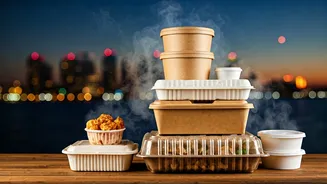
The Indian food delivery market has shown remarkable resilience, with order volumes mirroring those seen before the COVID-19 pandemic. Zomato's CEO, Deepinder
Goyal, announced this positive development, signifying a substantial recovery for the sector. Initially, the pandemic brought about significant challenges for the food delivery industry, including lockdowns, restrictions on restaurant operations, and a shift in consumer habits. However, as conditions evolved and people became accustomed to the 'new normal,' there was a notable resurgence in demand for online food ordering and delivery services. The shift was primarily driven by the convenience of having food delivered to one's doorstep, which also catered to the health and safety concerns consumers had. This shift allowed businesses like Zomato to adjust their strategies, ensuring that the services remained viable by adapting to shifting consumer demand.
Driving Factors Examined
Several factors have propelled the rebound of food delivery services. One significant element is the growing use of smartphones and high-speed internet, which has increased the accessibility and ease of online ordering for a broad demographic. Furthermore, the convenience of the service has appealed to busy individuals and families, who appreciate the time saved. Another important factor is the wide variety of restaurants and cuisines available on platforms such as Zomato, catering to a diverse set of tastes and preferences. The competitive landscape, which consists of aggressive pricing, discounts, and promotional offers, has also contributed to an increase in demand. As a result, the food delivery ecosystem adapted to the circumstances, with a focus on safety and ensuring customers felt secure. These changes helped to rebuild consumer confidence and propel the industry forward again, and further solidifying its presence in the Indian market.
Pandemic's Impact
The COVID-19 pandemic, despite causing initial disruption, ultimately accelerated the adoption of food delivery services. While early stages saw restrictions on operations, consumer behaviors eventually adapted. Lockdowns drove consumers towards online platforms as restaurants had limited operations. Delivery services became an essential alternative for people. The pandemic drove a new demand for doorstep delivery, thus increasing the popularity of platforms such as Zomato. Companies needed to adapt to changing safety protocols, including contactless delivery. Restaurants had to re-evaluate their strategies, and focus more on online presence and delivery services. The pandemic significantly altered the business landscape and boosted the food delivery sector, enhancing its relevance to the daily lives of Indian consumers. The impact emphasized the flexibility and resilience of these services.
Future Market Trends
The future of the food delivery market in India seems positive, given current patterns. With the increasing adoption of smartphones, the market is poised for continued growth. The population's changing habits, along with the convenience of ordering food online, will drive demand for food delivery services. Further, technology will have an important role in shaping the market. Advancements, like AI and data analytics, will optimize delivery operations and personalize the consumer experience. The potential is further bolstered by the expansion into tier 2 and tier 3 cities, which will expand the market's reach. The food delivery industry will likely grow, with businesses adapting to offer more diverse services and improving efficiency. The industry will continue evolving by incorporating changing market trends and customer requirements, which will lead to a more dynamic and competitive landscape.