






Embrace Smart Planning
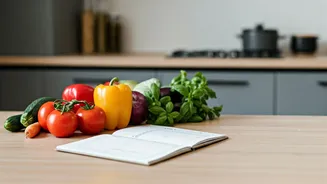
The key to sidestepping cooking fatigue lies in proactive planning. Dedicate a small portion of your week, perhaps an hour on a weekend, to map out your meals
for the upcoming days. This doesn't mean rigidly adhering to every single meal, but having a framework will significantly reduce last-minute scrambling. Consider theme nights – 'Taco Tuesday' or 'Pasta Thursday' – to simplify choices. When planning, think about ingredients that can be used in multiple dishes to minimize waste and shopping trips. For instance, a batch of roasted chicken can become the star of a salad one day and a filling for wraps the next. Don't forget to account for leftovers; they can be a lifesaver for quick lunches or impromptu dinners. Involving family members in the planning process can also foster a sense of shared responsibility and uncover new meal ideas you might not have considered otherwise, making the entire endeavor more collaborative and less burdensome.
Prep Like a Pro
Maximizing your kitchen efficiency involves strategic preparation. Dedicate a block of time, often called 'prep day,' to tackle tasks that can be done ahead of time. This might include chopping vegetables, marinating meats, or even cooking grains like rice or quinoa. Pre-portioned ingredients for specific meals can be stored in airtight containers, ready to be tossed into a pan or pot when needed. Consider 'component cooking,' where you prepare versatile elements like a large batch of tomato sauce or cooked lentils that can be incorporated into various recipes throughout the week. This approach significantly slashes down the active cooking time on busy weeknights. Furthermore, investing in good quality storage containers and labeling them clearly will ensure that your prepped ingredients stay fresh and are easily identifiable, streamlining your cooking process immensely and making those weeknight meals a breeze.
Simplify Your Menu
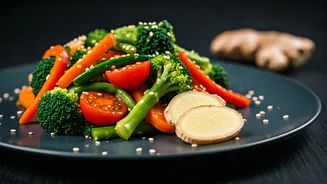
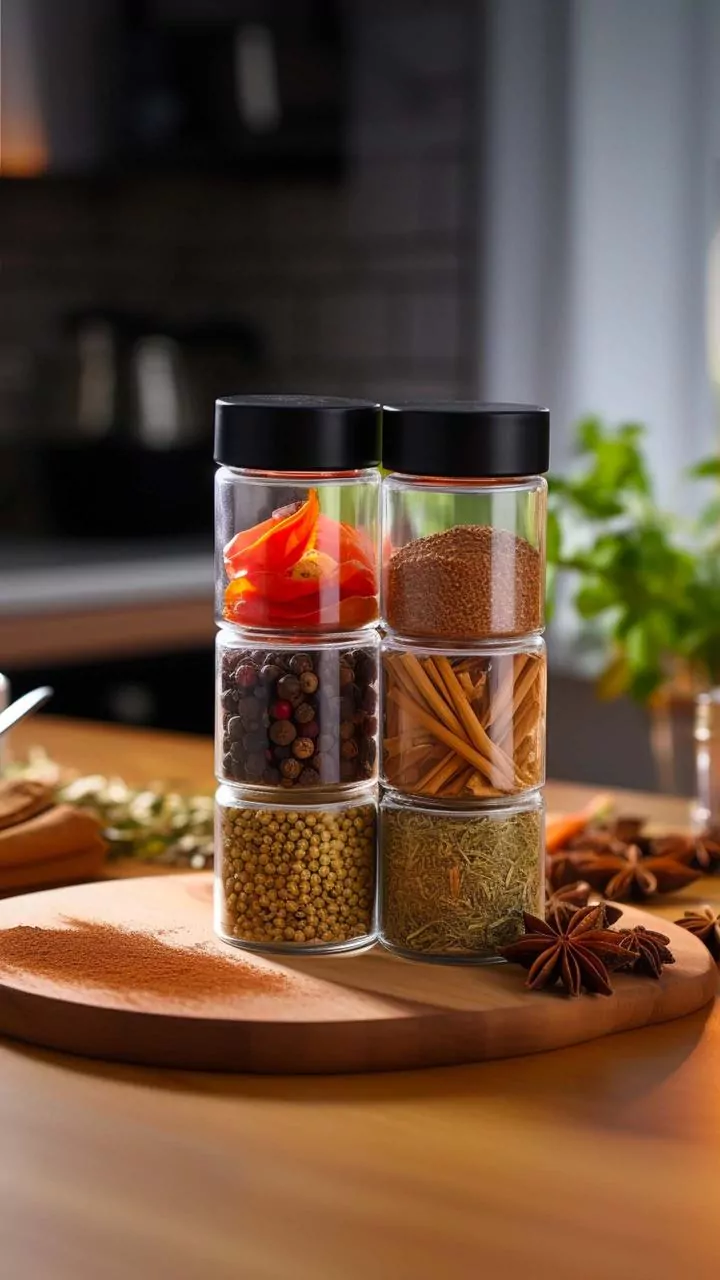
Overly complicated recipes are a frequent culprit behind cooking burnout. Opt for simpler, unfussy dishes that deliver on flavor without demanding excessive time or a pantry full of exotic ingredients. Focus on recipes with fewer steps and readily available components. Think one-pot meals, sheet pan dinners, or quick stir-fries that can be assembled in under 30 minutes. Don't underestimate the power of basic seasonings and fresh herbs to elevate even the most straightforward dishes. Another effective strategy is to build a repertoire of go-to meals – a handful of dishes you can prepare confidently and quickly. Rotating these favorites ensures variety while keeping the mental load of deciding what to cook to a minimum. Embracing this minimalist approach to your menu will not only save you time but also reduce stress, allowing you to enjoy the act of cooking more.
Batch Cook Wisely
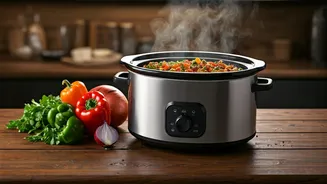
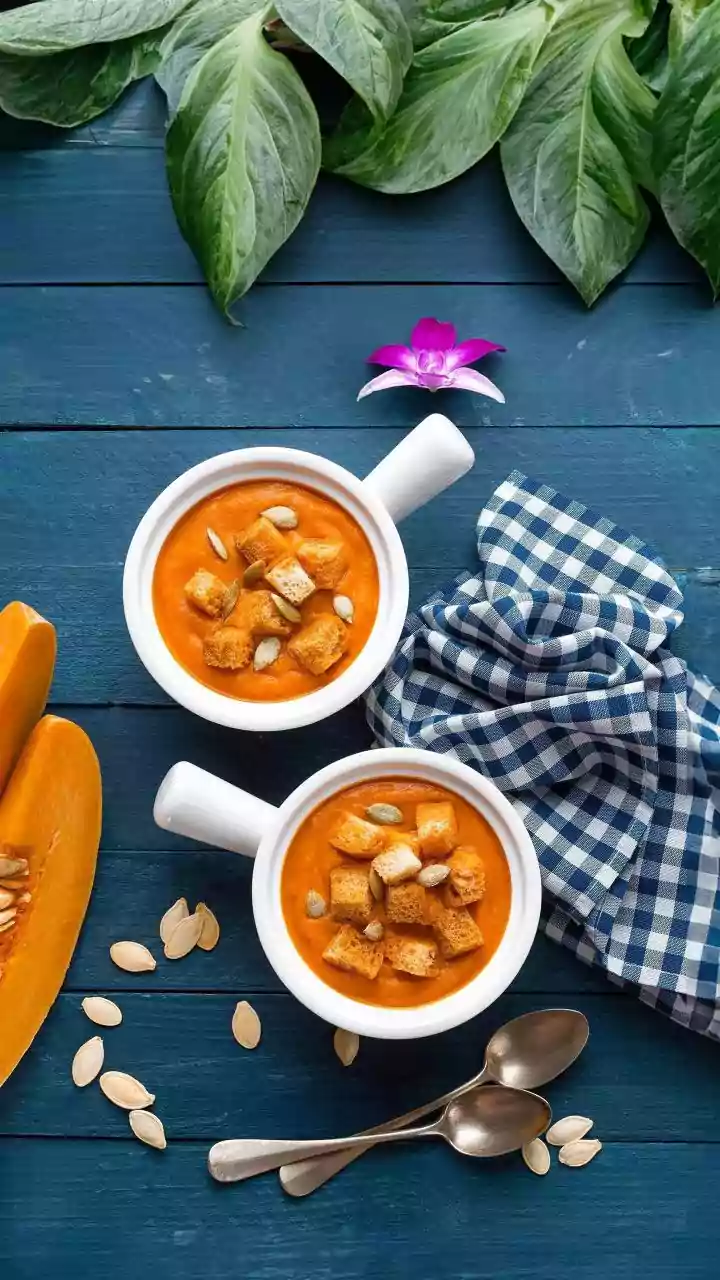
Batch cooking, or cooking larger quantities of food to be consumed over several days, is an invaluable tool against kitchen fatigue. Instead of cooking a full meal every single night, dedicate a few hours once or twice a week to prepare foundational elements or complete dishes. For instance, a large pot of chili or a hearty soup can be made and then portioned for multiple meals. Similarly, cooking a big batch of grains like rice or quinoa, or a protein like chicken breasts or lentils, provides a versatile base for various dishes throughout the week. This allows you to assemble quick meals by combining these pre-cooked components with fresh vegetables or sauces. Properly storing these pre-made meals in the refrigerator or freezer ensures you always have a healthy, home-cooked option readily available, significantly reducing the daily pressure to cook from scratch.