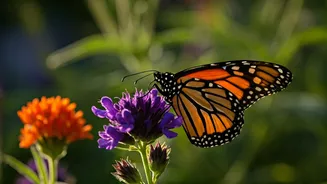







Planting for Nectar
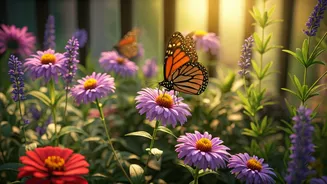
To entice butterflies to your balcony, the key is selecting plants that continuously provide ample nectar. Opt for flowers with easily accessible blooms,
as these offer a readily available energy source for these delicate creatures. Varieties like Lantana, Marigold, and Zinnia are excellent choices because they are well-suited for container gardening and offer a consistent supply of nectar. Their open flower structures make it simple for butterflies to feed, encouraging them to visit and linger. When choosing plants for pots, prioritize those known for their prolonged blooming periods, ensuring a steady stream of nourishment throughout the season. This thoughtful selection turns your balcony into a reliable feeding station, drawing in more winged visitors.
Essential Host Plants
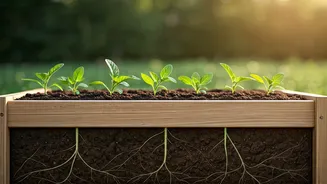
While nectar is crucial for attracting butterflies, it's not enough to make them stay. Butterflies also require specific host plants where they can lay their eggs and where their offspring, the caterpillars, can find sustenance. Including plants such as milkweed and parsley is vital for creating a complete habitat. Without these host plants, butterflies might visit your balcony, but they won't establish a presence or reproduce. The combination of nectar-rich flowers and essential host plants transforms your balcony from a mere pit stop into a sustainable and appealing environment for butterflies, encouraging them to return and thrive.
Strategic Arrangement
The way you arrange your plants significantly impacts how attractive your balcony is to butterflies. Instead of spacing plants out evenly, grouping them into clusters is far more effective. This clustering makes it easier for butterflies to find food sources without expending excessive energy. Imagine a butterfly navigating your balcony; a collection of blooms offers a more inviting and less overwhelming landscape. Furthermore, arranging plants by height, with taller ones positioned at the back and shorter ones towards the front, creates a visually appealing and functional layout. This thoughtful arrangement not only enhances the visual appeal but also optimizes the feeding experience for your butterfly guests, making them feel more comfortable and inclined to stay longer.
Water and Shelter
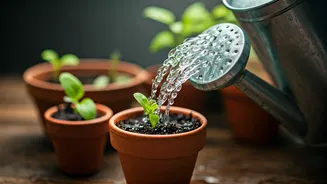
Beyond food, butterflies need water and shelter to feel secure and comfortable. A simple yet effective way to provide water is by placing a shallow tray filled with damp soil on your balcony. This serves as a resting spot and a source of essential minerals. During warm weather, when natural water sources might be scarce, such a setup becomes invaluable. Shelter is equally important; butterflies need safe places to rest. You can create this by incorporating taller plants or densely planting container arrangements to offer protection from wind and predators. Consider incorporating a vertical garden using hanging planters or rail boxes to add different levels for plants, which can further enhance shelter and food availability. A well-sheltered environment encourages butterflies to view your balcony as a safe haven.
Chemical-Free Haven
Crucially, to ensure a thriving environment for butterflies and their delicate life cycles, it is imperative to avoid all chemical pesticides. Even the slightest trace of these substances can be detrimental to butterflies and caterpillars. Embracing an organic approach not only supports the health of your plants but also safeguards the well-being of your intended visitors. Opt for natural pest control methods and organic fertilizers to maintain a safe and vibrant space. This commitment to a chemical-free environment guarantees that your balcony remains a welcoming and safe sanctuary for butterflies throughout the year, fostering a healthier ecosystem on your small urban patch.
Continuous Blooms
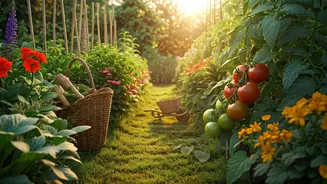
To keep your balcony abuzz with activity throughout the year, it's essential to plan for continuous flowering. This means selecting a diverse range of plants that bloom at different times. As one plant finishes its cycle, another should be ready to take its place, ensuring a constant supply of nectar. This strategic planting approach mirrors what pollinators need most: a reliable food source that isn't limited to a single season. Research indicates that consistent access to floral resources plays a significant role in supporting butterfly populations. By ensuring that there's always something in bloom, you significantly increase the likelihood that butterflies will not only visit but also establish your balcony as a regular destination.