
Gold's Subtle Adjustments
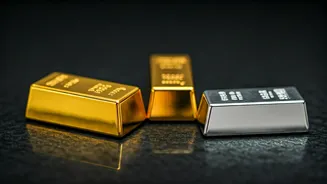
Gold prices in the Indian market have shown minor downward adjustments. In recent trading sessions, the price dipped by ₹10, settling at figures such as
₹1,43,770, ₹1,43,390, and ₹1,43,610. These small decreases signal a period of slight decline for gold, reflecting the interplay of international and domestic market conditions. These shifts are influenced by various global economic events and trading dynamics. It's crucial to acknowledge how such subtle movements impact market sentiment and investor behavior, shaping the overall outlook for the precious metal in the region.
Silver's Price Movements
Silver, another important precious metal, also witnessed fluctuating prices. It experienced drops of ₹100, with trading values around ₹2,94,900, ₹2,91,900, and ₹2,95,100, displaying a pattern of minor ups and downs. These movements highlight the volatility within the silver market, possibly driven by external factors such as global economic indicators and investor sentiment. The fluctuating prices of silver reflect the ever-changing nature of the market, where various elements contribute to frequent price adjustments. These fluctuations underscore the complex dynamics impacting precious metals.
External Influences Impact
The price trends of gold are influenced by broader economic factors, including the strength of the US dollar and changes in global economic tensions. Strong economic data from the US and easing tensions, such as those involving Iran, can diminish the demand for gold as a safe-haven asset, which contributes to price reductions. Conversely, geopolitical uncertainties or economic concerns elsewhere tend to push investors toward gold, increasing its price. Therefore, these external elements play a critical role in shaping the demand and price dynamics for gold in India and worldwide. The shifts reflect how international events and economic performance have a direct impact on the Indian market.
Market Dynamics at Play
The fluctuations in both gold and silver prices are influenced by a complex interplay of market dynamics, including trading volumes, investor confidence, and the availability of the metals in the market. Changes in these factors affect supply and demand, which directly impacts prices. For instance, increased trading activity can boost prices as buying interest rises. Simultaneously, changes in investor sentiment, influenced by economic reports, geopolitical risks, and even market speculation, can affect how investors approach precious metals. Overall, a thorough understanding of these market forces is vital to interpreting recent price shifts and predicting future trends.