






Understanding Panic Attacks
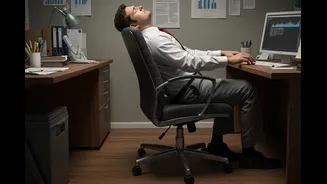
Panic attacks are sudden episodes of intense fear that trigger severe physical reactions even when there is no apparent danger. These episodes can manifest
with symptoms like a racing heart, sweating, trembling, shortness of breath, chest pain, and a feeling of impending doom. It is crucial to understand that panic attacks are temporary and do not pose a physical threat, even though they can feel extremely frightening. The underlying cause of panic attacks varies from person to person. They may be linked to genetics, stress, traumatic experiences, or underlying mental health conditions. Learning the root causes and how to manage panic attacks is the first step toward regaining control during these frightening moments. A supportive environment and understanding of these triggers can often help people manage their response to panic attacks.
The Paper Bag Method
The paper bag technique is a simple yet effective method for managing panic attacks and anxiety by regulating the levels of carbon dioxide and oxygen in the body. When someone is hyperventilating during a panic attack, they are taking in too much oxygen and expelling too much carbon dioxide, causing imbalances in the body. Using a paper bag, by breathing in and out of it, helps to re-breathe the exhaled carbon dioxide, slowly restoring the normal balance of gases. This technique can help calm the physical symptoms of anxiety like shortness of breath and dizziness. The re-breathing process encourages a slower breathing rate, further aiding in relaxation. It's a portable and private technique, making it useful in various settings and circumstances. It is important to note that the paper bag method is a short-term coping strategy intended to manage acute panic attack symptoms, not a long-term cure.
How to Use It
To effectively use the paper bag technique, follow these steps: First, sit down in a comfortable place to help anchor yourself, which can prevent dizziness. Place a paper bag (not a plastic one) over your mouth and nose. Make sure it forms a gentle seal, but don't hold it so tight that you restrict airflow. Breathe in and out slowly and deeply. Focus on taking calm, steady breaths, and allow yourself to relax. Continue breathing into the bag for about 5-10 minutes, or until the symptoms of your panic attack begin to subside. It's crucial not to overdo this technique. If you begin to feel lightheaded or more uncomfortable, remove the bag immediately and get some fresh air. The paper bag method is a temporary measure, and it's essential to seek professional guidance for managing anxiety and panic disorders in the long term. This technique is for immediate relief while help is on its way.
When to Seek Help
While the paper bag method is a helpful tool, it is not a standalone treatment for panic attacks or anxiety disorders. It's vital to seek professional help from a healthcare provider or a mental health specialist for persistent or frequent panic attacks. A mental health professional can provide a thorough evaluation to identify the root causes of anxiety and recommend the appropriate treatment plan. This may involve therapy, medication, or a combination of both. Regular therapy sessions can help develop coping strategies, manage triggers, and challenge negative thought patterns that contribute to anxiety. Medication, such as antidepressants or anti-anxiety medications, may be prescribed to help manage the symptoms of anxiety. Seeking professional help is essential for gaining a comprehensive understanding of the disorder and working toward a sustainable recovery plan. Never hesitate to reach out for professional support if panic attacks are significantly impacting your life.
Additional Coping Strategies
Besides the paper bag technique, there are several other effective coping strategies to help manage anxiety and panic attacks. Practicing deep breathing exercises regularly can help regulate your breathing and promote relaxation. Mindfulness meditation can help calm your mind and increase your awareness of your thoughts and feelings without judgment. Regular exercise, such as yoga, can help reduce stress and improve your overall well-being. Identifying and avoiding triggers that may cause panic attacks or anxiety is crucial. Getting enough sleep, eating a balanced diet, and staying hydrated is critical for maintaining overall physical and mental health. Building a strong support system by connecting with friends, family, or support groups can help in coping with anxiety. Combining the paper bag technique with other strategies can significantly improve your ability to manage anxiety and panic attacks effectively.