






Foliage That Fascinates
Plants, often perceived as static organisms, exhibit an astonishing level of evolutionary creativity, particularly in their leaves. While most are green
and dedicated to photosynthesis, a select few have evolved truly unconventional forms and functions, driven by the relentless pressures of survival. These botanical curiosities break the mold, demonstrating a remarkable diversity in adaptation. Some leaves are engineered to ensnare unsuspecting insects, others boast vibrant hues that defy typical plant coloration, and a few have even abandoned the need for sunlight altogether, forging unique survival strategies. Understanding these adaptations provides a captivating glimpse into the ingenious ways plant life navigates its challenges, from harsh climates to predation and competition for resources.
Dramatic Dark Foliage
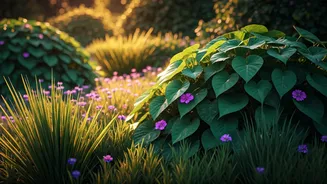
The Black Elephant Ear stands out with its strikingly dark, almost black leaves, a significant departure from the conventional green seen in most foliage. This unusual pigmentation isn't a natural occurrence but rather the result of selective breeding, yielding a plant with a dramatic, almost gothic aesthetic. This deep coloration serves not only as a visual statement but may also play a role in its survival, though the primary driver for this trait in cultivated varieties is ornamental appeal. The plant’s large, heart-shaped leaves create a bold visual impact, making it a focal point in any garden or indoor collection. Its existence highlights how human intervention can enhance or create unique characteristics in the plant kingdom, pushing the boundaries of typical leaf appearance.
Carnivorous Cobra Lily
The Cobra Lily, with its unique tubular, hood-shaped leaves, masterfully mimics the appearance of a striking snake. This deceptive form is not just for show; it's a sophisticated hunting mechanism that transforms the plant into a carnivorous predator. Insects are drawn in by the alluring scent and visual cues of the hood, only to find themselves trapped within the slippery interior. Downward-pointing hairs lining the tube prevent any escape, guiding the prey further into the pitcher. Once inside, digestive fluids break down the captured insects, providing the plant with essential nutrients that are scarce in its native boggy environment. This remarkable adaptation showcases nature's ingenuity in overcoming nutritional limitations through specialized structures.
Ethereal Ghost Plant
The Ghost Plant presents an almost ethereal appearance with its pale, translucent leaves, a direct consequence of its lack of chlorophyll. Unlike most plants that rely on sunlight for photosynthesis, this unique species has developed an alternative survival strategy. It exists in a symbiotic relationship with fungi, drawing its nutrients indirectly from the soil and decaying organic matter through a network of mycorrhizal fungi. This parasitic or mycoheterotrophic lifestyle gives the plant a ghostly, luminous quality, making it appear to glow faintly in its shaded habitat. Its delicate, almost spectral form is a testament to the diverse and often unseen ways plant life can sustain itself beyond the traditional photosynthetic pathway.
Fiery Blood Grass
Japanese Blood Grass introduces a vibrant splash of color to the landscape, with its blades developing vivid red tips that create the illusion of being set ablaze. This striking coloration makes the plant a standout feature, adding a dramatic flair to gardens. However, this intense hue comes with a cautionary note; related varieties of this grass can be invasive, spreading rapidly and outcompeting native vegetation. Furthermore, the dry, red foliage can become highly flammable, posing a fire risk in dry conditions. The plant’s dramatic appearance, therefore, serves as both an aesthetic marvel and a reminder of the ecological considerations that come with introducing non-native species.
Camouflaged Living Stones
Living Stones, scientifically known as Lithops, are masters of disguise in the plant world. Their thick, fleshy leaves are expertly shaped and colored to resemble pebbles, providing them with exceptional camouflage in their arid desert habitats. This remarkable mimicry is a crucial survival tactic, helping them evade herbivores that might otherwise consume their succulent tissues. By blending seamlessly with their surroundings, they remain inconspicuous and protected. This adaptation allows them to conserve water and thrive in environments where other plants struggle to survive, showcasing a brilliant example of natural selection at work to ensure species persistence through deceptive appearances.
Parasitic Witches' Hair
Witches' Hair presents a truly bizarre form, with leaves so reduced they are barely recognizable, resembling tangled strands of spaghetti. This highly specialized parasitic plant lacks the typical green foliage and the ability to photosynthesize. Instead, it anchors itself to host plants, drawing essential nutrients and water directly from them. Its parasitic nature is incredibly sophisticated; it can even detect suitable hosts by scent, ensuring it latches onto plants that can sustain it. This unique strategy allows Witches' Hair to thrive in environments where its host plants are abundant, demonstrating an extreme evolutionary path driven by the need for a readily available source of sustenance without the burden of self-production.