






Market Reactions Summarized
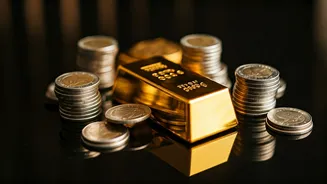
The recent market activity has been quite dramatic, with gold and silver exhibiting substantial upward movement. Gold's price has risen by Rs 2,000, reflecting
a positive shift in investor sentiment toward the precious metal. Silver, in contrast, experienced an even more considerable surge, increasing by Rs 10,000. These fluctuations can be attributed to various factors, including global economic uncertainties and shifts in investor behavior. Several economic indicators and worldwide events are contributing to these developments and are worth analyzing closely. The market is constantly evolving, and keeping up with these changes is essential.
Global Economic Uncertainties
One of the primary drivers behind the surge in gold and silver prices is the pervasive global economic uncertainty. Economic instability, characterized by inflation concerns, rising interest rates, and geopolitical tensions, often pushes investors towards safe-haven assets. Precious metals such as gold and silver are often seen as a reliable store of value during times of financial turmoil. When the economy faces challenges, investors often seek the stability that these metals provide. Concerns over inflation, a persistent issue worldwide, often prompt investors to seek inflation hedges, which include precious metals. Rising interest rates may devalue other investment options and simultaneously make gold and silver more attractive by comparison. Moreover, geopolitical risks, like international conflicts or trade disputes, can further increase the appeal of these metals. These elements come together to create a complex web of reasons why gold and silver have appreciated significantly in value during this period of time.
Investor Sentiment Shifts
Changes in investor sentiment play a crucial role in influencing the prices of gold and silver. Increased demand from investors generally leads to an increase in prices, while reduced demand leads to a decrease. Investor perception of the economic outlook influences their investment decisions. If investors anticipate economic difficulties, they often shift their portfolios towards safe-haven assets. This behavior results in higher demand and, consequently, increased prices for gold and silver. Factors such as the U.S. dollar's performance also affect the price of gold, which is often priced in U.S. dollars. When the dollar weakens, gold becomes less expensive for holders of other currencies, which can push prices upward. Furthermore, any positive news about the performance of the global economy could lead to increased appetite for risk, potentially causing investors to allocate capital away from precious metals. Therefore, it is essential to monitor investor sentiment in order to predict movements in the gold and silver markets.
External Market Influences
Several external market factors contribute to the price fluctuations of gold and silver. The actions of central banks globally are highly influential. Monetary policies, such as interest rate decisions and quantitative easing, significantly impact the values of precious metals. For example, if central banks adopt expansionary monetary policies, it can decrease the value of currencies, thereby increasing the appeal of gold and silver. The strength of the U.S. dollar, as previously mentioned, acts as a primary influencer of gold prices; a weaker dollar usually leads to higher gold prices. Additionally, the industrial demand for silver, which is used in several applications such as electronics, can affect its price. An increase in industrial demand can boost silver prices, independent of broader economic trends. Moreover, external events, such as supply chain disruptions, may also affect precious metals, which would further influence the price.
Future Outlook Considered
Looking forward, the future outlook for gold and silver prices is shaped by a confluence of variables. Ongoing geopolitical tensions and economic uncertainty could continue to support the safe-haven demand for precious metals. Inflation rates, central bank policies, and global economic growth will remain critical determinants. Many analysts suggest that as long as economic instability continues, precious metals will likely maintain their position as attractive investment options. In contrast, any significant improvements in global economic conditions, such as lower inflation or stronger economic growth, could reduce the demand for these metals, which could lead to price corrections. Additionally, technological advancements, which can influence industrial demand for silver, will continue to play a role. Investors are encouraged to observe market indicators, news developments, and expert analysis in order to formulate informed investment strategies. The market dynamics for precious metals remain subject to changes.