


The Psychology of Space
Our living environments profoundly influence our feelings, thoughts, and interactions. Interior design, through elements like natural light, open layouts,
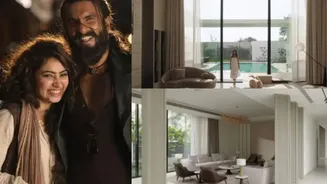
textures, and colour palettes, subtly shapes our mood, comfort, and even behaviour. This is why certain homes instinctively feel calming, inviting, or energizing without an obvious reason. The cinematic portrayal of Ranveer Singh's villa, 'Ananda,' in the film 'Dhurandhar: The Revenge,' located not in Karachi as depicted but in Amritsar, Punjab, offers a compelling real-world illustration of these principles. The villa, designed by 23DC Architects, is a testament to how architecture can intentionally foster psychological well-being, creating spaces that are not merely aesthetically pleasing but also deeply supportive of mental health and emotional balance.
Nature's Calming Embrace
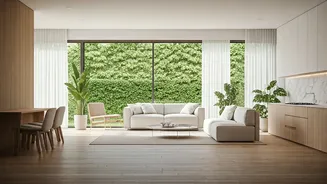
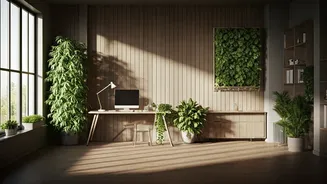
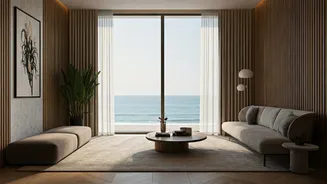
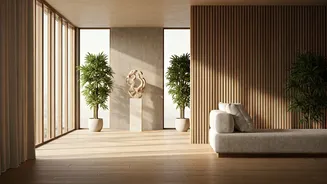
The deliberate integration of natural light and outdoor connections within 'Ananda' plays a pivotal role in mental well-being. Natural light is more than just illumination; it acts as a crucial regulator for our internal biological clocks, optimizing sleep patterns and boosting mood. Exposure to sunlight is linked to increased Vitamin D levels, which directly correlate with reduced depressive symptoms and enhanced emotional resilience. Furthermore, when spaces seamlessly blend with the outdoors, such as through courtyards or garden views, the brain shifts away from a heightened state of alertness, tapping into our innate human need for nature. This connection actively lowers stress hormones like cortisol, fostering a sense of calm and security. Even passive visual access to greenery has been shown to improve focus, spark creativity, and support emotional regulation, making the villa a sanctuary designed for restoration.
Minimalism for Mental Clarity
The villa's design, characterized by neutral tones and uncluttered aesthetics, significantly contributes to reduced cognitive load, allowing the brain to rest more effectively. Environments with minimal visual distractions enable enhanced focus, clearer decision-making, and a general sense of mental clarity. Khangarot elaborates that open layouts further amplify this effect by cultivating a feeling of psychological freedom. When spaces flow with ease, it sends signals of safety to the nervous system, thereby mitigating stress and promoting relaxation. This openness also facilitates better movement, optimal light distribution, and encourages social interaction, all of which contribute to overall emotional ease and a greater capacity to remain present and balanced.
Balancing Openness and Warmth
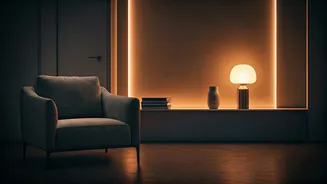
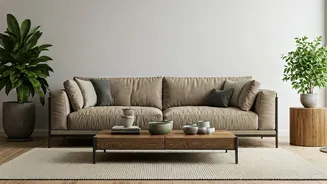
While expansive layouts, large windows, and high ceilings can evoke a sense of freedom, an overemphasis on openness can sometimes lead to feelings of exposure rather than relaxation. Psychologically, humans naturally seek a balance between 'prospect,' representing openness, and 'refuge,' which signifies safety and containment. Open spaces are beneficial for creativity and reducing mental fatigue, but a lack of enclosed areas can subtly increase anxiety, hindering the ability to fully unwind. To counteract this, the design intentionally incorporates elements of warmth and security. This is achieved through strategic zoning of areas using rugs or softer lighting, and thoughtful furniture arrangements that provide structure within the open plan. The incorporation of natural textures like wood and fabric, alongside warmer colour accents, enhances emotional comfort and makes the space feel lived-in and personal, anchoring identity and connection.