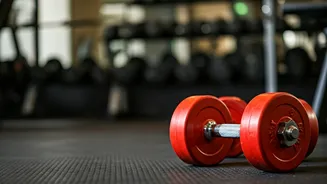

Beyond Just Cardio
The common belief that cardio is the ultimate solution for fitness is challenged here. While cardio undoubtedly offers benefits for cardiovascular health,
it may not be enough for women over 35. As people age, the body undergoes changes, including a decline in muscle mass. Focusing solely on cardio might not address this, potentially leading to reduced strength and a slower metabolism. To maintain strength, prevent age-related muscle loss, and support overall health, a more holistic approach is needed. This includes incorporating exercises that stimulate muscle growth and enhance the body's ability to burn calories even when at rest. This proactive shift in routine is critical for long-term health and well-being.
Essential Strength Training
To effectively counter the natural effects of aging and maintain a robust physique, strength training becomes an essential component of a fitness regimen. Strength training provides significant benefits beyond just building muscles. It boosts metabolism, increases bone density, and enhances balance and coordination, reducing the risk of injuries. Specifically, strength training helps maintain muscle mass, which often declines with age. This is important because muscle tissue helps burn more calories, even while resting. By including strength training in your routine, you can create a more balanced workout program that addresses multiple aspects of health and fitness. Incorporating strength training can significantly enhance the effectiveness of your overall fitness efforts and yield better, more sustainable results.
Exercise: The Squat
Among the various exercises that can be incorporated, the squat is highlighted as a fundamental exercise. The squat is an incredibly versatile exercise that engages multiple muscle groups, including the legs, glutes, and core. It is an exercise that enhances overall strength and improves functional movement patterns that are essential for everyday activities. The squat can be modified to suit different fitness levels, making it accessible to most women regardless of their current condition. Whether using body weight, adding resistance with dumbbells, or using a barbell, the squat promotes building muscle, enhancing metabolism, and improving bone density. It is, therefore, a core exercise for women over 35 looking to stay strong and healthy.
Proper Squat Technique
To maximize the benefits and reduce the risk of injury, proper technique is essential when performing squats. Begin by standing with feet shoulder-width apart, toes pointing slightly outward. Lower your body as if sitting into a chair, keeping your back straight and core engaged. The goal is to lower your hips below your knees while keeping your weight on your heels. Ensure your knees do not extend past your toes. Drive back up through your heels to the starting position. It's always beneficial to watch videos or work with a trainer to refine your form. Proper technique not only makes the exercise safer but also ensures you are effectively targeting the intended muscles. Focusing on controlled movement and maintaining good posture is more important than the number of repetitions performed.
Integrating into Routine
To incorporate squats effectively into your fitness routine, aim to perform them at least two to three times per week, with rest days in between to allow for muscle recovery. You can start with bodyweight squats and gradually increase the difficulty by adding weights. Begin with 2-3 sets of 10-12 repetitions, adjusting the number of sets and reps based on your fitness level and goals. Consider adding squats to your existing cardio workouts or dedicate separate days for strength training. To achieve optimal results, combine squats with a balanced diet rich in protein, which helps in muscle repair and growth. Regular practice, proper technique, and a well-rounded diet will help you experience the full benefits of this key exercise and contribute to your overall health and strength.