
Sound's Brain Impact
The human brain is an incredibly complex organ, constantly buzzing with electrical activity. Scientists have long understood the profound effects of sensory
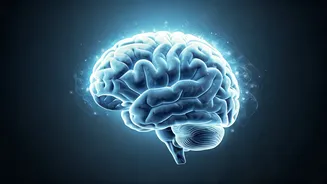
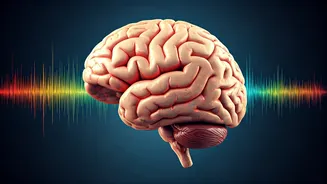
input on this activity, and sound is no exception. Sound waves, when processed by the auditory system, trigger a cascade of responses that affect various brain regions. Specifically, the auditory cortex, located in the temporal lobe, is the primary area that processes sound. However, the influence of sound extends far beyond this single region. The brain's limbic system, which controls emotions and memories, also responds to sound. This close connection suggests a strong link between sound and memory recall, a crucial aspect in the context of Alzheimer's disease, which progressively degrades memory function. Moreover, sound can influence the brain's rhythm, which involves various frequencies, including alpha, beta, and theta waves. Changes in these brainwave patterns are often associated with states of relaxation, attention, and cognitive function. Therefore, the ability of sound therapy to manipulate these brainwaves could offer a non-invasive way to improve cognitive performance and potentially slow down the progression of Alzheimer’s disease. The impact of sound on the brain is multifaceted, with potential benefits related to memory, mood, and cognitive processes.
Alzheimer's Disease Overview
Alzheimer's disease is a neurodegenerative disorder that gradually destroys brain cells, especially those in areas that control memory, learning, and language. It's the most common form of dementia, affecting millions of people worldwide. The hallmark of the disease includes the buildup of amyloid plaques and neurofibrillary tangles in the brain. These abnormal structures disrupt the communication between nerve cells, leading to a progressive loss of cognitive functions. Early symptoms include memory loss, confusion, and difficulty with familiar tasks, which gradually worsen. As the disease progresses, individuals may experience personality changes, impaired judgment, and difficulties with speech and movement. Currently, there is no cure for Alzheimer's, and the available treatments only help manage symptoms and slow the progression of the disease. Consequently, there is an urgent need for new therapies that can slow down or stop the progression of Alzheimer’s. Sound therapy, with its potential to influence brain activity in a non-invasive way, presents an exciting opportunity in this context, offering a new avenue for research and treatment of the disease.
Sound Therapy's Promise
Sound therapy, also called auditory stimulation, uses various sound frequencies to stimulate specific brain regions. It has shown promise in treating various neurological conditions and is now being investigated for its therapeutic potential in Alzheimer’s disease. Preliminary studies have explored the impact of specific sound frequencies on brainwave activity, especially in areas of the brain affected by Alzheimer’s. Research suggests that certain frequencies, such as those associated with the gamma range, might enhance cognitive function and improve memory recall. These gamma frequencies are thought to promote brain synchrony, which is essential for cognitive processes. Furthermore, sound therapy is often non-invasive and can be administered through headphones, making it a potentially accessible treatment option. The ease of administration is a significant advantage, and it allows for repeated exposure with minimal side effects. The results of research in this domain are encouraging. These studies are focused on investigating how sound might reduce cognitive decline, improve mood, and enhance the quality of life for individuals with Alzheimer’s. Therefore, sound therapy holds the potential to be a groundbreaking approach to addressing the symptoms and progression of Alzheimer's.
Research & Findings
Several recent studies have investigated the impact of sound therapy on individuals with Alzheimer’s disease. Some studies have involved the use of specific sound frequencies to stimulate the brain and have shown encouraging results. One area of focus has been on improving memory function. Some research indicates that regular exposure to certain sound frequencies can improve the recall of memories. Another area has been related to the improvement of sleep quality, as people with Alzheimer’s often experience sleep disturbances. Certain sound frequencies can promote relaxation and improve sleep patterns, indirectly improving cognitive function. Furthermore, these studies have looked at the emotional impact of sound therapy. It has been noted that listening to soothing sounds can reduce agitation, anxiety, and depression, which are common symptoms associated with Alzheimer’s. While the field of sound therapy for Alzheimer’s is still evolving, early research has delivered promising outcomes. The studies have helped to establish a scientific foundation for more extensive clinical trials, potentially paving the way for sound therapy to become an established treatment for Alzheimer's.
Future Possibilities
As research continues, the possibilities for sound therapy in treating Alzheimer’s are expanding. There is significant scope to explore personalized sound therapy, which is tailored to the unique needs of each patient. Personalized treatments might involve the use of different frequencies and types of sounds, with the goal of targeting the specific areas of the brain that are most affected by the disease. Combining sound therapy with other treatments is another area being actively explored. Combining sound therapy with medication or cognitive therapies has the potential to produce synergistic effects, which may improve the overall outcomes for patients. Furthermore, advances in technology offer new possibilities. This includes the use of virtual reality to create immersive sound experiences that can stimulate multiple sensory pathways and potentially improve memory and cognitive function. The future of sound therapy in Alzheimer’s is filled with potential, with the promise of more effective, personalized, and integrated treatments that address the multifaceted nature of the disease. Therefore, continued research and development are crucial to unlock the full potential of sound therapy in the future.