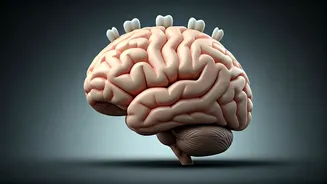








The Dental-Cognitive Link
While often dismissed as a natural part of aging or a consequence of poor hygiene, the loss of even a single tooth carries a quantifiable risk to your
cognitive longevity. Research involving 35,000 participants in the US has revealed a concerning statistic: for every tooth an individual loses, their risk of cognitive decline escalates by 1.7%. This isn't a one-off increase; as tooth loss often continues due to underlying oral health issues, the cumulative effect can lead to a substantial rise in the probability of cognitive impairment and dementia. Understanding this connection moves tooth loss beyond a mere cosmetic or functional concern, positioning it as a potential early indicator of broader neurological health challenges that warrant proactive attention and care.
Mechanisms of Decline
The intricate relationship between tooth loss and cognitive decline is multifaceted, supported by substantial clinical evidence. Experts highlight that tooth loss can serve as an early warning sign for cognitive impairment, particularly in older adults. Studies, including research from Harvard University, have indicated a significant correlation, with individuals experiencing greater tooth loss showing up to a 48% higher risk of cognitive impairment and a 28% increased likelihood of developing dementia. This connection isn't solely superficial; it's driven by several underlying factors. Systemic inflammation stemming from neglected oral health, such as gum disease, can impact the brain. Furthermore, the physical difficulty in chewing due to tooth loss can lead to nutritional deficiencies, depriving the brain of essential nutrients. The psychological impact, including reduced self-esteem and social withdrawal, can also indirectly affect cognitive well-being.
Inflammation and Bacteria
Poor oral health creates a breeding ground for harmful bacteria, which can lead to chronic inflammation. This inflammation isn't confined to the mouth; it can become systemic, meaning it affects the entire body. When gum infections and inflammation become severe, bacteria can enter the bloodstream. Once in circulation, these pathogens can travel to the brain, potentially triggering or exacerbating neuroinflammatory processes. This can significantly increase the risk of cognitive impairment and contribute to the development of dementia over time. Therefore, maintaining a clean and healthy mouth is not just about preventing cavities or gum disease; it's a critical step in preventing the spread of inflammation and bacteria that could negatively impact neurological health and function.
Nutritional Impact on Brains
The ability to chew and enjoy food is fundamental to proper nutrition, and tooth loss significantly compromises this. When individuals struggle to bite and masticate effectively, their diet often becomes limited to softer, less nutrient-dense foods. This can result in deficiencies in vital vitamins and minerals that are crucial for brain health. For instance, insufficient intake of nutrients like Vitamin D, calcium, and omega-3 fatty acids, all essential for cognitive function, can directly contribute to cognitive decline. Beyond nutrient deficiencies, poor nutrition can weaken the immune system, making the body more susceptible to infections, including those that might affect the brain. Thus, preserving oral health is paramount for ensuring adequate nutrient intake, which in turn is vital for maintaining a healthy and sharp mind.
Preventive Strategies for All
Safeguarding both your oral and cognitive health is achievable through consistent, straightforward practices. The foundation lies in diligent oral hygiene: brushing your teeth at least twice daily, flossing regularly to remove debris between teeth, and attending routine dental check-ups and cleanings with your dentist. Complementing this, adopting a balanced diet rich in essential nutrients, staying adequately hydrated, and engaging in regular physical activity are crucial for overall well-being. To keep your mind sharp, incorporate mentally stimulating activities into your routine. Furthermore, avoiding tobacco products and limiting alcohol consumption significantly contribute to reducing risks. These combined lifestyle choices create a powerful defense against tooth loss and help mitigate the risk of cognitive decline, promoting a healthier, more vibrant life.