




Nostalgia Meets Innovation
The fashion world operates in cycles, with trends frequently revisiting the spotlight. In this context, the year 2016 serves as a significant point of
reference, providing the groundwork for what might be popular in 2026. This allows a blend of nostalgia and fresh perspectives. Those who missed out on the initial wave of these trends will get a new opportunity. The aim is not just to rehash old styles but to reinvent them, thereby making them relevant to today's preferences and requirements. By recognizing the past, designers and enthusiasts alike can cultivate a more dynamic and innovative approach to fashion.
Ugg Boots: The Comeback
Ugg boots, initially a mainstay in the early 2000s, are making a powerful return. The comfort they provide, combined with their casual versatility, positions them as a key item. In 2026, Ugg boots could be paired with diverse outfits, from sleek athleisure looks to relaxed everyday wear. This evolution shows how an item that was once confined to a specific aesthetic can broaden its appeal, blending seamlessly into various styles. The focus will likely be on different cuts, colors, and textures, enabling them to perfectly complement any wardrobe.
Reviving the Classics
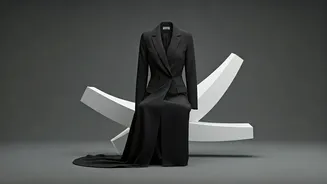
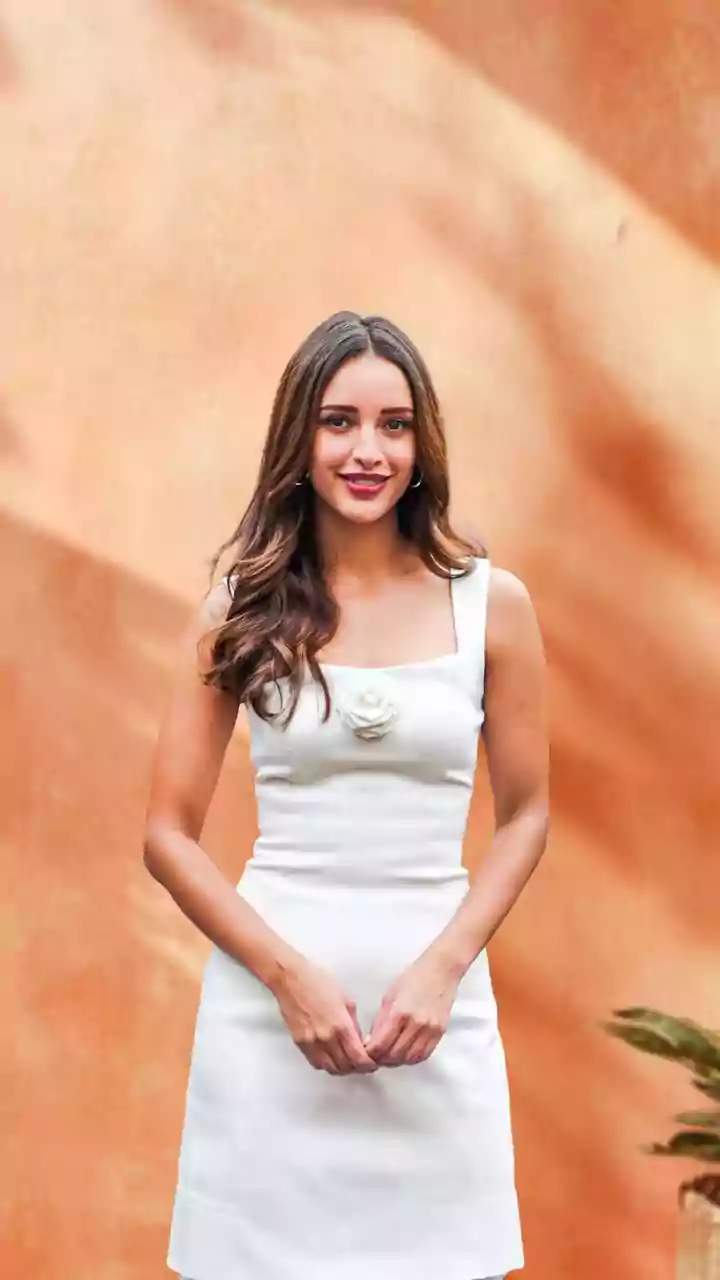
Beyond individual pieces, fashion is often defined by entire ensembles. Styles from 2016 are likely to be revisited, possibly including minimalist aesthetics characterized by clean lines and neutral tones. This trend can be updated with modern twists like sustainable fabrics. Moreover, statement accessories, bold prints, and experimental layering techniques will come into play to prevent any sense of repetition. The key is to modernize the original looks while remaining faithful to the core principles of simplicity, sophistication, and individual expression. It's about updating the wardrobe and reflecting on the wearer's personal journey.
Footwear as a Statement
Footwear has consistently played an important role in influencing fashion. In 2016, sneaker culture and statement boots were dominant, suggesting that in 2026, footwear will continue to be a focal point. Expect a wide array of options, from chunky sneakers with bold designs to ankle boots. Brands are set to introduce new elements into designs, incorporating sustainable materials, advanced technology, and innovative aesthetics. The shift toward individuality will be essential, with many opting for unique, personalized footwear that expresses their distinct style.
The Return of Denim
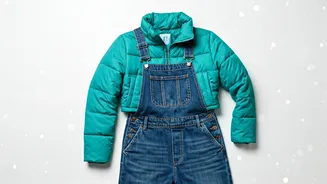
Denim will likely continue to be a core element in 2026 wardrobes. The evolution of denim extends beyond jeans, encompassing jackets, skirts, and even accessories. In 2016, high-waisted, flared, and distressed jeans were common, indicating these styles might be on trend. To make it modern, these silhouettes can be updated with more sustainable fabrics and innovative washes. This can include dark-wash and acid-wash denim. The emphasis will be on versatility, allowing people to personalize their denim to match their tastes and preferences.
Accessory Essentials
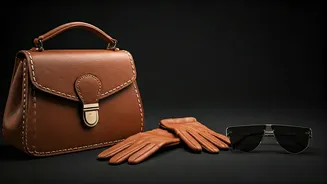
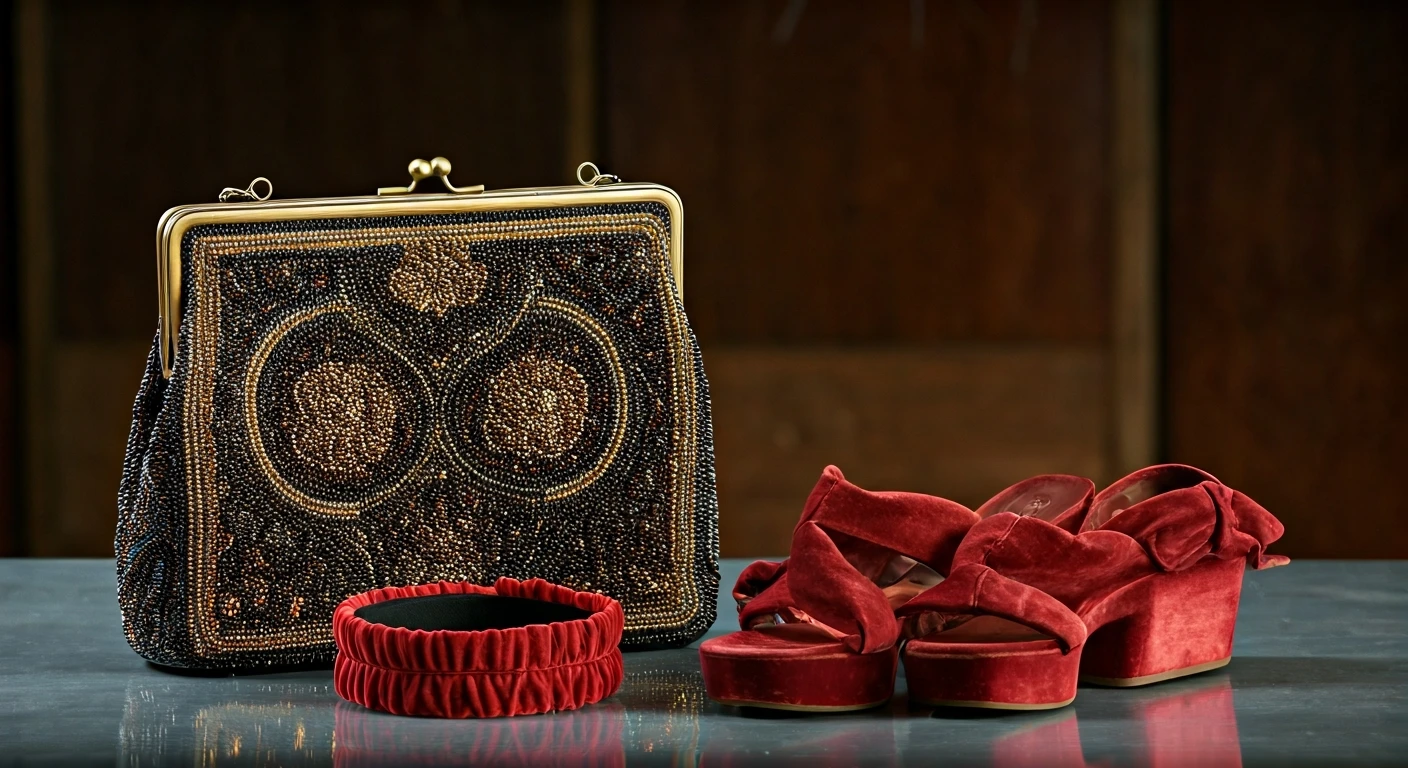
Accessories are vital for finishing an outfit and making a personal statement. The trends from 2016 hint at what might reappear in 2026. This can include statement belts that cinch the waist, crossbody bags that blend practicality with style, and layered necklaces. In 2026, the focus will be on accessories that offer both functionality and flair. Designs will probably experiment with sustainable materials. Accessories will also play an important role, with an emphasis on creating eye-catching looks and personal expression.
Embracing Layers and Textures
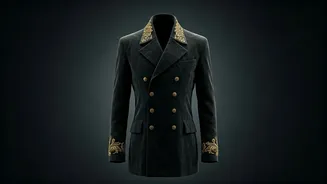
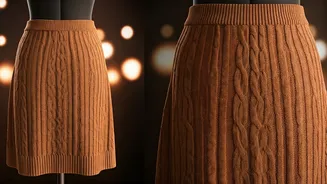
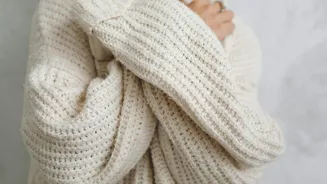
Layering is essential for adding complexity and adaptability to clothing. In 2016, mixing and matching textures and layers, such as pairing a leather jacket with a flowing dress or wearing a chunky knit sweater, was common. This trend continues to be a staple and may evolve with new materials. In 2026, we can anticipate more experimentation with different textures, such as combining silk, velvet, and leather in unexpected ways. Layering allows for individual expression, giving the wearer the flexibility to adapt to diverse climates and occasions.
Sustainability and Ethics
The fashion industry will prioritize sustainability and ethical production. In 2026, shoppers will be looking for environmentally friendly choices, encouraging brands to adopt eco-friendly processes. This might include using recycled materials, reducing waste, and making sure that all practices are fair. Transparency in the supply chain will be key, with consumers looking to know the origin of the products and the conditions under which they were made. As consumers become more aware of the impact of their buying decisions, the demand for sustainable fashion will rise, thus making responsible practices a key component of industry practices.