






Know the Rules
Embarking on a journey often involves navigating the intricate policies set forth by airlines regarding cabin baggage. These regulations, which dictate
the permissible dimensions and weight for your carry-on, are typically accessible on the airline's official website or at the airport itself. Adhering to these guidelines is paramount to sidestep potential issues. Pay close attention to the maximum size limits, commonly around 55 x 35 x 23 cm (or 22 x 14 x 9 inches), which encompass all parts of the bag, including wheels and handles. Furthermore, be mindful of weight restrictions, which can vary significantly from 7 kg to as much as 15 kg for some carriers. Most airlines permit one primary cabin bag along with a single personal item, such as a small backpack or laptop case.
Smart Packing Strategies
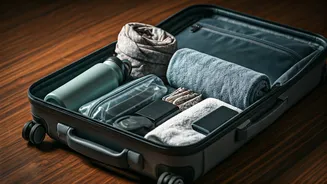
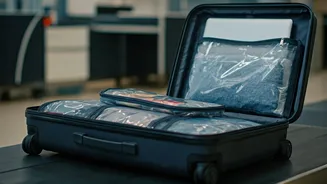
Maximizing your carry-on space and adhering to weight limits requires a strategic approach to packing. Be discerning about what you bring; pack only absolute essentials to reduce bulk. Employing packing cubes can be a game-changer, compressing your clothing and creating more room. Before heading to the airport, meticulously measure your suitcase, ensuring it complies with the airline's size specifications, paying attention to any protrusions like wheels or handles. Similarly, utilize a portable luggage scale to verify your bag's weight against the airline's allowance. If you find yourself over the limit, consider wearing your heaviest or bulkiest items, such as jackets or boots, during your flight, or distributing their weight into your personal item.
Choosing the Right Luggage
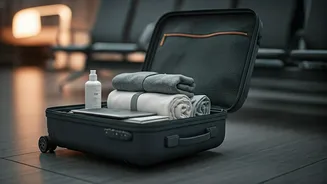
The type of luggage you select plays a crucial role in your ability to navigate airline cabin baggage policies successfully. Opting for a lightweight bag, ideally weighing under 3 kg when empty, provides greater flexibility within the overall 7 kg cabin allowance, leaving more room for your belongings. A compact 20-inch hard-shell trolley often proves to be an excellent choice, as it generally fits within the stipulated dimensions for most domestic airlines and is less prone to appearing overstuffed. Including a built-in, padded laptop compartment is a significant advantage, as it allows you to consolidate your electronics and clothes into a single, neat unit, thus minimizing the chances of attracting scrutiny at the boarding gate. Soft-sided luggage can offer more flexibility, potentially allowing you to squeeze it into tighter spaces if necessary, though a well-structured hard-shell bag typically maintains its shape better.
Airport Tactics
Beyond thoughtful packing and the right luggage, several tactics at the airport can further guarantee your carry-on remains with you. Arriving at the airport with ample time to spare is highly recommended. This buffer allows for any unforeseen issues with your luggage to be resolved without added pressure, such as rearranging items or having the option to check your bag if necessary. Take advantage of your designated personal item; use it to carry essentials you'll need during the flight, like books, snacks, or electronic devices, thereby reducing the volume and weight of your primary carry-on. Lastly, consider using a suitcase cover. While not directly preventing gate-checking, it offers valuable protection against scuffs and dirt should your bag be unexpectedly checked at the gate, ensuring it arrives in better condition.
Boarding and Beyond
Even if your carry-on appears compliant, space in overhead compartments can become a limiting factor, especially on crowded flights. To maximize the chances of your bag staying with you, aim to board the aircraft as early as possible. Overhead bin space operates on a first-come, first-served basis, and boarding with an earlier group significantly increases the likelihood that you'll find sufficient room for your luggage. Airlines often request passengers boarding later to gate-check their bags when space runs out. Additionally, be mindful of how you pack your bag. Overstuffing, using expandable zippers unnecessarily, or having external items dangling can make a bag appear larger than its actual dimensions, potentially drawing the attention of ground staff. A well-organized, neatly packed bag is less likely to cause concern, even on a full flight.