
Fairing: Key Component
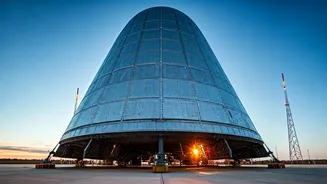
The Neutron rocket's 'Hungry Hippo' fairing is a critical element designed to shield the rocket's payload during its journey through the Earth's atmosphere.
The fairing, a structure made to protect the payload, has a unique design that is being tested. The upcoming tests in Virginia are specifically aimed at evaluating the fairing's performance under various conditions, including aerodynamic stress and extreme temperatures. These tests are essential to confirm the fairing's ability to withstand the harsh environment of space. The tests will help engineers understand and refine the fairing's design, guaranteeing that the rocket can successfully deliver its payload to orbit. Ensuring the structural integrity of the fairing is very important for the overall mission success, as it protects sensitive equipment and keeps everything safe.
Testing in Virginia
Virginia has been selected as the location for the fairing tests due to its advanced testing facilities and suitable environmental conditions. The tests will simulate various conditions that the fairing will experience during a launch and ascent. Engineers will put the fairing through a series of demanding trials, including high-speed wind tunnel testing and thermal shock evaluations. The facilities in Virginia have equipment to simulate the extreme temperatures and pressures the fairing will encounter as it travels through space. During the tests, sensors will gather extensive data on the fairing's performance, including how it responds to different stresses and its overall structural integrity. This information is key to making sure the fairing is completely ready for its role in future space missions. The data collected will allow the engineering team to optimize the design, making the Neutron rocket a reliable system for future space endeavors.
Purpose of Testing
The main goal of the fairing tests is to validate its design and confirm its reliability. By subjecting the fairing to harsh conditions, engineers can assess its strength and identify any potential weaknesses. The testing will provide valuable data on the fairing's performance under simulated space conditions. The purpose is not only to ensure the fairing can protect the payload, but also to confirm that it can be deployed correctly when the rocket is in orbit. The tests will help find out if any changes are necessary to the fairing's design or the materials used in its construction. Furthermore, the testing phase is a critical step in the development of the Neutron rocket and its ability to compete in the space launch market. These tests are crucial for improving the chances of success in future missions.
Fairing Design Details
The 'Hungry Hippo' fairing is designed with a focus on both protecting the payload and minimizing weight. The shape and materials used are designed to reduce drag during the rocket's ascent. The fairing's structure is typically composed of lightweight composite materials that provide exceptional strength. The design also includes features that facilitate the smooth separation of the fairing from the rocket once it reaches space. This separation is a crucial stage of the launch process, allowing the payload to be deployed successfully. Engineers have paid special attention to the design of the hinges and separation mechanisms to ensure their reliability. The fairing’s aerodynamics are carefully designed to cut down on unnecessary stress during the launch.
Importance of Testing
The successful testing of the 'Hungry Hippo' fairing is crucial for the overall success of the Neutron rocket program. Thorough testing will help engineers ensure the rocket meets the high standards required for space missions. A reliable fairing is necessary for the rocket to transport its payload to space. These tests help minimize the risk of mission failure and safeguard the valuable cargo being carried. The data from the tests will be used to improve the overall design and performance of the Neutron rocket, increasing the likelihood of future successes. Each successful test is a step forward, improving the likelihood of more launches and opening new opportunities for exploration and scientific discovery.