





Grain vs. Seed Showdown
Oats and quinoa are celebrated for their health benefits, frequently recommended for fitness enthusiasts and those aiming for a healthier lifestyle. A
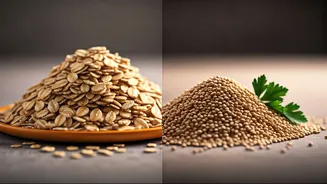
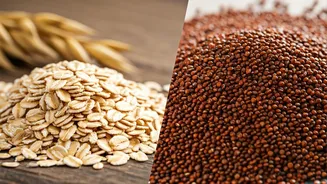
recurring question among the health-conscious is which of these nutritional stars packs more protein. While both are commendable choices, they diverge in protein quality, nutrient composition, and the specific health advantages they offer. The optimal selection hinges on individual dietary objectives, daily routines, and bodily requirements. To aid in this decision, let's explore their differences. Oats, a common breakfast staple, are known for their soft texture, mild flavor, and substantial fiber content, promoting digestive and cardiovascular health. Quinoa, botanically a seed but treated as a grain, boasts a delicate nutty taste and a light, fluffy texture. It's also gluten-free and has earned superfood status. For protein, quinoa edges out oats, providing a complete protein profile, whereas oats offer good protein alongside notable fiber and energy-boosting qualities.
Nutrient Breakdown Per 100g
A closer look at the nutritional content of oats and quinoa, prepared and measured per 100 grams, reveals key differences. While approximate and subject to cooking methods, these figures offer a clear comparative insight. Oats typically contain around 68 calories, 2.5 to 3 grams of protein, 12 grams of carbohydrates, 1.7 grams of fiber, and 1.4 grams of fat. In contrast, cooked quinoa presents a more calorie-dense profile with about 120 kcal, 4 to 4.5 grams of protein, 21 grams of carbohydrates, 2.8 grams of fiber, and 1.9 grams of fat. In terms of micronutrients, quinoa is notably higher in iron and magnesium compared to the moderate levels found in oats. These distinctions are crucial for individuals tailoring their diets to specific nutritional targets, whether prioritizing calorie intake, protein density, or mineral absorption.
Protein Supremacy: Quinoa's Edge
When the primary aim is to elevate protein intake, quinoa emerges as the superior option. Not only does it deliver a slightly higher protein count per serving, but it also uniquely provides all nine essential amino acids, classifying it as a complete protein. This characteristic makes quinoa exceptionally valuable, particularly for vegetarians, as it effectively supports muscle repair and overall bodily functions. Oats, while still a commendable source of protein and beneficial for daily intake, truly shine in their fiber content and sustained energy provision. Their protein contribution can be significantly enhanced when paired with other protein-rich ingredients like milk, nuts, or seeds, further amplifying their nutritional impact.
Oats: Fibre and Energy Champion
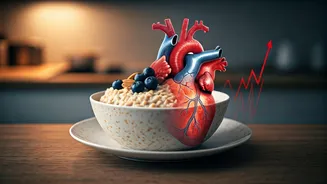
Oats are celebrated for their remarkable fiber content, particularly beta-glucan, a soluble fiber known for its cholesterol-lowering capabilities and significant contributions to heart health. This high fiber content also promotes prolonged feelings of satiety, effectively curbing unnecessary snacking and aiding in weight management. Furthermore, oats are renowned for their slow-release energy properties, making them an ideal breakfast choice for sustained vitality throughout the day. Their ease of preparation and remarkable versatility allow them to be seamlessly integrated into a wide array of everyday meals, from traditional porridge to baked goods and even savory dishes, offering consistent nutritional benefits.
Quinoa: Complete Protein Powerhouse
Quinoa distinguishes itself primarily as a complete protein, offering a full spectrum of essential amino acids. This makes it an invaluable food for muscle development and recovery processes, crucial for athletes and active individuals. Beyond its protein benefits, quinoa is densely packed with vital minerals such as iron and magnesium, both of which play critical roles in maintaining overall health and bodily functions. Its easily digestible nature also makes it a gentle option for those with sensitive digestive systems or gluten intolerance. Quinoa's adaptability allows it to be incorporated into numerous dishes, serving as a nutritious base for vibrant salads, wholesome grain bowls, or as a flavorful substitute for traditional rice.
Dietary Integration: Oats
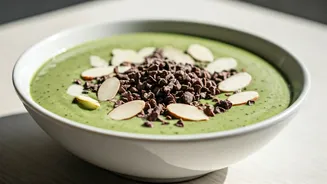
Incorporating oats into your daily diet is straightforward and offers numerous delicious possibilities. A classic breakfast option is preparing oatmeal, enhanced with fresh fruits, nuts, or seeds for added flavor and nutrients. For a quick and fiber-rich boost, blend oats into your morning smoothies. They can also be used to create healthier versions of pancakes or savory 'chilla.' To add thickness and nutritional value to soups, a handful of oats can be incorporated. For those seeking convenience, overnight oats provide a ready-to-eat meal that can be prepared the night before, making busy mornings much easier while still delivering essential nutrients.
Dietary Integration: Quinoa
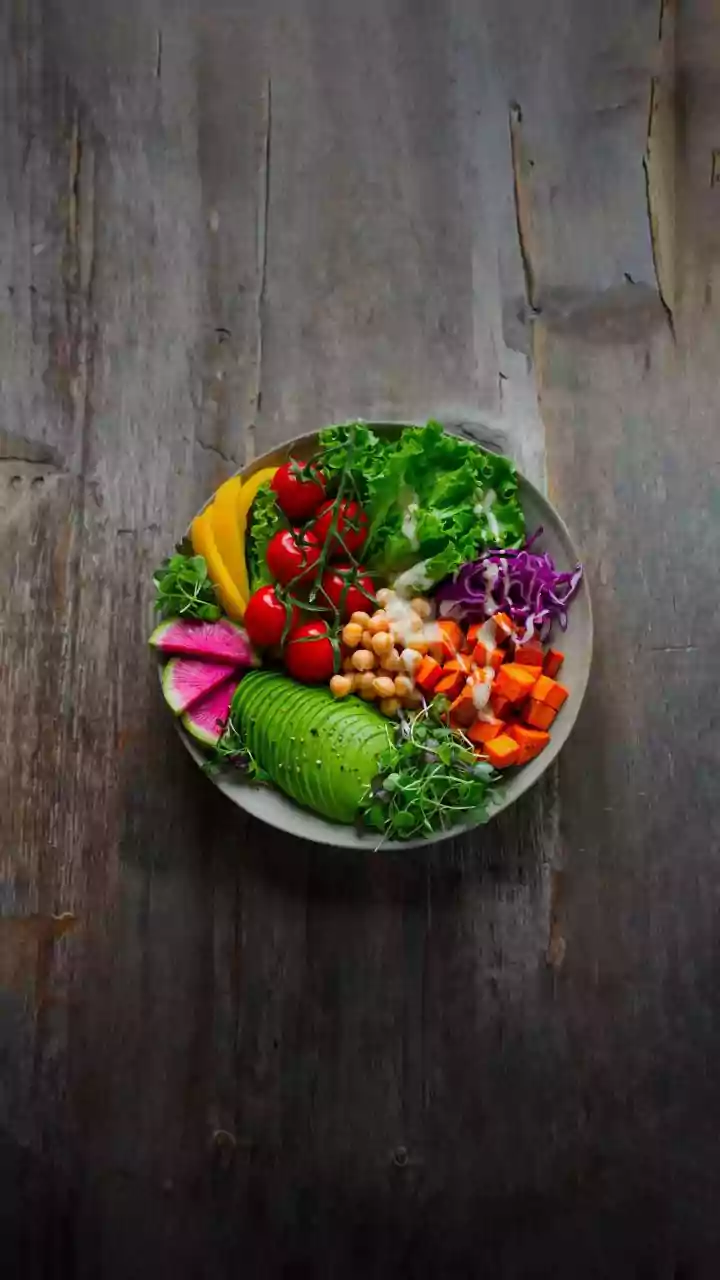
Quinoa's versatility makes it an excellent candidate for diverse culinary applications. It serves as a fantastic foundation for hearty salads and nutritious grain bowls, offering a complete protein base. At lunchtime, quinoa can effectively replace rice, providing a lighter yet equally satisfying alternative. It also blends well into soups and vegetable mixes, adding texture and nutritional depth. For a flavorful meal, consider preparing a quinoa pulao seasoned with aromatic spices and mixed vegetables. Quinoa also makes an excellent filling for wraps or can be used to stuff various dishes, offering a wholesome and protein-rich component.