




Spotting the Fake
In the bustling markets, it's wise to be vigilant about what you're buying, including sweet potatoes. One crucial step is visual inspection. Authentic
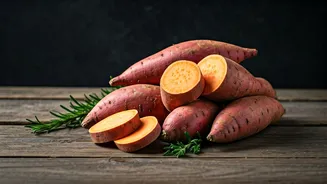
sweet potatoes typically have a rich, consistent color, ranging from deep orange to reddish-purple. The shape should be uniform with minimal blemishes or irregularities. Fake ones, on the other hand, might have an unnatural color, appear overly shiny, or have inconsistent textures. Touching the sweet potato is another excellent test. Real ones are firm to the touch, not overly soft or mushy. If a sweet potato feels unusually soft or has areas that yield easily under pressure, it could be a sign of poor quality or possibly a fake. Check for any signs of mold, rot, or insect damage, which are clear indicators of a compromised product. Being aware of these visual and tactile cues can significantly improve your chances of selecting genuine, high-quality sweet potatoes.
Texture & Feel
The texture and feel of sweet potatoes offer valuable clues about their authenticity. Real sweet potatoes should have a firm, dense texture, free from soft spots or hollow areas. When you hold them, they should feel substantial and not lightweight for their size. If a sweet potato feels unusually light or has an uneven texture, it could be a sign of a problem. Additionally, note the skin's condition. Genuine sweet potatoes often have a smooth, unblemished skin. While minor imperfections aren't necessarily a cause for concern, extensive damage or peeling can indicate the produce isn't ideal. Pressing gently on the sweet potato can also help. A real one will resist pressure, while a fake or damaged one might feel soft or even spongy. The overall texture provides essential information about the sweet potato's integrity and quality, helping you make a sound choice.
Color Variations
Color plays a significant role in identifying sweet potato purity. Authentic varieties come in a variety of shades, ranging from orange to purple. These colors often indicate the presence of essential nutrients like beta-carotene and antioxidants. When examining sweet potatoes, look for a consistent color throughout. A sweet potato with an uneven or faded color might be suspect. The intensity of the color also matters; a vibrant, rich hue is usually a sign of a high-quality product. However, the color alone isn't a definitive test. It's best to combine visual inspection with other checks, like texture and feel. Be cautious of sweet potatoes with unusual colors or artificial-looking shades. They may have been treated or altered in some way. Paying attention to color ensures you are getting the natural, nutritious sweet potatoes.
Taste Test at Home
If you're still unsure about the sweet potatoes' authenticity, a taste test is an excellent way to confirm your suspicions. However, this is best done once you've cooked the sweet potato, as the raw taste might be misleading. Prepare a simple dish, such as roasted sweet potato slices or mashed sweet potatoes. The flavor of real sweet potatoes is naturally sweet and slightly earthy, with a creamy texture. Fakes might taste bland or have an unusual, metallic aftertaste. Additionally, pay attention to the texture while eating. Real sweet potatoes tend to be tender and smooth after cooking, while fakes could have a coarse or fibrous texture. If the taste, texture, or smell seems off, it's advisable to discard the sweet potatoes and source them from a reliable place. A taste test can be the ultimate confirmation of whether you have genuine sweet potatoes.
Sweet Potato Dishes
Now that you know how to identify genuine sweet potatoes, it's time to put them to good use in your kitchen. Here are 6 easy dishes: First, bake sweet potato fries. Peel and cut the sweet potatoes into fries, toss them with olive oil, salt, and your favorite spices, then bake until crispy. Next, sweet potato mash. Boil or steam the sweet potatoes until soft, then mash them with butter, milk, and a touch of salt and pepper. For a savory dish, prepare a sweet potato and black bean salad. Dice the sweet potatoes, roast them, and combine them with black beans, corn, and a zesty dressing. Sweet potato soup offers warmth and flavor; blend cooked sweet potatoes with broth, spices, and a swirl of cream. Sweet potato pancakes are perfect for breakfast. Grate the sweet potatoes, mix them with flour, eggs, and seasonings, then cook them on a griddle. Lastly, a simple roasted sweet potato with herbs and olive oil. Roast chunks until tender, and enjoy the delicious simplicity.