



Don't Skip Preheating
A major pitfall in oven usage is placing food inside before it has reached the desired temperature. This seemingly minor oversight can drastically alter
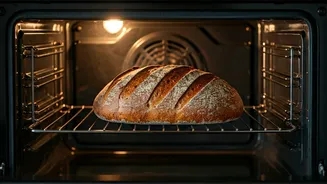
cooking outcomes, particularly for baked goods like cakes, bread, and pastries, leading to uneven rise, dense interiors, and poor texture. Roasting also suffers, as a cold start delays crucial browning and can result in drier food. Always allocate sufficient time for your oven to fully preheat; the few extra minutes invested will significantly enhance the quality and consistency of your culinary creations, ensuring everything cooks as intended from the moment it enters the heat.
Correct Rack Placement
Many home cooks default to the middle oven rack for all their cooking and baking needs, but this can lead to suboptimal results. Different rack positions are exposed to varying heat levels, directly influencing how your food cooks. Placing items too high can cause them to brown or burn rapidly on the surface before the inside is done. Conversely, lower rack positions may result in slower cooking and paler finishes. While the center rack is suitable for many general tasks like baking cakes and cookies, understanding that slightly higher positions can improve vegetable caramelization and roasting ensures more even cooking and desirable textures.
Avoid Overcrowding
It's a common temptation to cram as much food as possible into the oven at once, especially when entertaining or cooking for a family. However, this practice impedes essential hot air circulation, which is vital for uniform cooking. When oven trays are packed too tightly, heat becomes trapped, leading to inconsistent browning and unevenly cooked food. Some parts might be perfectly done while others remain undercooked. While cooking in separate batches might seem more time-consuming, it ultimately guarantees superior texture, consistent flavour, and a much higher success rate for all your dishes.
Resist Frequent Opening
Constantly peering into the oven by opening the door is a habit that significantly impacts cooking performance. Each time the door is opened, a substantial amount of heat is lost, causing disruptive temperature fluctuations within the oven cavity. This is particularly detrimental to delicate baked goods such as cakes, soufflés, and bread, which rely on a stable and consistent temperature for proper rising. Repeatedly opening the door can cause cakes to fall or bake unevenly. It's best to utilize your oven's interior light and glass window to monitor progress and only open the door when necessary, usually towards the end of the cooking cycle.
Use Oven-Safe Cookware
A critical, yet often overlooked, mistake is using cookware that isn't designed for oven use. Many individuals place regular pans or bowls in the oven without verifying their suitability, which can be both dangerous and detrimental to food quality. Materials with plastic components, thin glass, or certain non-stick coatings can warp, crack, or release harmful fumes when exposed to high oven temperatures. This not only ruins your meal but can also damage your appliance. Always confirm that your cookware is explicitly labeled as oven-safe and can withstand the required cooking temperature for your recipe. Selecting the right cookware also contributes to more even heat distribution.