Silent Statements of Authority
In the professional sphere, clothing has long served as a powerful non-verbal communication tool, conveying messages of identity, hierarchy, and power.
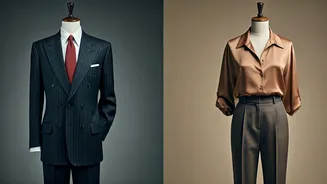
The film 'The Devil Wears Prada' vividly illustrated this in 2006, showcasing how Miranda Priestly's sharp, directional outerwear and refined color palette in neutral tones, punctuated by strategic bolder shades, exuded editorial command and decisive leadership. Her silent sartorial choices spoke volumes about her role and authority. For women in corporate settings, this cinematic portrayal reinforced the idea that professional dress is a strategic element for projecting an executive presence, influencing perceptions, building credibility, and signaling intent. This influential film reshaped the understanding of corporate dressing for women, highlighting its role in demonstrating workplace power dynamics, from casual wear to impeccably tailored ensembles.
The Indian Wardrobe Shift
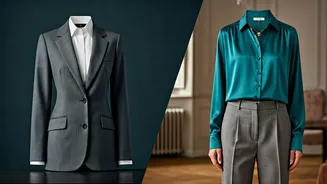
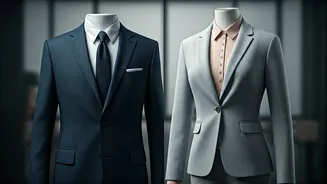
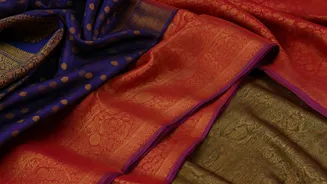
In India, the early 2000s witnessed a nascent stage of corporate dressing, a period characterized by a negotiation between traditional sarees and emerging Westernwear options like suits. The availability of Western attire was largely limited to tailored or ready-to-wear selections from department stores. Brands began to emerge, subtly introducing the concept of standardized workwear designed for women, fostering confidence and professional appearance. While some labels laid the groundwork for Western workwear in the late 90s, it was in the post-2010 era that the idea of "power dressing" for the Indian corporate woman became more formally defined, influenced by the earlier cinematic demand for attire that communicated authority and hierarchy.
Individuality Takes Center Stage
The decade following 2010 marked a significant transition in how professional authority was conveyed through attire. Power dressing evolved from projecting overt dominance to emphasizing clarity in personal branding. Corporate coaching and training increasingly focused on aligning one's appearance with their specific role, audience, and the professional environment. As a sequel to 'The Devil Wears Prada' is anticipated, the conversation around fashion and culture continues, reflecting a vastly transformed landscape of media, fashion, and power. Miranda Priestly's character initially embodied an unapologetic, controlled authority articulated through fashion. The potential direction for her character suggests a move towards a less label-centric and more sophisticated presentation, emphasizing gravitas, ethical judgment, and potentially, sustainable choices.
Future of Workwear Trends
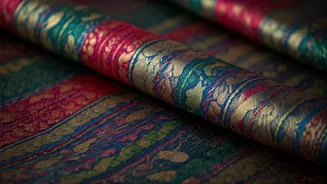
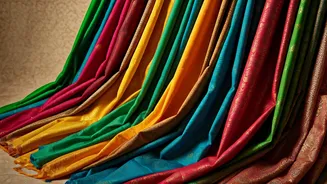
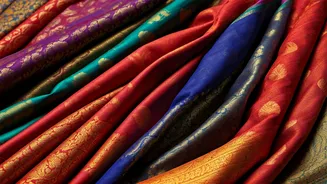
Forecasting platforms anticipate a future characterized by "city dressing," a blend of office-appropriate attire and understated luxury. Similarly, a growing emphasis on adaptable and fluid wardrobes suggests a departure from rigid dress codes. Workwear is poised to transcend its traditional confines, evolving into a versatile system that seamlessly transitions between professional and personal settings. This shift may usher in an era of "soft power dressing," where intention and individuality replace strict formality, favoring subtle luxury and thoughtful styling that communicates confidence rather than overt dominance. Importantly, in the Indian context, the saree is expected to maintain its significant place in the corporate wardrobe, adapting in fabric, draping, and styling, while continuing to represent a powerful fusion of authority, cultural relevance, and sustainable principles. The visual language of clothing will remain crucial in shaping these evolving narratives of professional presentation.