





Fruit Myths Debunked
A pervasive misunderstanding is that individuals with kidney disease must abstain from all fruits, a notion that can lead to unnecessary dietary limitations
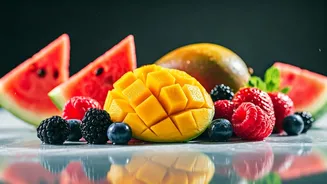
or, conversely, risky consumption patterns. The reality is that fruits are not entirely forbidden; the crucial element is discerning which fruits are lower in potassium and managing the quantity consumed. Completely cutting out fruits can deprive the body of vital fibre, vitamins, and antioxidants, which remain important for overall well-being. Another common fallacy is that all natural foods are inherently safe. While fruits are natural, many, like bananas and mangoes, are packed with potassium. For those with compromised kidneys, particularly in advanced stages or on dialysis, the inability to efficiently excrete excess potassium can lead to dangerous health complications. Furthermore, the belief that fruit juices are healthier than whole fruits is also a misconception. Packaged or even freshly squeezed juices often concentrate sugars and lack the fibre found in whole fruits, potentially causing detrimental blood sugar spikes, especially for individuals with diabetic kidney disease. Whole fruits, when eaten in appropriate portions, are generally a superior choice. Even seemingly harmless fruits such as chikoo (sapota) can be high in natural sugars, posing a challenge for those managing diabetic kidney disease. Lastly, the idea that dietary advice is uniform across all CKD stages is incorrect; recommendations vary significantly based on the stage of the disease, individual potassium levels, and dialysis status.
Safe Fruit Selections
Despite the need for caution, several fruits can be incorporated into the diet of kidney patients in moderation. Apples stand out as an excellent choice due to their relatively low potassium content and high fibre profile, contributing to digestive health and satiety. Pineapple is another fruit recognized for its lower potassium levels compared to many others, making it a preferable option. Berries, such as strawberries and blueberries, are particularly beneficial, offering a rich source of antioxidants that support cellular health and combat oxidative stress. Grapes also emerge as a favourable choice; they are low in potassium and contribute to hydration, which is important for overall bodily function. These fruits, when chosen wisely and consumed in appropriate amounts, can offer valuable nutrients without significantly increasing the risk associated with potassium overload for individuals managing kidney disease.
Portion Control is Key
Mastering the art of portion control and understanding individual dietary needs are paramount when making fruit choices for kidney disease management. Even fruits considered beneficial for kidney health can become problematic if consumed excessively, especially in the advanced stages of CKD where dietary restrictions are typically more stringent. It's crucial to remember that the concept of a 'free pass' for any fruit, even those deemed kidney-friendly, does not apply. The key lies in mindful consumption. For instance, while watermelon is hydrating, individuals on dialysis or with fluid restrictions must be cautious about its intake to prevent fluid overload, which can manifest as swelling or breathlessness. Establishing clear guidelines for portion sizes is essential. A general guideline for one serving typically equates to one small whole fruit, such as an apple or pear, or half a cup of cut fruit, or about six to eight grapes. Adhering to these defined portions ensures that the nutritional benefits of fruits can be enjoyed without compromising kidney function or fluid balance.
CKD Stage-Specific Plans
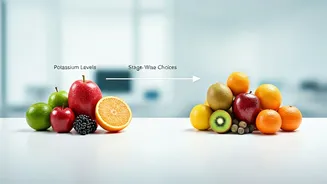
Dietary recommendations for fruit consumption in Chronic Kidney Disease (CKD) are highly individualized and evolve with the progression of the condition. In Stages 1-2 (Mild CKD), where kidney function is relatively preserved, restrictions are less severe. A typical daily plan might include one small apple in the morning and one cup of papaya or watermelon in the afternoon. Occasional treats could involve a small portion of mango (2-3 slices) or one small banana, but not daily. As CKD progresses to Stage 3 (Moderate CKD), potassium intake becomes more critical. The daily plan usually involves one to two controlled servings, such as a small apple or pear in the morning, and half a cup of pineapple or grapes in the afternoon. Fruits like mango, banana, and orange should be limited. For Stage 4 (Advanced CKD), stricter potassium control is mandated, with the daily intake limited to a single serving: either one small apple, half a cup of pineapple, or six to eight grapes. Bananas, mangoes, muskmelons, and oranges should be avoided or consumed very rarely. In Stage 5 (Pre-dialysis), extremely strict control is necessary as potassium levels can rise rapidly. The daily allowance is a maximum of one small serving, which could be one small apple, half a cup of strawberries, or half a cup of blueberries. Most high-potassium fruits like bananas, mangoes, oranges, and melons are to be avoided. For Stage 5 patients on Dialysis, the needs are further individualized based on laboratory results and tolerance, with daily intake potentially ranging from one to two small servings. A typical plan might include one small apple in the morning and half a cup of pineapple or grapes in the afternoon. Caution is advised with watermelon due to fluid overload risks, and mango should only be consumed in very small portions. Consistent monitoring of potassium levels and consultation with a healthcare professional are vital for tailoring these recommendations.