







The Gut-Brain Dialogue
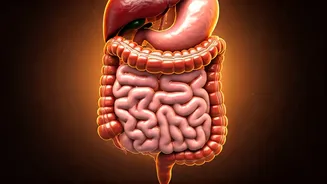
The intricate communication network linking your gastrointestinal tract and brain, known as the gut-brain axis, plays a pivotal role in your overall well-being.
This bidirectional pathway ensures that signals are constantly exchanged, influencing mood, stress levels, digestion, and even cognitive function. When this dialogue is disrupted, it can manifest in various physical and emotional symptoms. Understanding this connection is the first step towards managing a wide range of health concerns, from anxiety to digestive discomfort. The gut microbiome, the collection of trillions of microorganisms residing in your intestines, is a key player in this communication, producing neurotransmitters and other compounds that signal to the brain. Therefore, nurturing a healthy gut environment is crucial for maintaining both mental and physical equilibrium, highlighting the profound impact of our digestive health on our entire body.
Navigating IBS and IBD
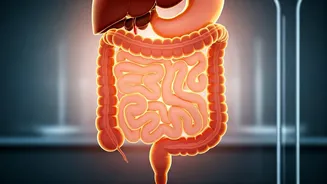
Irritable Bowel Syndrome (IBS) and Inflammatory Bowel Disease (IBD), which includes conditions like Crohn's disease and ulcerative colitis, are often confused but are distinct in their nature and treatment. IBS is a functional disorder affecting the large intestine, characterized by symptoms like bloating, gas, abdominal pain, diarrhea, and constipation, often triggered by certain foods or stress. While disruptive, IBS does not cause permanent damage to the digestive tract. In contrast, IBD is an autoimmune condition where the body's immune system mistakenly attacks the digestive tract, leading to chronic inflammation and potential damage. Symptoms can be severe and include persistent diarrhea, rectal bleeding, weight loss, and fatigue. Recognizing these differences is vital for accurate diagnosis and effective management plans tailored to each specific condition, ensuring appropriate care and symptom relief.
Dietary Impact on Digestion
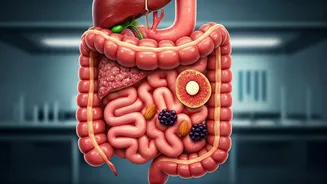
The food we consume has a direct and significant influence on the severity of symptoms associated with digestive conditions like Crohn's disease and IBS. For instance, during a Crohn's flare-up, certain foods can exacerbate inflammation and discomfort, while others can provide essential nutrients and aid recovery. A carefully curated diet can help manage symptoms, reduce inflammation, and support healing. This often involves identifying trigger foods that worsen symptoms, such as high-fiber foods during an acute flare, or dairy and gluten for some individuals with IBS. Conversely, incorporating easily digestible, nutrient-dense options like cooked vegetables, lean proteins, and bone broth can be beneficial. Maintaining adequate hydration and considering supplements, like Vitamin D, which may play a role in managing ulcerative colitis, further underscores the critical role of nutrition in digestive health management.
When to Seek Help
While occasional digestive discomfort like bloating, gas, and mild pain is normal, persistent or severe symptoms warrant professional medical attention. It's important to consult a doctor when these issues interfere with your daily life or are accompanied by concerning signs such as unintentional weight loss, blood in stool, or severe abdominal pain. Conditions like Irritable Bowel Syndrome (IBS) can have flare-ups that last anywhere from hours to weeks, impacting quality of life significantly. Furthermore, understanding when to see a gastroenterologist is crucial; these specialists diagnose and treat a wide range of gastrointestinal disorders. Recognizing the subtle and overt signs that your digestive system needs expert evaluation can lead to timely diagnosis, appropriate treatment, and improved management of chronic conditions.
Managing Treatment Side Effects
Treatments for conditions like ulcerative colitis can sometimes introduce their own set of challenges, including nausea, loss of appetite, and diarrhea. Similarly, taking GLP-1 medications, often prescribed for diabetes and weight management, requires careful consideration if you have existing digestive health conditions, as they can interact with your gut. Proactive management of these side effects is essential for adherence to treatment plans and maintaining overall well-being. Strategies may include dietary adjustments to mitigate nausea, small frequent meals to manage appetite loss, and specific medications to address diarrhea. Open communication with your healthcare provider is paramount to discussing any concerns and finding the most effective solutions to minimize treatment-related side effects and ensure your journey to recovery is as smooth as possible.