





The Grizzly Monarch
At the apex of Yellowstone's wildlife hierarchy stands the formidable Grizzly Bear. Easily distinguished from its smaller black bear cousins by the pronounced
muscular hump adorning its shoulders—a feature instrumental for powerful digging and rapid bursts of speed—this bear embodies the raw essence of the American wilderness. Though often perceived as lumbering due to their foraging habits for roots and berries, grizzlies possess surprising agility and can achieve speeds of up to 35 miles per hour when motivated. For the best chances of an encounter, focus your search on the Lamar and Hayden Valleys during the crepuscular periods of dawn and dusk. Adherence to a strict 100-yard safety buffer is paramount, as you are a mere visitor in their domain.
The Elusive Grey Wolf
The reintroduction of the Grey Wolf has significantly revitalized Yellowstone's ecological balance, making it a prime target for wildlife enthusiasts. These intelligent, highly social predators are integral to maintaining equilibrium within the park, influencing everything from the health of prey populations to the very structure of the landscape. Wolves are masters of camouflage, moving in cohesive packs and blending seamlessly into their environment, which often makes spotting them a fleeting glimpse rather than a prolonged observation. Patience is crucial when seeking these animals; early mornings and quieter times offer better opportunities, particularly when scanning open terrains from a safe distance. The profound experience of hearing a pack's howl resonate across the wilderness is an unforgettable auditory spectacle.
The Majestic Bison
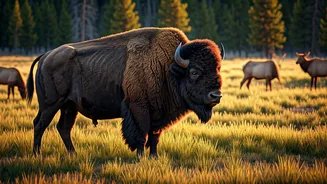
The American Bison, a living link to the Ice Age, commands the Yellowstone plains with a presence that belies its seemingly placid grazing. While they are the most frequently observed of Yellowstone's large mammals, witnessing a mature bull engage in the late-summer rutting season reveals a startling capacity for aggression; the impact of their head-on collisions can be as forceful as a vehicular accident. These creatures are surprisingly agile, capable of clearing six-foot fences and easily outrunning humans. In Yellowstone, the rule is clear: bison dictate movement. Whether they are halting traffic on park roads or indulging in dust baths in the Hayden Valley, these massive animals are the undeniable icons of the American West's open spaces.
The Towering Moose
Quietly dominating the wetland areas of Yellowstone is the imposing Moose. Characterized by their considerable height and robust build, giving them an almost prehistoric appearance, moose move with a deliberate grace that makes them noticeable, provided you are in their preferred habitat. The bulls, particularly during the autumn mating season, sport magnificent, wide-spreading antlers that transform even a casual sighting into a breathtaking spectacle. Typically found wading in marshes or browsing along riverbanks for aquatic vegetation, moose exude a calm demeanor. However, this tranquility can quickly shift to defensiveness, especially if they feel threatened or are protecting their young. Your best opportunities to see them are in the early morning hours near wetlands or the shores of Yellowstone Lake. As with all wildlife, maintaining a respectful distance is essential.
The Stealthy Mountain Lion
Yellowstone's apex predator, the Mountain Lion, embodies the definition of elusive. This powerful, silent feline exists on the periphery of human perception, preferring to remain unseen amidst rocky outcrops and dense woodlands. Unlike wolves or bears, mountain lions do not announce their presence; they are solitary hunters that rely on supreme stealth. The majority of visitors will likely never lay eyes on one, and this rarity only enhances their mystique. Evidence of their passage is more commonly found in tracks, fleeting movements in the distance, or an unusual silence descending upon the landscape. A sighting of a mountain lion, should it occur, would feel less like a typical wildlife encounter and more like witnessing a secret moment not meant for human eyes.