







What is Plug-In Solar?
For decades, solar power has been a captivating force, transforming sunlight into usable electricity. While traditional rooftop solar installations are
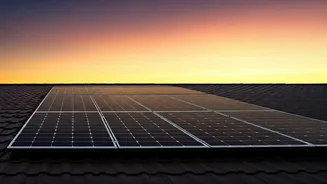
complex and costly, and portable solar generators are limited in scope, a new solution has emerged: plug-in solar. This technology bypasses the need for professional installation and extensive grid integration, offering a more accessible entry into solar energy generation. It's crucial to understand that 'plug-in' doesn't mean connecting solar panels directly to a wall outlet, as panels produce DC power while homes use AC. Instead, plug-in solar systems utilize a microinverter, a device that efficiently converts the DC output from solar panels into AC power compatible with household appliances. This converted power is then safely fed into your home's electrical system via a standard plug, effectively turning an outlet into an energy inlet. This DIY-friendly approach is particularly revolutionary for individuals in rental properties or apartments, as it typically requires no permanent modifications to the building.
Understanding Base Load Power
A key concept when discussing plug-in solar is 'base load.' This refers to the constant, low-level energy consumption of a household when major appliances aren't in active use. Think of the power drawn by your refrigerator, Wi-Fi router, and various charging devices; these essential and standby appliances contribute to a continuous energy draw throughout the day. In an average US home, this base load typically hovers between 200 to 400 watts, equating to approximately 4.8 to 9.6 kilowatt-hours (kWh) over a 24-hour period. The amount of power a plug-in solar setup can generate depends on several variables, including the total wattage of the solar panels, the amount of direct sunlight available in your location (measured in Peak Sun Hours or PSH), and the efficiency losses due to factors like shading, dust, and the system's inherent inefficiencies, often accounted for by a 'derate factor.' For instance, a 1 kW solar array in Alabama with 3.5 PSH would generate about 2.7 kWh daily, while the same array in Arizona with 6.5 PSH could produce around 5 kWh daily, assuming a derate factor of 0.77.
How It Functions Day-to-Day
The operational simplicity of plug-in solar is one of its most appealing features. You position your solar panels in a suitable outdoor location, such as a garden or balcony, connect them to the microinverter, and then plug the system into a standard electrical outlet. Once connected, the system begins generating solar power during daylight hours. If the generated power meets or exceeds your home's base load—typically the 200 to 400 watts of continuous energy demand—you're effectively offsetting your immediate electricity consumption. For surplus energy generated beyond your base load, you have a couple of options. The excess power can be fed back into the electrical grid. While current domestic tariffs often don't offer payment for this exported energy, this landscape may change in the future. Alternatively, you can channel this surplus power into a separate power station for later use. However, integrating a power station will increase the overall cost of the plug-in solar setup.
Barriers to Widespread Adoption
Despite its innovative nature, plug-in solar faces significant hurdles, primarily stemming from regulatory frameworks. While countries like Germany and Spain have embraced plug-in solar, allowing consumers to purchase and install these systems readily, the United States and the United Kingdom have been slower to adopt enabling legislation. Utah is currently the only US state with laws specifically permitting plug-in solar systems, allowing units up to 1.2 kW without requiring utility approval or incurring additional fees. Many other states are in the process of introducing similar legislation, generally capping systems at the 1.2 kW limit, though New York is proposing an increase to 1.92 kW. In contrast, European regulations, including those in the UK, typically limit these systems to 800W. These regulatory inconsistencies and delays are a major factor preventing plug-in solar from becoming a mainstream energy solution in many regions.
Cost Analysis and Returns
The financial aspect is a critical consideration for plug-in solar adoption. These systems are currently not inexpensive, especially when compared to the average cost of electricity, which is around 17 cents per kWh. A 1,200 W plug-in solar kit might cost approximately $2,400. It's anticipated that as more regions legalize these systems and market competition grows, prices will likely decrease. For instance, in Utah, where a 1.2 kW system costs $2,400 and experiences roughly 7 Peak Sun Hours daily, the system could generate about 6.5 kWh per day. At Utah's average electricity rate of $0.1333 per kWh, this translates to roughly $0.86 per day, or about $315 annually. Under these optimistic conditions, the initial investment could be recouped in about 7.5 years. However, if the system is solely used to cover a base load of 400 W, it would generate only 2.8 kWh daily, valued at approximately $0.37 per day or $135 annually. This scenario extends the payback period to 17 years, highlighting the need for higher daytime energy consumption or supplementary storage solutions to achieve a faster return on investment.
Safety and Future Outlook
Concerns regarding the safety of plug-in solar installations have been raised by some legislative bodies. However, like any technology, safety depends on proper usage and adherence to standards. All plug-in solar systems are required to comply with National Electrical Code (NEC) regulations and must obtain Underwriters Laboratories (UL) certification, ensuring a level of safety comparable to other household electrical devices. Extensive testing with systems like the EcoFlow PowerStream microinverter, even in regions where plug-in solar isn't yet legal for general use, has shown no hardware issues over extended periods. While plug-in solar is currently a niche market with high initial costs and longer payback periods, its future looks promising. As more jurisdictions legalize these systems and competition intensifies, prices are expected to fall. For individuals in sunny regions with significant daytime energy usage, such as charging electric vehicles or running air conditioning, plug-in solar could offer a reasonable return on investment within a few years. Even in areas with less sunlight, the technology is expected to evolve, potentially making it a more viable option for a wider range of consumers in the coming months and years.