






The Illusion of Protection
Many couples opt to stay married, believing it shields their children from the turmoil of separation. However, mental health experts suggest this can inadvertently
create a breeding ground for emotional distress. When partners prioritize the marital structure over genuine connection, unresolved conflicts and emotional distance can fester beneath the surface. This suppression of discord, while seemingly protective, may actually cultivate a subtly unhealthy family atmosphere. The absence of warmth and open affection, even in the absence of shouting matches, can significantly shape a child's perception of relationships and emotional safety within the home.
Children's Keen Perception
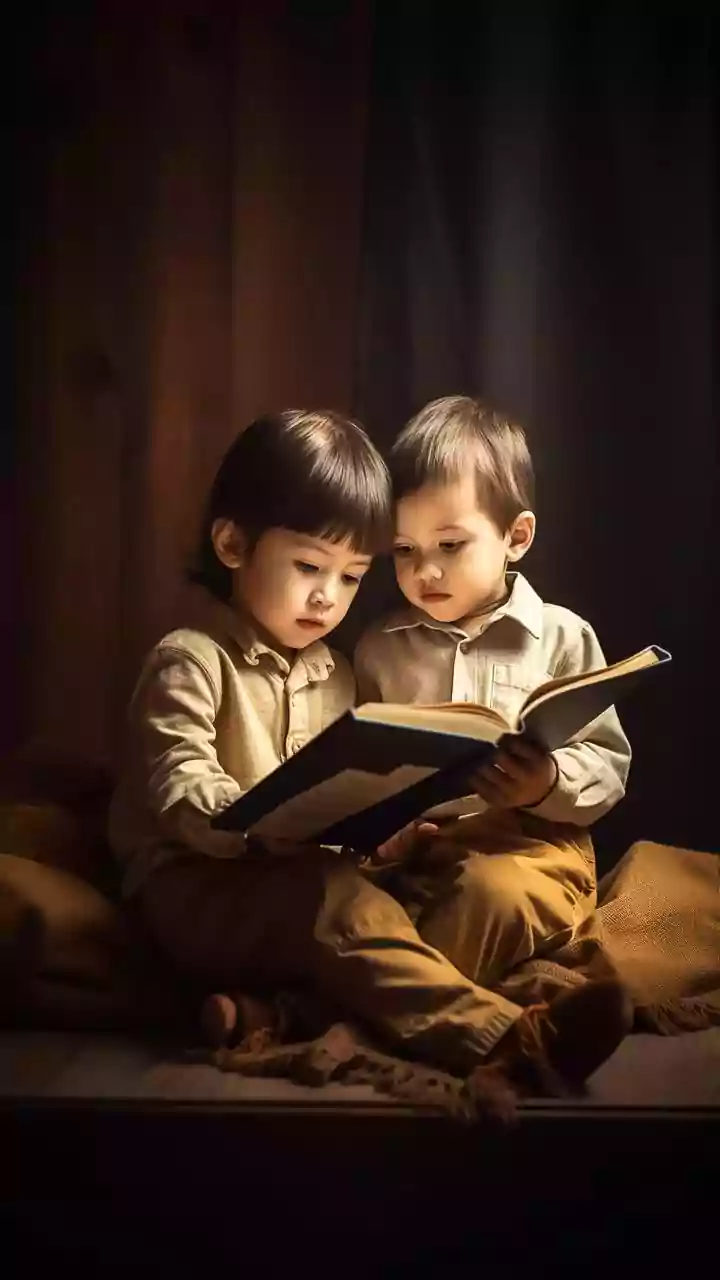
Contrary to adult assumptions, children are remarkably attuned to the emotional undercurrents within their families. Dr. Shankar highlights that even without overt arguments, youngsters can often sense underlying tension, parental detachment, or unspoken issues. Growing up in such an environment can sow seeds of confusion, insecurity, and pervasive anxiety in a child's developing psyche. Furthermore, this exposure can lead them to internalize maladaptive relationship paradigms, such as believing that love necessitates significant personal sacrifice or that expressing one's emotional needs is inappropriate. These learned patterns can profoundly influence their future communication styles, their ability to form healthy attachments, and their overall approach to navigating personal relationships.
Environment Over Structure
From a contemporary mental health standpoint, the quality of a child's immediate environment is deemed more critical than the mere structural configuration of their family unit. Children thrive best in surroundings characterized by emotional stability and mutual respect, irrespective of whether their parents remain together or have decided to part ways. Witnessing a continuously strained or acrimonious parental relationship can inadvertently normalize conflict, foster resentment, and promote emotional withdrawal as acceptable behaviors. Conversely, children raised by parents who, despite separation, maintain emotional health and respectful interactions are more likely to cultivate robust emotional intelligence, establish healthier personal boundaries, and develop a more secure and confident sense of self.