




Introduction to Steaming
Steaming is a time-honored cooking method, especially valued in Indian cuisine for its health benefits. It involves cooking food using steam, preserving
nutrients and natural flavors, unlike frying or baking, which may require extra oil or fat. Steaming, therefore, is an excellent way to prepare light, yet satiating meals that are suitable for daily consumption. This method preserves the natural colors, textures, and tastes of the ingredients, giving dishes that look and taste better, without added complexities. Steaming reduces the need for oil, making it perfect for anyone who wants to follow a healthy diet or wishes to lose weight. This cooking technique is also eco-friendly, as it requires little energy.
Idli: South Indian Staple
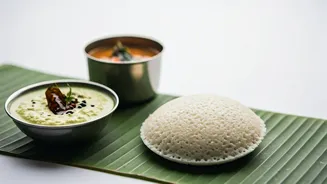
Idli is a universally loved dish, especially in South India, and represents a symbol of cultural pride and culinary expertise. The primary components of idli are fermented batter made from rice and lentils. This batter is steamed to create soft, fluffy, and slightly tangy cakes. The fermentation process gives idli its signature lightness and aids in digestion. Idli is usually paired with sambar (a lentil-based vegetable stew) and coconut chutney, making for a nutritious and tasty breakfast. Preparation time is typically short for this dish, and it is a popular choice for all age groups. It is very versatile. You can add vegetables to the batter, creating a more nutrient-rich meal.
Dhokla: Gujarati Delight
Dhokla, a treasured Gujarati snack and breakfast, is another example of a steamed delicacy, crafted from fermented batter. This batter usually consists of gram flour (besan), yogurt, and spices, which are steamed until light and spongy. Dhokla provides a vibrant balance of flavors: a touch of tanginess from the fermentation, and a slight sweetness and savory notes from the spices. Dhokla is also served with a tadka (tempering) of mustard seeds, curry leaves, and green chilies, further enhancing its flavor. It can be prepared in various forms, like khandvi, and it is frequently garnished with fresh coriander and grated coconut, making for a visually appealing and delicious meal. Dhokla is a nutritious choice, packed with protein from the gram flour, and is a welcome snack at any time of the day.
Modak: Maharashtrian Tradition
Modak, a sweet steamed dumpling, is especially popular in Maharashtra. It is often made during the festival of Ganesh Chaturthi. The outer layer of a modak is made from rice flour, and it is usually stuffed with a mixture of grated coconut and jaggery. The dumplings are steamed until soft and fragrant. The combination of the sweet filling and the soft, chewy exterior makes it a perfect dessert or snack. Modaks also have a cultural significance and are seen as an offering to Lord Ganesha, reinforcing the sense of community. This makes modak more than just a food; it is a symbol of celebration, devotion, and shared experiences.
Puttu: Kerala's Pride
Puttu is a popular breakfast in Kerala, showcasing the simple charm of steamed dishes. It is made from coarsely ground rice flour layered with grated coconut and then steamed in a cylindrical mould. The contrast of the rice flour and coconut creates a fantastic texture. Puttu is typically served with kadala curry (black chickpea curry) or a sweet version with banana and sugar. This pairing accentuates the flavors and textures. Puttu is a filling and nutritious breakfast that is enjoyed across Kerala. It also shows the creativity of Kerala's cuisine by making simple ingredients into something delicious and satisfying. The dish also has different variations and can be adapted to individual preferences.
Tips for Steaming
Mastering the art of steaming allows you to prepare nutritious and flavorful meals. To get the best results, use a steamer with a good fit and ensure proper ventilation so that the steam can circulate freely. The water level in the steamer must always be sufficient to prevent the pot from going dry. The cooking time will depend on the dish and the ingredients. Pay close attention to the cooking instructions and test for doneness by inserting a toothpick into the dish. Do not over-steam, to maintain the desired texture and nutrients of the food. You can also experiment with spices and herbs to elevate the flavor of the dish. Whether you are a beginner or a seasoned cook, understanding the basics of steaming and some creative touches will allow you to make healthy and delicious meals.